




Insurance Accepted

Prosthodontic treatments covered by most insurance plans

Screen Shot 2025 06 16 at 5.00.22 PM 1 -Ocean Breeze
Elevated

Dentistry

in Boynton Beach
Advanced prosthodontic and cosmetic dental care, from routine checkups to complete smile transformations

Welcome to Ocean Breeze

Looking for a dental home where you feel welcome? At Ocean Breeze Prosthodontics, we provide comprehensive care for patients of all needs — from routine cleanings to complete smile transformations. Whether you want to brighten your smile or require advanced restorative work, our experienced team delivers personalized care tailored to your unique goals. Dr. Nicholas Goetz brings over 13 years of experience and advanced training as a Prosthodontist to ensure every patient receives the highest

confident & radiant smile.

6745ab074d5b5d56a0343c0e 673c3b3b1e6ce1ffac01c149 dr goetz 2 scaled 1 -Ocean Breeze

Meet Your Specialist

Dr. Nicholas Goetz

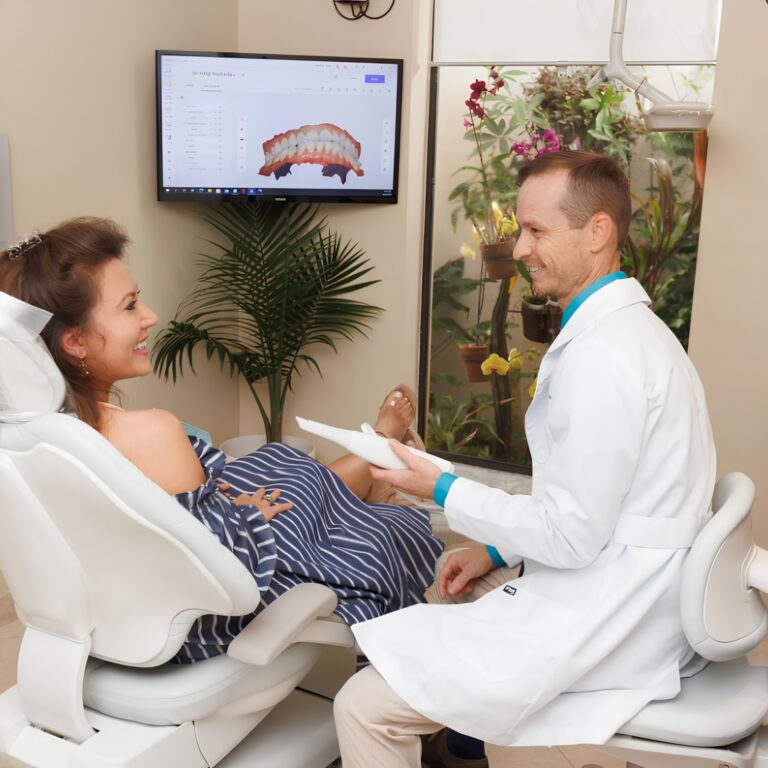
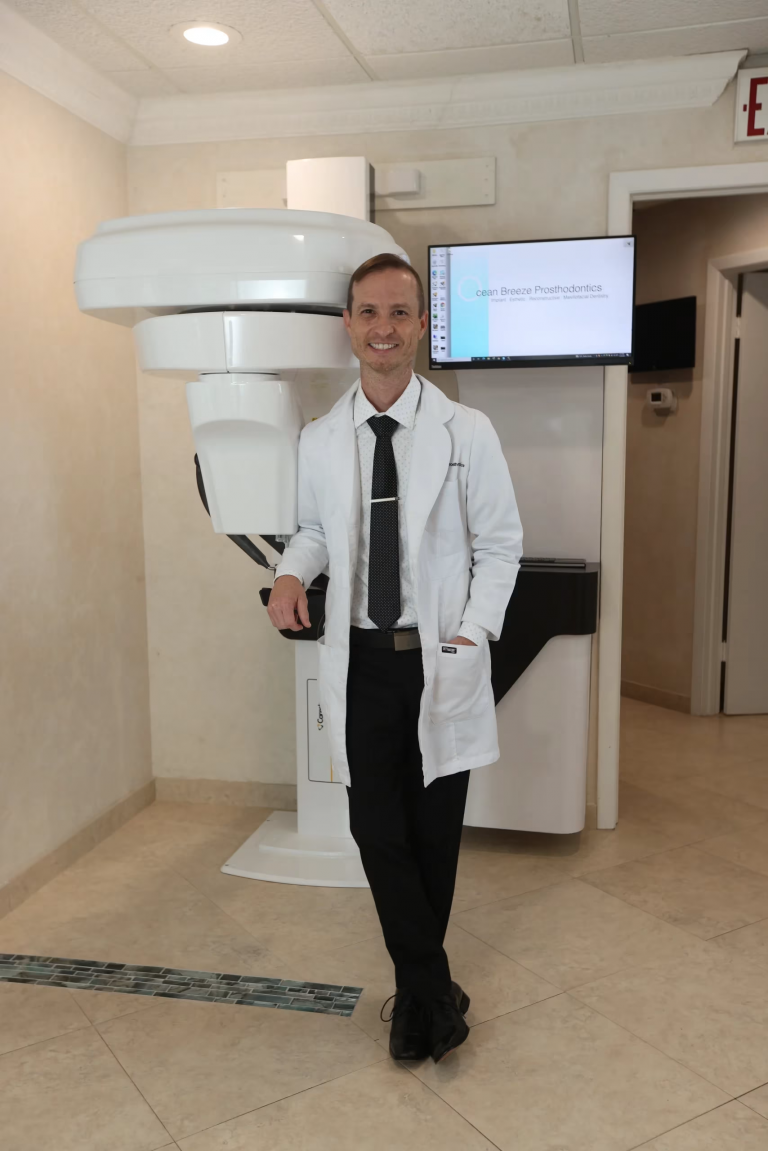
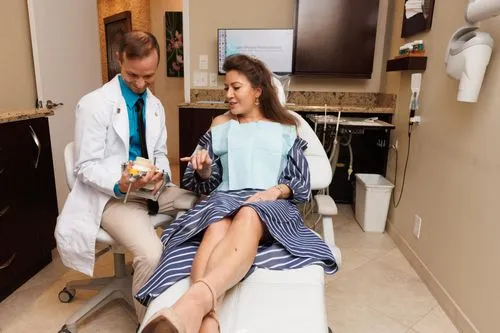
Dr. Nicholas Goetz combines the warmth of a family dentist with the advanced skills of a board-certified Prosthodontist and Maxillofacial Prosthodontist. This unique combination means your family receives gentle, personalized care backed by exceptional clinical expertise.

With over 13 years of experience treating patients of all ages, Dr. Goetz understands that every family member has different needs. His approach focuses on building trust, especially with children and anxious patients, while delivering the highest quality dental care. Whether performing a child’s first cleaning or complex full mouth rehabilitation, Dr. Goetz takes time to listen, explain procedures clearly, and ensure every patient feels comfortable.

His advanced prosthodontic training means even complex cases can be handled in-house, eliminating the need for referrals and keeping your family’s care coordinated and convenient.

Smile Transformations

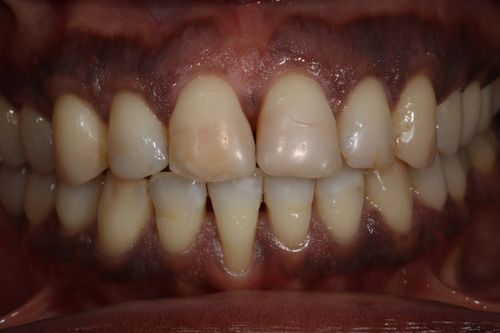
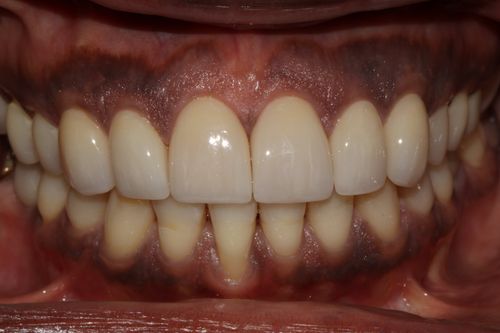
A Confident Smile Changes Your Life

See the difference a beautiful, healthy smile can make. Explore our Smile Gallery for inspiring transformations and real patient results. At Ocean Breeze Prosthodontics, we believe quality dental care should be within reach. That’s why we offer convenient financing through Cherry and Alphaeon Credit, so you can move forward with the treatment you need — without financial stress. Payment options through Cherry Technologies, Inc. are issued by lending partners.
675897b9fe7078b132ce1cc8 Before 2 min p 500 -Ocean Breeze
before
675897b889b17cf0282ee545 After 2 min p 500 -Ocean Breeze
after

Comprehensive Prosthodontic & Cosmetic Dental Services

Replace missing teeth with permanent, natural-looking dental implants. As a prosthodontist, Dr. Goetz has advanced training in implant placement and restoration for predictable, long-lasting results.

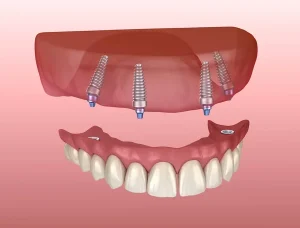
Missing multiple teeth? All-on-X restores a full arch of your smile for results that look and feel natural. This innovative technique uses just a few strategically placed implants to support a full arch of teeth.

Not sure where to start? Full mouth rehabilitation offers a personalized approach to multiple dental concerns using advanced digital technology and a treatment plan that combines procedures. The result? A confident, healthy smile designed just for you.

Regular checkups, cleanings, fluoride treatments, and preventive care keep your smile healthy. We provide gentle, personalized care ensuring every patient feels comfortable and confident at every visit.

Transform your smile with professional teeth whitening, porcelain veneers, and cosmetic bonding. Our aesthetic treatments deliver natural-looking results that enhance your confidence and complement your features.

Dental emergencies don’t wait for convenient times. We offer same-day emergency appointments for tooth pain, broken teeth, and other urgent dental needs. Your family’s comfort is our priority.

Take a look around

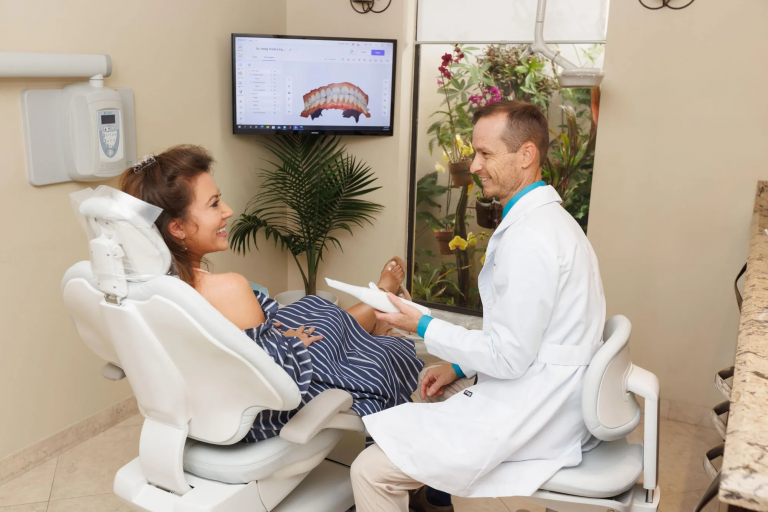
675ab570feca2655ea779b18 9E9A9602 min p 800 -Ocean Breeze
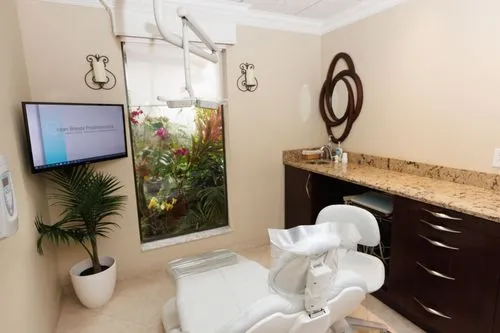
675ab563b6701faf7d87cad1 9E9A9742 min p 500 -Ocean Breeze
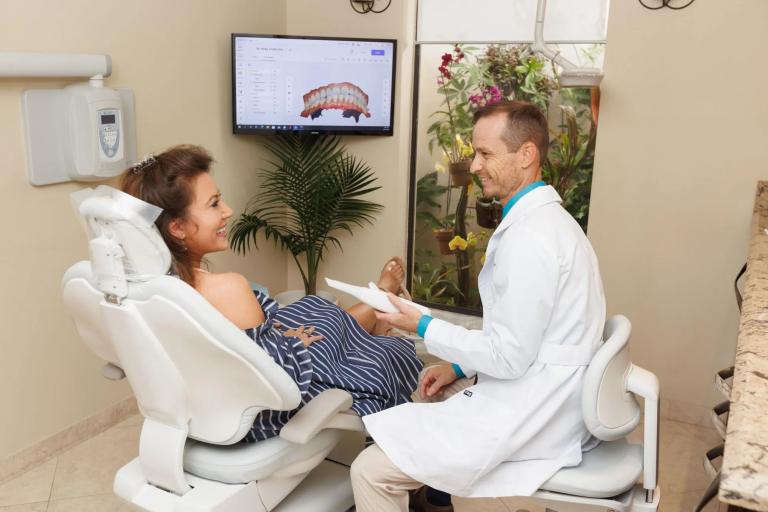
675ab5641abc7ff9ba03f5ed 9E9A9726 min p 2000 -Ocean Breeze
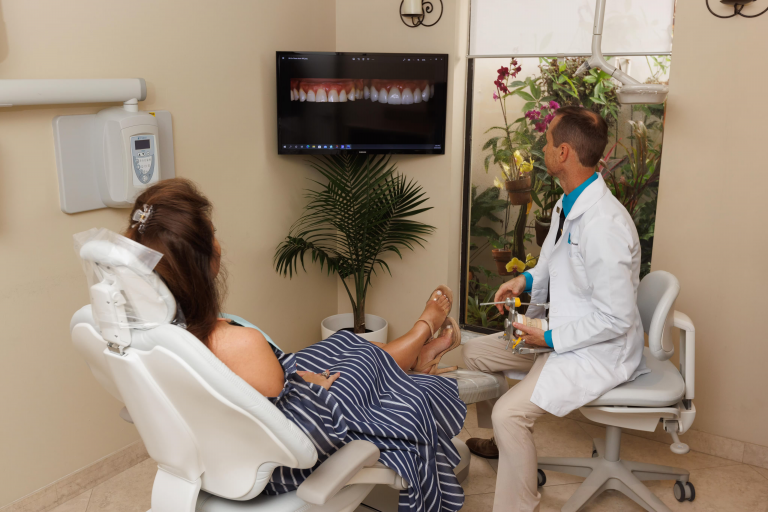
675ab56aa1ce5f029a741a5e 9E9A9644 min p 500 -Ocean Breeze
675ab56cf82e13ca1c2d958e 9E9A9607 1 min p 500 -Ocean Breeze

Ready to

Refer?

We commonly collaborate with other healthcare professionals to offer specialized care for complex dental cases and are committed to providing the best for your patients.

The Ocean Breeze Difference

We combine state-of-the-art technology with a gentle touch to make dental visits easier for the whole family:

Modern Technology

From 3D imaging to minimally invasive techniques, our technology allows us to provide top-tier services with comfort and accuracy.

Full-Service
Dental Solutions

We specialize in complex cases, offering solutions that are both aesthetically pleasing and functionally superior. From implants to full mouth reconstruction, we are here to get you the results you want.

675ab5641abc7ff9ba03f5ed 9E9A9726 min p 2000 1 -Ocean Breeze

Unparalleled Expertise

Dr. Goetz is a Prosthodontist and Maxillofacial Prosthodontist which means you get the highest level of restorative and aesthetic care.

Personalized Approach

You’re invested in your smile and we are invested in you. We truly get to know you, scheduling extra time for appointments so your concerns and questions are addressed with open transparency.

New patients

Join our dental family

Starting with a new dentist can feel overwhelming, especially when you're bringing the whole family. We make the transition easy from day one.

Comprehensive exams for all ages
Digital X-rays & oral cancer screenings
Personalized treatment planning
Insurance verification & financial consultation
Tour of our modern, family-friendly facility

Ready to experience family dentistry at its best?

Families throughout Boynton Beach and Delray Beach choose Ocean Breeze Prosthodontics for gentle, patient-focused care and advanced dental expertise. Dr. Goetz and our team look forward to welcoming your family.

675acb48ae7b2f6106222ff7 9E9A9705 min -Ocean Breeze

Transform Your

Smile,

Transform Your

Life
If you’re ready to reclaim your confidence, we’re here for you.
Get started by booking or calling today.

Conveniently Located for Boynton Beach Patients

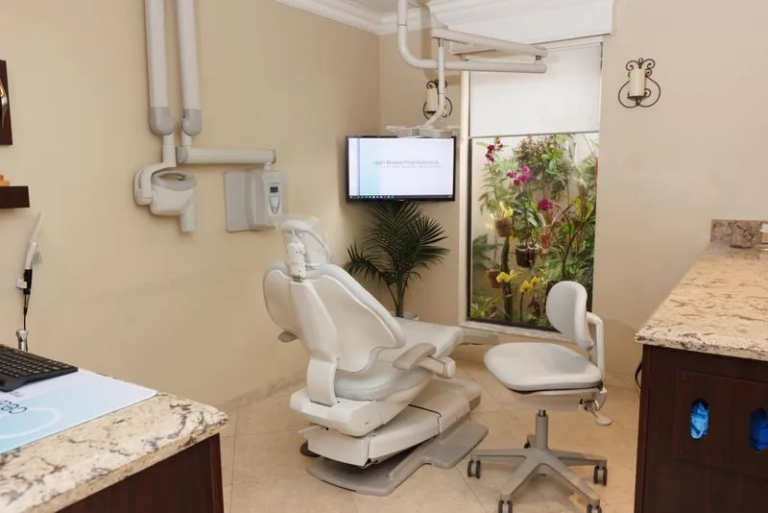
Our modern dental office is conveniently located in Boynton Beach, easily accessible from Delray Beach, Boca Raton, and surrounding communities. With ample parking and a welcoming atmosphere, we’ve created a space where patients of all ages feel comfortable.Our office features:Comfortable waiting areaPrivate treatment rooms with entertainment optionsWheelchair accessibility throughoutCalming decor and natural lightingState-of-the-art sterilization protocols

Frequently Asked Questions

We provide comprehensive prosthodontic services, including consultations, dental crowns, bridges, dentures (both complete and partial), and permanent implant solutions. Our focus is on restoring and replacing damaged or missing teeth to help you achieve optimal oral health and function. During your initial consultation, we’ll assess your specific needs and recommend the most appropriate treatment options for your situation.

We work with various plans that have out of network benefits. Insurance coverage varies by plan and treatment type, so we recommend calling our office to verify your specific benefits before your appointment. Our team can help you understand what your insurance may cover and discuss payment options for any remaining costs.

You can schedule an appointment by calling our office directly. We offer both new patient appointments and follow-up visits. If you need to reschedule an existing appointment, please call us as soon as possible to help us accommodate your needs. We work with patients to find appointment times that fit their schedules.

Your first visit will typically involve a comprehensive consultation where we evaluate your oral health, discuss your concerns, and review your treatment goals. We’ll examine your teeth, gums, and any existing dental work to create a personalized treatment plan. Please bring your insurance information, a list of current medications, and any previous dental records if available.

Treatment costs vary depending on the type and complexity of the procedure needed. We provide detailed cost estimates during your consultation and will discuss all available payment options. We work with various insurance plans and can help you understand your coverage. Our team is committed to making quality prosthodontic care accessible and will work with you to find a payment solution that fits your budget.

Featured Blogs

What does a Prosthodontist do 1 -Ocean Breeze

What Does a Prosthodontist Do? – All You Need to Know in 2025

The American Dental Association recognizes nine dental specialties within the area of dentistry: One of them is prosthodontics. So What Does a Prosthodontist Do?  Here is a brief guide about what prosthodontists do as specialists that restore and replace missing teeth.

According to the ADA’s website, prosthodontics is “the dental specialty pertaining to the diagnosis, treatment planning, rehabilitation and maintenance of the oral function, comfort, appearance and health of patients with clinical conditions associated with missing or deficient teeth and/or oral and maxillofacial tissues using biocompatible substitutes”.

In other words, when we talk about Prosthodontists we refer to an expert who can handle dental treatments involving prostheses or restorations.

This post will help you understand what a Prosthodontist is and when to contact one.

“Prosthodontist”: What Does it Mean?

prosthodontis e1650724246218 300x100 1 -Ocean Breeze

The term “prostho” means replacement and “dontist” means dealing with teeth. Prosthodontists specialize in treating and handling dental and facial problems that involve restoring and replacing missing teeth with artificial devices.

Basically, a Prosthodontist is highly trained in the placement of dental implants, crowns, bridges, dentures, all-on-4 implants, among other treatments.

Prosthodontists also specialize in cosmetic dentistry, which has grown in popularity over the last few years. These specialized dentists have a careful understanding of the dynamics of a smile and the preservation of a healthy mouth.

 What is the Difference Between a General Dentist and a Prosthodontist?

People sometimes are not sure about the difference between a general dentist and a prosthodontist. The truth is, that although a Prosthodontist and a general dentist sometimes perform the same procedures, there is quite a difference in what they can do, as well as their training.

From the get go, the main difference is that prosthodontists have a more advanced professional training, and treat more complex procedures than general dentist. General dentists handle all types of routine dental care and minor dental procedures, like tooth decay, broken or chipped teeth, dental fillings, cleanings general checkups, though they also place crowns, bridges and dentures.

Prosthodontists come in scene when treatments are more complex. Because they have completed dental school and continued studying for at least three additional years of advanced training and education in an ADA-accredited program, prosthodontists looks at the mouth in a more systemic, integrated way. They tend to handle more complax cases. In other words, general dentists tend to refer to prosthodontist cases where they can’t or won’t do.

Bottom line, consulting with and receiving treatment from a Prosthodontist guarantees that you obtain high-quality, efficient treatment that meets your needs and produces long-term solutions for your appearance when you require tooth replacement or oral surgery.

What Does a Prosthodontist Specialize In?

PROSTHODONTIST 768x662 1 -Ocean Breeze

A Prosthodontist is referred to as an “oral architect” . He or she is THE expert when teeth or gums need to be replaced in the mouth.

Prosthodontists are highly skilled in prosthetics and restorations. Their job is to design, manufacture and fit any type of restorative prosthetics for patients with damaged or missing teeth.

Prosthodontic dentistry generally deals with severe dental cases like jaw surgery, partial dentures, full dentures, implants, and more. They also diagnose and treat patients with fillings, dentures, crowns, veneers, implants, bridges, splints, night guards, and cosmetic procedures. Depending on the case, a Prosthodontist can replace or restore a single tooth, multiple teeth, and damaged gum and jaw tissue as well.

Prosthodontists also have the skills necessary to treat sleep apnea, snoring disorders, and cleft palates.

Prosthodontists have the expertise to restore a patient’s mouth in the most functional and aesthetic way. They not only deal with those general routine procedures, but also with more complex restorative procedures such as:

  • dental implants
  • dental crowns
  • bridges
  • full or partial dentures
  • oral surgery (eg. implant surgery)
  • TMJ treatment

What Procedures Does a Prosthodontist Do?

Thanks to Prosthodontists’ specialized training, experience, and equipment, general dentists commonly refer them to patients when they need to replace lost teeth.

Prosthodontists work closely with dental technicians to make sure that each custom-made prosthesis looks good and feels comfortable for the patient.

Some of the Most Common Procedures Performed by Prosthodontists Are:

What does a Prosthodontist do Implants -Ocean Breeze

Implants

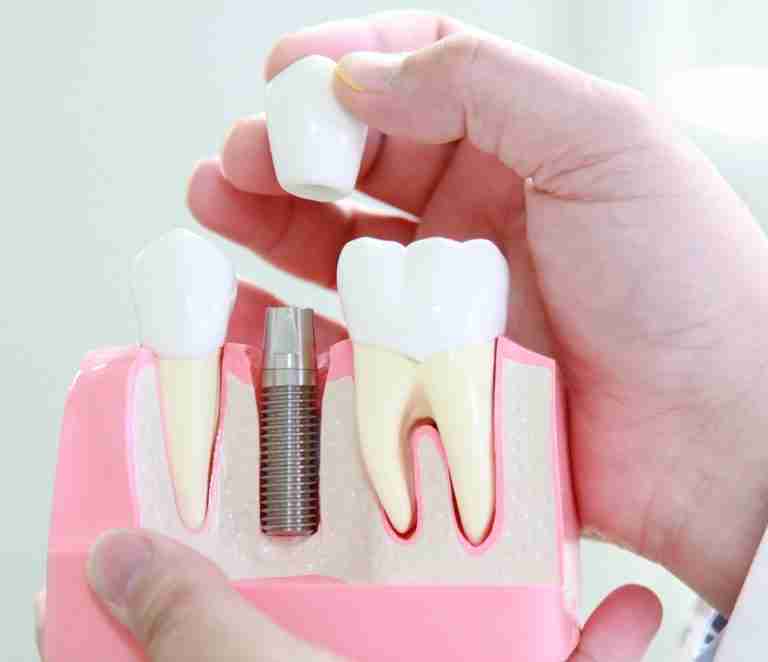
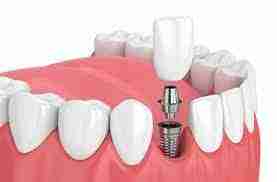
Dental implants: metal posts or frames implanted into your jawbone to allow a crown to fit on this post. The cap placed on the implant will look and function as a natural tooth.

Crowns

Crowns are caps placed on a tooth or implant to look and function as a natural tooth. There are many types of dental crowns according to different needs.

Bridges

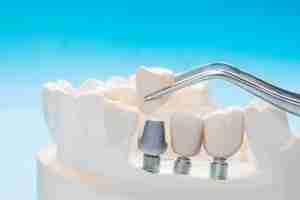
Where there are teeth missing, a bridge can restore and replace those missing teeth. Typically they take the form of crowns on either side of the missing tooth, and they hold the “pontic” (or false) tooth.

Full Mouth Reconstruction

In cases where patients need to reconstruct their smile on a larger scale, many different restorative options are available to fully reconstruct their mouth.

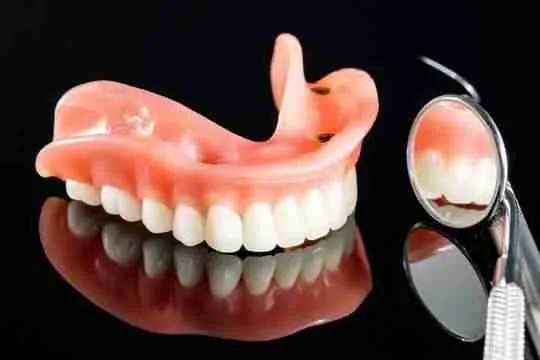
Dentures

Acrylic base prosthesis placed over gums when a full or partial set of teeth are missing. They can be removable or fixed, partial or full.

Veneers

A thin piece of porcelain layer used to provide your mouth with a natural look, and give them strength. Veneers are placed and fixed on the damaged tooth’s enamel.

Jaw Treatment

Treatment of jaw bones and tissues due to TMJ (temporomandibular joint) disorders, or other causes of pain.

Dental Surgery

Dental and Maxillofacial surgeries needed due to birth defects, problems resulting from cancer or traumatic injuries.

What does a Prosthodontist do Maxillofacial 300x200 1 -Ocean Breeze

What is a Maxillofacial Prosthodontist?

According to the American Academy of Maxillofacial Prosthetics, a maxillofacial prosthodontist is a specialist who can treat patients who needrehabilitation of patients with defects or disabilities that were present when born or developed due to disease or trauma.dental problems that concern missing teeth and its surrounding tissues.They also perform treatments that involve a damaged jaw structure.

Prosthodontics vs. Cosmetic Dentistry: What’s the Difference?

A general dentist can easily perform cosmetic treatments to patients who want to improve their smile and oral appearance.

However, cosmetic dentistry isn’t a subspecialty that’s recognized by the ADA. Instead, it’s an approach to treatment that considers both the appearance and function of the dental work you need.

If a dentist wants to carry out cosmetic treatments, they can take training courses on cosmetic dentistry at the American Academy of Cosmetic Dentistry, for example.

Prosthodontists, on the other hand, receive formal training on cosmetic dentistry in their specialization. As a result, they will focus on the “cosmetic” aspect of the treatment, since it is an essential part of their job.

To be more specific, part of their job is that the artificial parts they use, perfectly match with the surrounding oral environment while remaining functional and comfortable.

A good restoration will not only make your teeth function well. It will also make your teeth look perfectly natural in shape, size and color, giving you a perfect smile.

So Prosthodontists can perform general, cosmetic and prosthodontic (restorative/reconstructive) procedures in the most accurate and precise way due to their specialized training.

It’s worth noting that cosmetic dentistry is not a recognized specialty of the American Dental Association. Any licensed dentist can market themselves as a “cosmetic dentist” without completing a formal residency or specialty program. A prosthodontist, by contrast, has completed three or more additional years of ADA-accredited specialty training specifically in the restoration and replacement of teeth, making the credential a meaningful distinction when evaluating providers for complex aesthetic or restorative work.

 When Do you Need a Prosthodontist?

You should have general check-ups at your dental office every six months to keep your mouth and teeth healthy. However, it is crucial that you contact a Prosthodontist when:

  • you have missing teeth, or have suffered tooth loss
  • your damaged teeth need to be replaced
  • You need to restore the root of your missing or damaged teeth with implants
  • you need to maintain or fix prosthetic devices (eg. dentures)
  • You´re having problems with your jaw (TMJ disorders)
  • You want to address sleep or snoring disorders
  • You want to renew your smile, not only to make it more beautiful, but also functional.
  • When you have other complex dental conditions arising from cancer treatments, traumatic injuries or birth defects.

Benefits of Seeing a Prosthodontist

  • A Prosthodontist knows exactly how to deal with the replacement and restoration of missing teeth. They also have the knowledge to make them look perfectly natural.
  • Choosing a Prosthodontist as your dental care provider is a benefit since many Prosthodontists also provide general dentistry services like checkups and cleanings. By selecting one of these doctors as your primary oral healthcare provider, you can be relaxed and sure that you have a solid relationship with a reliable specialist in case you require more advanced services.
  • A Prosthodontist knows exactly how to make your teeth get their usual normal functions. Your teeth not only need to look good, but function well. That’s why aligning the bite is so important, something that usually only prosthodontists can perform.
  • When you entrust your care to someone with advanced training, you increase the likelihood that your treatment will go smoothly and without complications from start to finish.
  • With improved gums, bite and smile, your whole body health (and self-esteem) will benefit. You’ll chew better, enjoy your meals and look amazing.

How to Find the Right Prosthodontist

Now that you know what a prosthodontist does, the next step is knowing what to look for when choosing one. Not all providers are equal, and for complex or long-term dental needs, the decision deserves some care.

Verify credentials and specialty training. Confirm that the provider completed a formal prosthodontic residency at an ADA-accredited institution. Board certification through the American Board of Prosthodontics is an additional signal of clinical rigor. Membership in professional organizations such as the American Dental Association and the American College of Prosthodontists reflects a commitment to staying current with standards in the field.

Read reviews — and ask around. Online reviews can give you a genuine sense of patient experience: how cases were explained, how office staff communicated, and whether patients felt confident in their treatment plans. Word-of-mouth referrals from friends, family, or your general dentist carry even more weight, since they come with firsthand context.

Don’t let insurance narrow the field too much. It’s natural to start your search by looking at in-network providers. But limiting yourself strictly to in-network options can sometimes mean selecting a provider based on a contract rather than on clinical fit. Patients who require complex prosthodontic work — implants, full mouth reconstruction, maxillofacial treatment — often find that the long-term value of the right provider outweighs the short-term savings of staying strictly in-network. Ask prospective offices about their fee structures and payment plans before ruling anyone out.

Ask about the cases they handle most. Prosthodontics covers a wide range of treatment complexity. If you’re dealing with significant tooth loss, bite issues, implant placement, or a full-arch restoration, you want a provider who handles those cases regularly — not occasionally. Don’t hesitate to ask about the types of cases a practice sees most often and whether those align with your needs.

At Ocean Breeze Prosthodontics, Dr. Goetz is both a prosthodontist and a maxillofacial prosthodontist — a distinction that matters for patients with the most complex restorative needs. If you’re ready to find out whether our practice is the right fit for you, we’d welcome the conversation.

As the American College of Prosthodontists puts it: “Everyone can enjoy the confidence, fullness of life, and overall well-being that comes from a healthy mouth and an attractive smile.”

So remember, if you are dealing with major problems such as damaged or missing teeth, you need to restore the function of your mouth or bite or you need any kind of mouth reconstrution, the best option is always to visit our dental practice in Delray Beach. Due to their training and expertise, they are the right specilists who will best deal with your oral care.

dentures 2103 2 -Ocean Breeze

Types of Dentures and Cost: A Complete Guide (2026)

Types of dentures and cost guide 2026 - Ocean Breeze Prosthodontics Boynton Beach

When a dentist recommends dentures, the first questions most people have are straightforward: what types are available, which one is right for me, and what will it cost? Those are the right questions to start with. The answers depend on how many teeth are missing, what your bone structure looks like, and how much stability and permanence you want from the final result.

At Ocean Breeze Implant & Esthetic Dentistry in Boynton Beach, Dr. Nicholas Goetz takes a comprehensive approach to denture planning. As a fellowship-trained maxillofacial prosthodontist — one of approximately 150 in the United States — Dr. Goetz evaluates not just which denture type fits your mouth today, but how your bone structure, bite, and long-term oral health are best protected over time.

How Do I Know If I Need Dentures?

Dentures are typically recommended when a patient has lost multiple teeth — or all teeth — in one or both arches. The diagnostic process begins with a comprehensive exam that includes updated x-rays and an evaluation of remaining teeth, gum tissue, and jaw bone. Signs that may indicate you are a candidate for dentures include significant tooth loss, loose teeth that cannot be saved, severe gum disease affecting multiple teeth, or difficulty chewing and speaking due to missing teeth. Your provider will review all available options, including implant-supported restorations, before recommending a treatment plan.

Types of Dentures: A Complete 2026 Breakdown

Modern dentures range from simple removable plates to implant-anchored permanent restorations. Understanding the differences helps you have a more informed conversation with your prosthodontist and set realistic expectations for cost, comfort, and function.

Full (Complete) Dentures

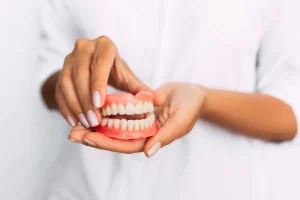
Full dentures replace all of the teeth in the upper or lower arch and rest directly on the gum tissue. They stay in place through suction and, for some patients, denture adhesive. Traditional full dentures are the most accessible starting point from a cost perspective and can restore basic chewing function and facial appearance. Because they rest on tissue rather than bone, however, they transmit only about 20 to 30 percent of natural chewing force — and their fit gradually changes as the jawbone remodels over time, typically requiring relining every one to three years.

Partial Dentures

Partial dentures replace a section of missing teeth when some healthy natural teeth remain. They clip onto adjacent teeth using metal clasps or precision attachments and can be removed for cleaning. Cast-metal partials are the most durable option; flexible nylon partials (such as Valplast) offer a more comfortable, metal-free alternative with a gum-colored base that blends with surrounding tissue. Partial dentures prevent neighboring teeth from shifting into the gap and are generally less expensive than full arch solutions.

Immediate Dentures

Immediate dentures are fabricated before teeth are extracted and placed the same day as the extractions, so the patient is never without teeth during recovery. They serve as an interim solution while gum tissue heals and the jawbone reshapes. Because the bone changes significantly in the months following extraction, immediate dentures require relining after six to twelve months — a cost that should be factored into the overall investment when comparing options.

Implant-Retained Removable Dentures (Snap-In Dentures)

Implant-retained overdentures clip onto two to four dental implants placed in the jawbone, providing dramatically better stability than conventional removable dentures. They can still be removed for cleaning at home, but the implant connection eliminates the slipping and rocking that many conventional denture wearers experience. Because the implants integrate with the jaw bone, this option also helps slow the bone loss that accelerates with traditional removable dentures. Our page on implant-supported dentures covers this option in greater detail.

Fixed Implant Dentures (All-on-4 and Full-Arch Implants)

Fixed implant dentures are permanently anchored to four or more implants and cannot be removed by the patient. They function more like natural teeth than any other denture option, restoring approximately 70 to 90 percent of natural chewing force. Because the prosthesis is screwed directly to the implants, there is no slipping, no adhesive, and no nightly removal required. Our All-on-4 page and our guide to full arch dental implants cover the surgical and restorative process in detail. This option carries the highest upfront cost but typically delivers the longest lifespan and best functional outcome.

Flexible Dentures

Flexible dentures — sometimes called Valplast or nylon dentures — use a thermoplastic base material rather than rigid acrylic. The flexible base conforms more naturally to gum tissue, making them comfortable and well-tolerated by many patients. They are metal-free, which eliminates visible clasps, and are often used for partial dentures covering a limited number of teeth. The tradeoff is that flexible materials can accumulate bacteria more readily than rigid acrylic and may need more frequent professional cleaning.

What Materials Are Dentures Made Of?

The base of a denture — the pink portion that simulates gum tissue — is most commonly fabricated from acrylic resin, though cast-metal frameworks are used in certain partial denture designs. The artificial teeth themselves may be acrylic or porcelain, with porcelain offering better durability and a more natural appearance at a higher cost. Digital manufacturing has significantly advanced the precision of modern dentures: using 3D scanning technology, dentures can be designed and milled from digital data rather than traditional physical impressions, producing a more accurate fit with fewer adjustment visits.

How Much Do Dentures Cost in 2026?

Denture costs vary considerably based on the type, material tier, and whether implant support is involved. The following ranges reflect current 2026 pricing benchmarks from published cost studies and practice data. All pricing is per arch unless otherwise noted.

  • Economy full dentures: $500 – $1,200 per arch — basic acrylic, functional but less refined fit and appearance
  • Standard full dentures: $1,500 – $2,500 per arch — improved materials, better color matching, more precise fit
  • Premium / custom full dentures: $2,000 – $3,600 per arch — most lifelike appearance, custom characterization, often digitally fabricated
  • Partial dentures (resin base): $1,300 – $3,300 per arch
  • Partial dentures (cast metal): $1,700 – $4,200 per arch — more durable framework, better long-term stability
  • Flexible (nylon) partial dentures: $1,000 – $2,500 per arch
  • Immediate dentures: $1,800 – $3,000 per arch, plus $300 – $600 for relining as gums heal
  • Snap-in implant-retained overdentures: $3,000 – $7,300 per arch (denture portion only; implant costs are separate)
  • Fixed All-on-4 implant dentures: $8,000 – $15,000+ per arch — the most comprehensive, longest-lasting solution

These ranges reflect the denture itself. Additional costs — extractions, bone grafting if needed, x-rays, relining, and follow-up adjustments — can add meaningfully to the total depending on the condition of your mouth at the start of treatment.

Does Dental Insurance Cover Dentures?

Most dental PPO plans cover dentures as a major restorative procedure, typically paying 40 to 50 percent of the allowed amount after the deductible. Annual maximums of $1,000 to $2,500 often cap how much the insurance pays in a single year, which can leave a meaningful out-of-pocket balance for more comprehensive options. Implant-supported dentures are frequently subject to separate implant coverage rules, so reviewing your specific plan before treatment is essential.

Original Medicare does not cover dentures, though some Medicare Advantage plans provide partial or full coverage. HSA and FSA funds can be applied to denture expenses as an IRS-eligible medical cost. Our financial information page details the financing and payment options available at Ocean Breeze, and our guide to in-network vs. out-of-network coverage walks through how PPO benefits apply when seeing an out-of-network provider.

Frequently Asked Questions About Dentures

How long does it take to get dentures?

The process from initial consultation to final fitting typically takes four to eight weeks for conventional removable dentures, depending on how many preparatory procedures are needed. Immediate dentures can be placed the same day as extractions, though they will need relining several months later as the gums heal. Implant-supported options involve a longer timeline because the implants require several months to fully integrate with the jawbone before the final prosthesis is attached.

How long do dentures last?

Traditional removable dentures generally last five to eight years with proper care, though the fit will change sooner as the jawbone remodels — typically requiring relining every one to three years. Premium custom dentures with higher-quality materials may last longer before replacement is needed. Implant-supported dentures, because the implants stabilize bone volume, tend to maintain a better fit over a longer period and can last ten or more years with appropriate maintenance.

Will dentures affect how I eat and speak?

There is an adjustment period of two to eight weeks for most new denture wearers. During that time, starting with softer foods cut into smaller pieces is recommended, and some words may feel awkward to pronounce. Most patients adapt well within the first month. Implant-supported dentures significantly reduce the adjustment period because they are stable and do not shift during chewing or speaking.

Are implant-supported dentures worth the additional cost?

For patients who qualify, implant-supported dentures offer meaningful functional and health advantages beyond conventional removable options. They transmit considerably more chewing force, do not slip, and help preserve jawbone density — which conventional dentures cannot do. The higher upfront cost is often offset over time by reduced need for adhesives, relines, and replacements. A thorough evaluation of your bone volume and overall health is needed to determine whether implants are a viable option for your situation.

Can dentures be made to look natural?

Yes. Modern dentures — particularly digitally fabricated premium options — can be made to closely match the appearance of natural teeth in terms of color, shape, and proportion. The quality of the dental lab and the level of customization significantly affect how natural the final result looks. At Ocean Breeze, Dr. Goetz works with high-quality lab partners to achieve results that blend with each patient’s facial features and existing bite.

Schedule Your Denture Consultation in Boynton Beach

The right denture solution is not one-size-fits-all — it depends on your bone structure, your remaining teeth, your functional goals, and your long-term oral health. Dr. Nicholas Goetz has the prosthodontic and maxillofacial training to evaluate all of those factors together and recommend a treatment plan that addresses the full picture, not just the immediate gap.

When you are ready to explore your options, we invite you to contact our Boynton Beach office to schedule a consultation. We will review your imaging, walk you through every option, and help you make a decision that serves your health, function, and confidence for years to come.

Types of Dental Crowns and Cost: A Complete Guide (2026)

Types of dental crowns and cost guide 2026 - Ocean Breeze Prosthodontics Boynton Beach

Choosing the right dental crown can feel overwhelming when you are already dealing with a damaged, decayed, or sensitive tooth. Understanding the types of dental crowns available and what each one costs in 2026 puts you in a much stronger position before you ever sit down in the dental chair. Each material has unique strengths, and the right fit depends on factors like tooth location, your bite force, and your budget.

At Ocean Breeze Implant & Esthetic Dentistry, Dr. Nicholas Goetz brings fellowship-level prosthodontic training to every crown case at our Boynton Beach practice. Whether you are replacing a failing restoration, protecting a tooth after a root canal procedure, or covering a dental implant, the goal is the same: a restoration that performs well and looks completely natural for years to come.

What Is a Dental Crown?

A dental crown is a tooth-shaped cap cemented over a damaged or compromised tooth to restore its shape, strength, and function. Dental crowns are one of the most commonly placed restorations in the United States, addressing problems that range from severe decay to fractures to cosmetic concerns. Because the crown fits over your entire tooth from the gumline upward, it protects the remaining structure while restoring how the tooth looks and bites.

When Do You Need a Dental Crown?

Common reasons a crown may be recommended include a tooth weakened by extensive decay, a cracked or fractured tooth, coverage after a root canal, holding a dental bridge in place, covering a dental implant, or improving the appearance of a severely discolored or misshapen tooth. A thorough exam with updated imaging helps confirm whether a crown is the right approach versus more conservative options like inlays and onlays, which preserve more natural tooth structure when less coverage is needed.

The Main Types of Dental Crowns

There are several crown materials used today, and each one behaves differently in terms of durability, esthetics, and price point. Understanding the differences helps set realistic expectations before treatment begins.

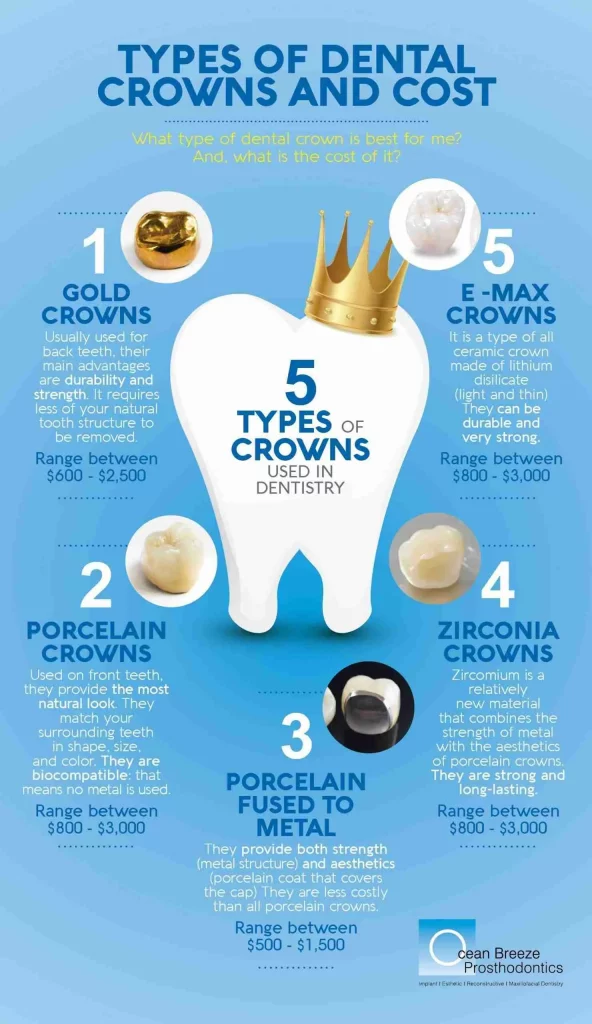
All-Porcelain and All-Ceramic Crowns

All-porcelain and all-ceramic crowns match the natural color and translucency of surrounding teeth, making them the preferred choice for front teeth. They contain no metal, which eliminates any risk of a dark gumline showing over time. They are biocompatible and can be bonded directly to the tooth. The tradeoff is that they are somewhat less resistant to heavy biting force than metal-based materials, so placement on front or mid-arch teeth is ideal.

Zirconia Crowns

Zirconia crowns have become the most widely used crown material in restorative dentistry. Made from zirconium dioxide ceramic, they combine the strength of metal with the aesthetics of porcelain. Zirconia is highly biocompatible, resists chipping, and works well on both front and back teeth. For molars that absorb heavy chewing force, full-contour zirconia is often the most practical long-term choice. Layered zirconia — which adds hand-applied porcelain on the visible surface — is available for patients who prioritize a more natural appearance on front teeth.

E-Max (Lithium Disilicate) Crowns

E-max crowns are a premium all-ceramic option made from lithium disilicate glass ceramic. Their defining characteristic is translucency: light passes through the material in a way that closely mimics natural enamel, making them the most realistic-looking option for a single highly visible front tooth. E-max works well for most single-unit restorations, though it is less ideal for multi-unit bridges or patients who grind heavily, where zirconia’s additional strength is the better structural choice.

Porcelain-Fused-to-Metal (PFM) Crowns

Porcelain-fused-to-metal crowns combine a metal substructure with a porcelain exterior, offering a balance of strength and natural appearance. They have been a reliable standard in restorative dentistry for over 50 years. The main limitation is that as gums naturally recede over time, the metal margin near the gumline can become visible as a thin gray line — a cosmetic concern particularly on front teeth. PFM crowns remain a solid value option for back teeth where visibility is less critical.

Pressed Ceramic Crowns

Pressed ceramic crowns use a hard ceramic inner core — rather than metal — with multiple layers of porcelain applied on top. They mimic the translucency of natural tooth enamel similarly to all-porcelain crowns and can be used on both front and back teeth. Like PFM crowns, the layered porcelain surface carries a small chip risk over time with heavy biting force, which is worth discussing with your provider during case planning.

Gold and Metal Alloy Crowns

Gold crowns are the longest-lasting crown option clinically documented, with performance data extending beyond 30 years in some cases. They require minimal tooth reduction, are gentle on opposing teeth, and virtually never chip or fracture. Gold and base-metal alloy crowns are primarily placed on out-of-sight back molars for patients who prioritize maximum durability over appearance. For patients who grind teeth or have TMJ concerns, gold remains a strong clinical option.

Same-Day Crowns (CAD/CAM or CEREC)

Same-day crowns are milled chairside using computer-aided design and manufacturing technology, allowing placement in a single visit without a temporary crown period. They are typically fabricated from a solid ceramic block. The convenience factor is significant, though same-day crowns may not be appropriate for every case — particularly where precise shade matching across multiple adjacent teeth is critical. Your dentist can advise whether your specific restoration is a good candidate for this approach.

All-Resin Crowns

Resin crowns are generally the most affordable crown option and are most commonly used as temporary crowns while a permanent lab-fabricated restoration is being made. They wear more quickly than ceramic or metal materials and are more prone to fracture under heavy biting force. Permanent resin crowns are occasionally placed as a budget option but typically carry a shorter expected lifespan than other materials.

Dental Crown Cost in 2026: By Material

Crown cost depends primarily on the material chosen. The following ranges reflect current 2026 data compiled from ADA fee reports, FAIR Health, and published practice pricing. These are single-tooth estimates before any preparatory procedures.

  • PFM (porcelain-fused-to-metal): $800 – $2,000 per tooth — the most affordable tooth-colored permanent option
  • All-porcelain / all-ceramic: $1,000 – $2,000 per tooth — popular for front teeth needing excellent color matching
  • Zirconia: $1,200 – $2,500 per tooth — the most versatile all-around option for front and back teeth
  • E-max (lithium disilicate): $1,200 – $2,500 per tooth — premium aesthetics for visible front teeth
  • Gold / metal alloy: $900 – $2,500 per tooth — maximum durability, best for out-of-sight molars
  • Same-day CEREC: $1,000 – $2,000 per tooth — varies by practice technology and complexity

With dental insurance, patients typically pay $500 – $900 out of pocket per crown after the insurer covers approximately 50% of the allowed amount for major restorative work. One crown can consume most or all of a plan’s annual maximum, so confirming your deductible, cap, and waiting period before scheduling is worthwhile.

Additional procedures billed separately — such as a core buildup ($150 – $500), post and core ($250 – $650), or root canal ($700 – $2,100) — are not included in the crown fee itself. Our dental crown cost guide covers the full breakdown of what affects total treatment investment.

Research published in the Journal of Dentistry via PubMed analyzed over 3,400 single-unit crowns and found that properly placed restorations demonstrate strong long-term survival rates — reinforcing the value of quality care and material selection from the start.

How Long Do Dental Crowns Last?

Most permanent crowns last between 10 and 15 years with proper care, and many last significantly longer. Gold and zirconia tend to perform at the top end of that range due to their exceptional resistance to wear and fracture. The factors that most affect crown longevity are oral hygiene practices, whether you grind your teeth, the quality of cement used at placement, and how well the margins were sealed. A nightguard is often recommended for patients who clench or grind to protect the restoration long-term.

What Happens During the Crown Procedure?

Crown placement typically requires two appointments. At the first visit, the tooth is prepared by removing a small layer of enamel to create space for the crown, any decay is addressed, and digital or physical impressions are taken. A temporary crown protects the tooth while the permanent restoration is fabricated at a dental lab — usually two to three weeks. At the second visit, the temporary is removed, the permanent crown’s fit and shade are confirmed, and it is bonded into place with a strong dental cement. Same-day crown cases complete this process in a single visit using chairside milling technology.

Veneers vs. Crowns: Key Differences

Dental veneers cover only the front-facing surface of a tooth and require far less enamel removal than a crown. They are ideal for teeth that are structurally sound but have cosmetic concerns — discoloration, minor chips, or shape irregularities. A crown is the appropriate choice when a tooth has structural damage, has undergone a root canal, or needs full-coverage protection. Our team can review imaging and help determine which approach is better suited to your specific tooth during a consultation.

Insurance, Financing, and In-Network vs. Out-of-Network

Understanding how dental insurance applies to crown treatment is as important as choosing the right material. Our blog on in-network vs. out-of-network dental care walks through how coverage works and what to expect from your out-of-pocket costs depending on your plan type.

At Ocean Breeze Implant & Esthetic Dentistry, we are not in-network with insurance companies, but we file PPO claims on your behalf and assist in securing any reimbursement your plan allows. Financial options are also available to help make treatment more accessible. Visit our financial information page for details on payment options.

Frequently Asked Questions About Dental Crowns

How do I know which crown material is right for my tooth?

The best material depends on where the tooth is located and how much force it handles. For front teeth where appearance is the priority, all-ceramic, E-max, or layered zirconia tend to produce the most natural-looking results. For back molars that absorb heavy chewing force, full-contour zirconia or gold offers greater long-term durability. A thorough exam and imaging allow your prosthodontist to weigh those factors and make a recommendation that fits your specific bite and goals.

Is getting a crown painful?

The procedure itself is performed under local anesthesia, so discomfort during the appointment is minimal and comparable to a standard filling visit. Some mild sensitivity or soreness around the prepared tooth is common in the days following the appointment and typically resolves on its own within a week. If significant discomfort persists, it warrants a follow-up call to your dental team.

How long does a dental crown last?

Most permanent crowns last 10 to 15 years, and many last well beyond that range with proper care. Gold and full-contour zirconia tend to perform at the upper end due to their resistance to fracture and wear. Good oral hygiene, regular professional cleanings, and a nightguard for patients who grind are the main factors that extend crown longevity.

Does dental insurance cover crowns?

Most dental PPO plans classify crowns as a major restorative procedure and cover approximately 50% of the allowed amount after your deductible. Coverage applies when the crown is placed for a functional reason rather than a cosmetic one. Because a single crown can use most of a plan’s annual maximum, reviewing your deductible, benefit cap, and any waiting periods before scheduling is important. Our team files claims on your behalf and helps you understand your expected reimbursement.

What is the difference between a dental crown and a dental cap?

A dental crown and a dental cap are the same restoration — the terms are used interchangeably. Both refer to a custom-made tooth-shaped cover cemented over a prepared tooth to restore its shape, strength, and appearance. The word “cap” is an informal but accurate description of what a crown does: it caps the tooth from the gumline upward.

Can a crown be placed the same day?

In many cases, yes. Practices equipped with CAD/CAM milling technology can design and mill a ceramic crown chairside in a single visit, eliminating the need for a temporary crown and a second appointment. Same-day crowns are a good option for straightforward single-tooth restorations, though they may not be the best choice for every case. Ask during your consultation whether your tooth qualifies for same-day placement.

Schedule a Consultation at Ocean Breeze Implant & Esthetic Dentistry

Knowing the types of dental crowns available and what influences their cost is a strong starting point, but finding the right fit for your specific tooth and goals requires a hands-on evaluation. Dr. Nicholas Goetz completed his dental education, master’s degree, and specialty prosthodontic residency at the University of Florida, followed by a Maxillofacial Prosthodontics Fellowship at UCLA. He is among fewer than 150 maxillofacial prosthodontists in the United States. Learn more about Dr. Goetz and his background.

When you are ready, we invite you to contact our Boynton Beach office to schedule a consultation. We will walk you through your options, review your imaging, and build a restoration plan that fits your priorities — whether that means the most natural-looking result, the longest-lasting material, or a solution that works within your budget.

istockphoto 1331157454 612x612 1 -Ocean Breeze

Types of Dental Implants: A Complete Guide (2025)

Different Types of Dental Implants

Dental Implants have long been a solution to restore missing teeth. There are different types of dental implants that allow you to regain strength and stability in your mouth and teeth. With dental implants you can recover your oral functions and, at the same time, feel confident with a new gorgeous smile.

Dental implants are artificial tooth roots made of titanium, which is a very strong metal placed into the jawbone. The bone and gum tissue will grow around the implant and hold it in place. The top part of the dental implant is usually made to look like a natural tooth, so that other teeth will fit properly next to it.

When your dentist suggests you need implants, the first thing you want to know is what type of dental implants will suit your needs best. And, of course, you need to know what the cost will be.

If you are not sure about the Types of Dental Implants you need, here’s a brief guide to help you understand the different types of dental implants, digital implants and cost.

HOW DO I KNOW IF I NEED DENTAL IMPLANTS?

A general recommendation is to see a specialist, an oral surgeon or a periodontist, when you need dental implants. Why? Because they are highly-trained in the placement of dental implants.

But how do you know if you actually need an implant?

Some warning signs may serve as a predictor that you may need an implant and crown in the near future.

images 8 -Ocean Breeze

 These Signs May Include:

  • Missing teeth
  • Severe pain or toothache
  • A severe infection in one or more teeth
  • Loose teeth, bridge or dentures
  • A badly cracked tooth.
  • Difficulty when chewing or biting

HOW DO I KNOW THE TYPE OF IMPLANT I NEED?

That is something you need to talk with the expert, i.e. your dentist. Your oral condition plays a key role when selecting material and type of implant.

It will all depend on whether you need only one implant, or if what you need is to replace a bridge and replace it with implants, or if you want implant dentures to avoid dealing with loose dentures.

TYPES OF DENTAL IMPLANTS

dental implant 1 -Ocean Breeze

Endosteal Implants

These are the most common types of dental implants. Like a screw, they fit perfectly well on the jawbone. However, your jawbone and gums need to be healthy and in good condition.

Sometimes, a bone graft may be needed to create a healthy and strong foundation for the implant to be successfully placed. Once placed, this type of implant requires less time than other implants for the gums to fuse to the post and create a firm basis.

Sub Periosteal Implants

This is a second option for patients who do not go for the endosteal type. It suits better to some patients with more specific needs.

For patients who do not want (or are not candidates) for the Endosteal type, the sub periosteal implants is an option. These implants fit into the gum; so they are not placed inside the bone, but on top of it. For this type of dental implant the specialist places a metal frame below the gum, where the implant will be adjusted.

Zygomatic Implants

Zygomatic implants are a third option, though they are not the most commonly used in dentistry today.

They are used only in cases where bone augmentation is not possible as it requires a more complex procedure.  Zygomatic implants are not placed in the patient’s jawbone, but on the cheekbone.

Let’s move on to weigh the pros and cons of having an implant placed in your mouth.

ADVANTAGES: 

ADVANTAGES of Dental Implants:

  • They act and look like natural teeth
  • They are highly durable
  • They prevent bone loss and gum disease
  • They provide a healthy basis for adjacent teeth
  • They restore oral functions
  • They will give patients their sense of self-confidence back.

DISADVANTAGES of Dental Implants:

  • They can be costly
  • They require a surgery
  • Implants can take time to fuse into your jawbone
  • They require multiple appointments.
  • Some side effects caused by dental implants may include infection, a long healing period and damage to adjacent teeth.

All-On-Four

all on 4 300x228 1 -Ocean Breeze

All-on 4, as the name goes, is a full set of upper or lower teeth placed on four implants. They are a great option when a set of teeth are missing, and they provide a much more stable restoration than traditional dentures.

One of the main advantages of all-on 4 is that they do not require a lot of bone structure remaining for the implants to be placed correctly. The 45 degree angle of the all-on-4 posterior implants allows a whole set of teeth to be attached to the implant posts.

 ADVANTAGES:

  • You forget about the discomfort of dentures being loose.
  • They hold your jaw and bone structure making your facial features remain in place.
  • They do not need special cleaning other than regular brushing and flossing.
  • They are permanent and durable.

DISADVANTAGES:

  •  The cost of all-on 4 can be higher than other traditional implant methods.
  • They require a surgical procedure
  • They take a longer healing period.
  • You will need multiple appointments.
dental implant cost 300x200 1 -Ocean Breeze

 What is the Cost of Dental Implants?

It is difficult to estimate the cost of your dental implants before you see your dentist. Each patient has different needs, wants, and budget.

The cost will vary depending on the type of implants you need, the number of missing teeth you have, and the whole treatment required for your restorations.

However, the following information can give you a rough idea about implant treatments cost:

  • The initial consultation can run between $100-150, though costs may rise if you need updated x-rays.
  • Your dental professional might also recommend a CT Scan of your jaw, which will help them during the implant placement process. CT Scans can run between $250-500.
  • Bone grafting: If your jaw does not have enough bone to serve as a solid foundation for the implants, then you will need to have a process called “bone graft“. This can have an extra cost in the whole implant process. In general, bone grafting can run between  $400-800.
  • Implant posts can vary in cost depending on whether you need a titanium or zirconia implant. A implant can run between $ 1000-2000.
  • Then there is the Abutment, which can be regular or customized. Depending on which type you and your specialist choose, the abutment can have no cost at all or it can run up to $ 500.
  • Finally you need a crown to be placed on your implant. It is always advisable you see a Prosthodontist for this step of your implant treatment since Prosthodontists are highly trained and specialized in placing dental crowns. There are different types of crowns, but generally you can estimate a crown can run between $1500-2000.

Broadly speaking, a complete implant process can run between $4000-6000. However, implant procedures are complex and they vary from one patient to another. For that reason, costs will vary too. If you have insurance, you will need to check what portion of the treatment they will cover, or even if they cover dental implant treatments at all.

The Bottom Line

The cost of dental implants in Boca Raton can be costly for some patients. It all depends on what you take into account. If we consider that restorations with implants can last a lifetime, then the price for a life-durable treatment may not seem that much.

Generally, cheap treatments mean less durability and more treatments in the future, which implies a higher cost in the long run.

DENTAL IMPLANTS FAQ

Does Insurance Cover Dental Implants?

Depending on the dental insurance you have, and the type of plan, your dental insurance should cover at least some part of your implant treatment. If your plan is full coverage it will probably at least some part of your treatment.

Make sure you get the right information at your insurance company to know how much out of pocket money you will need to spend.

What is the Cost of Implants When Going to an In-Network vs Out-Of-Network Dentist?

The cost of implant treatments will also vary depending on whether you go to an in-network vs an out-of-network dentist. Even if your dental insurance covers 50% of your treatment in both in-network and out-of-network dental offices, in an out-of-network office you will have to pay more out of pocket money.

In-network dental offices are contracted with insurance companies and must abide by a fee schedule. Out-of-network dental offices are not contracted with any insurance company so their fee schedule is not restricted.

However, you shouldn’t make a healthcare decision based solely on out of pocket cost. Usually an out of network office will use the best labs , the best material, the latest state-of-the-art technology and thus will probably provide more effective treatments. So try to find an office with good reviews, and that one that is worth paying for that added peace of mind.

Also, pay attention to practices that try to make up the difference in fees by adding services you might actually not need (for example, charging for unnecessary gum surgery  or tooth extractions).

The best option is always to visit your preferred dentist first. Office staff can always do a complimentary insurance check to find out what your dental insurance will cover.

You may also do some research to make sure your dentist’s fees are within range. But do not forget: don’t just base your oral care decision solely on price. The office staff, the doctor’s expertise and the labs and materials are very important to avoid extra costs in the future.

Types of Implants and Cost: What Should I Consider When Getting an Implant?

Implants are an effective way to restore your smile and your teeth functions. That means your implants will support your new teeth (crowns) now. Certainly, you want to have a long-lasting treatment, done in the most professional and skillful way.

So, try not to opt for the cheapest option first. You need to evaluate all aspects. Think about your particular needs, and the results in the long run. Try to find a professional you feel comfortable with.

You should also check if your dentist works in-network or out-of-network. Remember that quality is the main thing you need to consider when renewing your teeth and smile. Good quality work and restorations will help you achieve an overall improved experience and avoid further costs and problems in the future.

istockphoto 1330075635 170667a -Ocean Breeze

Best Things to Do in Boca Raton, FL (A Brief Guide 2025 Guide)

Every year Boca Raton attracts new residents and tourists who come to enjoy its beaches, lifestyle and various activities. If you are one of the thousands of people who are spending some time in this beautiful sunny city, here’s a brief guide about the best things to do in Boca Raton, Florida.

Known as the City for All Seasons, The Beverly Hills of South Florida, or The Pink City, this place is like heaven. Its year-round sunny weather, luxury style living, and its pastel pink buildings are just some of the reasons why tourists come every year to Boca Raton Beach. Plus, Boca Raton is considered one of the safest cities in Palm Beach County, with a crime rate nearly 40% below the rest of the cities in Fl.

Things to Do in Boca Raton

Beaches in Boca Raton

In Boca Raton you will find some of the best beaches in the whole state of Florida. Soft white sand and blue waters make this place a perfect spot to enjoy a peaceful time by the seaside. There are several beaches located near Boca Raton that are absolutely worth visiting. Some beaches are among the best areas to relax and enjoy some family time surrounded by nature:

  • South Beach Park: A very peaceful place to enjoy the ocean waves and relax. This beach has an easy access and there’s plenty of place for you to park your car. Plus, the toilets are clean and big.
  • South Inlet Park Beach: A beautiful and calm beach to spend the day. Many vvisitirs also choose this place for its service and parking options. Surrounded by natural shruberry vegetation, this is a pretty and spaciuos beach to visit.
  • Boca Raton Beach and Ocean: You will find everything beautiful at this place. You can go to spend the day and ejoy the pool, the bar and the pool. Food and drinks are great and will make you enjoy even more its beautiful scenery.

Parks and Natural Beauty

download 1 1 -Ocean Breeze

Boca Raton offers lots of fun places to visit. Its famous parks spread across Boca, offering different attractions and choices for everyone. Some of the parks are nature and recreation areas, while others are shopping malls. Here are some of them:

Sugar Sand Park

The park is a great choice for children who will love the playground, the water park, the magical carousel, or the interactive Children’s Science Explorium. Adults can enjoy the indoor gym, or practice some sports like baseball, softball or hockey. Perfect to be in touch with nature!

Red Reef Park

If you love water, sealife, nature and excitement, this is another place to visit in Boca Raton. Red Reef Park is easy to get to, family friendly and full of amazing activities. Check everything you can do! From snorkeling to playing golf in the Red Reef Executive Golf Course, you will simply love this site.

Mizner Park

A shopping, residential, and entertainment district full of high-end shops and restaurants. There are several places to visit here such as the Cultural Arts Center and Boca Raton Museum of Art, the Amphitheater and the different boutiques and restaurants to suit all tastes.

Gumbo -Ocean Breeze

Quick Day Trips

There are a few side trips from Boca Raton that you can take to enrich your time spent there. Some of these side trips include visiting nature preserves, museums, and airboat rides. Each of these side trips offers different attractions and activities which will add value to your trip.

Some of the best side trips include:

Gumbo Limbo Nature Center in Florida

A cooperative project in the city where visitors can enjoy natural trails, admire the animal and sea species the Centre includes. Probably the most interesting area is the Sea Turtle rehabilitation area.

Augustine Daytona Beach

A place to enjoy some of the most incredible and unique beaches in South Florida. You can enjoy buying fresh food at the Farmer’s Market, or take some of the cultural tours that this place offers. With plenty of bars and restaurants, you will love spending your day at Auguistine Beach.

Orange City in The Palm Beaches

A very popular destination among tourists, this place offers several nice visits such as the Blue Spring State Park, Veteran Memorial Park Splash Pad, and Thursby House.

Naples

The beaches and the sightseeing tours make Naples a wonderful place to visit if you’re in the area of Boca. You can take cruises, go fishing, play golf and take the most amazing tours to appreciate the wild life.

Boca Raton: Where to Eat Out

City Fish Market

Restaurants 300x200 1 -Ocean Breeze

If you like seafood, then you have to visit this casual, but luxurious restaurant. City Fish Market is a relaxing, waterfront spot in Boca Raton. It is the perfect place to have dinner with a breathtaking view overlooking the pristine lake.

Max´s Grille

Known for its simple, California-style cuisine. You can eat crab-crusted local snapper and maple-bourbon glazed baby back ribs. Located in Mizner Park, this longtime restaurant is a favorite!

Kapow

At Kapow, you will be able to enjoy some of the best Southeast Asian Food in Florida. The atmosphere, the place, the service, the food: they all combine together and offer the best dining experience during your stay in Boca. This restaurant is open seven days a week and you can make online orders from the comfort of your home, too.

Other Places to Visit Near Boca Raton

Once you have toured around Boca Raton, there are still other fun and interesting options just some miles apart. Here are some suggestions of places to visit near Boca:

Downtown Delray Beach

If you are staying in Boca Raton, you can’t miss the chance to visit the award winning beach for being the best for swimming in the southeast United States. Just 6 miles from Boca Raton, you can enjoy fun beach time at the crystal clear waters of the Atlantic Ocean.

Delray Beach Golf Club

Those who love golf, can practice in any of Boca Raton’s golf courses such as Osprey Point Golf Course, or use this as an excuse and visit Delray to take a few swings at Delray Beach Golf Club, one of the top ten courses in the country!

Jupiter Inlet Lighthouse

The Jupiter Inlet Lighthouse is one of the most fascinating historic lighthouses on Florida’s East Coast.

You will be able to have a wonderful look at the Jupiter Inlet with boats of all sizes coming and going and also to climb the 105 steps for a spectacular sunset.

Schoolhouse Children’s Museum and Learning Center

For those traveling to the Sunshine State with children, The Schoolhouse Children’s Museum and Learning Center is a must.

Just 16 minutes north of Boca Raton, in Boynton Beach, you can find a place where children can touch and interact with the exhibits in a hands-on environment.

Hidden Gems of Boca Raton

The Boca Express Train Museum is situated inside an old train depot. The 1930 FEC train depot has been put to full use here and stands inside the Old Town Hall area for the visitors. You are going to be exploring the museum on a train itself!

Boca Raton Museum (Minzer Park)

Quick Facts About Boca

Location

Located in Southeast Florida, 7 miles south from Delray Beach and 42 miles north of Miami, Boca Raton has a privileged central location. From Boca, it will just take you about 20 minutes to drive to Fort Lauderdale, about 45 to reach Miami and probably an hour and a half to get to the magical city of Naples.

Weather

The weather in Boca Raton, Fl. is perfect during the year. Its warm tropical climate makes it a warm place, with temperatures that, even during the coldest months, never get below 46 degrees Fahrenheit.

During the hottest months, from June to September, you can expect temperatures between 60 and 80 degrees Fahrenheit. As with any other coastal city, you can expect some heavy storms and hurricanes from June to November.

History

Boca Raton is a culturally rich region that became a city in 1957. The first settlers were registered around 1895 when Henry Flager’s Florida East Coast Railway arrived in Boca Raton and later Miami, opening South Florida to development. The city’s name comes from boca de ratones, a Spanish term that means “rat’s mouth” and referred to hidden sharp-pointed rocks that gnawed ships’ cables.

Where to Stay in Boca Raton

If you’re looking for the offbeat, less touristy stuff, Boca Raton is a great place to visit! There are a variety of places to stay in Boca Raton, including resorts and chain hotels as well as rental properties and apartments.

Some great places to stay in Boca Raton include The Boca Raton Resort and Clubthe Boca Beach Club, the Wyndham Boca Raton, and the Four Seasons Hotel. For a longer stay, you may consider renting an apartment near the city’s downtown.

All in all, If you are traveling around or moving to Florida, don’t miss the chance. Boca Raton will be waiting for you!

Get In Touch

Request an Appointment

**Requested time is not final until you receive confirmation from our office. Please do not submit any Protected Health Information (PHI).

"*" indicates required fields

This field is for validation purposes and should be left unchanged.
Are you a New or Existing Patient?
AM/PM