
Prosthodontic treatments covered by most insurance plans
Se Habla Español | Falamos Português
Losing teeth changes more than your appearance. It affects how you eat, how you speak, and how you feel in everyday social situations. Dentures and partial dentures in Boynton Beach offer a reliable, non-surgical way to restore a full set of teeth, and when they are designed by a maxillofacial prosthodontist rather than a general dentist, the fit, function, and longevity of the result are meaningfully better.
At Ocean Breeze Implant Aesthetic Dentistry, Dr. Nicholas Goetz is one of approximately 150 maxillofacial prosthodontists in the United States. His specialty is the restoration and replacement of teeth at the most complex levels, which means every denture and partial he designs is built around your specific anatomy, bite relationship, and facial structure, not a one-size-fits-all template.

Most dentures are made by general dentists following a standard impression-and-fabrication process. The result is functional, but the nuances, how the denture relates to the bite, how it distributes chewing forces, how it accounts for changes in the jaw over time, often go unaddressed. That is where prosthodontic training changes the outcome.
Prosthodontics is the only dental specialty entirely dedicated to restoring and replacing teeth. Dr. Goetz evaluates each patient’s jaw relationship, facial support, and residual ridge anatomy before designing any removable prosthetic. That evaluation determines the vertical dimension of the denture, how the teeth are arranged to support the face, and how the denture base is shaped to maximize retention, all factors that determine whether a denture feels comfortable and stays in place or causes the chronic soreness and instability many patients associate with the experience.
Every patient’s situation is different, and the right denture solution depends on how many teeth remain, the condition of the supporting bone and gums, and your goals for function and appearance. Dr. Goetz reviews all of these factors before making a recommendation.
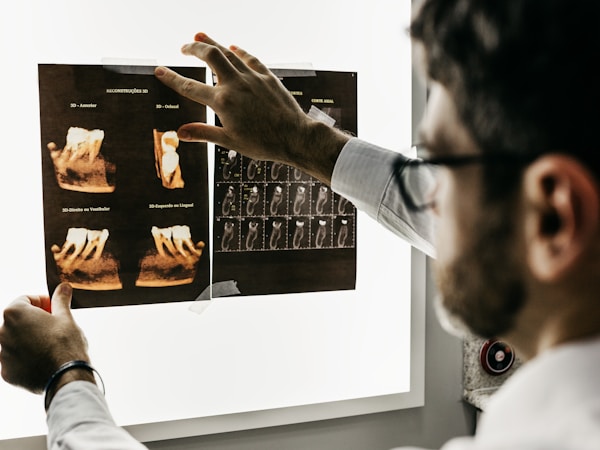
Many Boynton Beach patients are unsure whether dentures or partials are the right solution for them. A consultation with Dr. Goetz is the most reliable way to find out, but several signs consistently point toward denture candidacy. Any one of the following may indicate that a removable prosthetic, or an implant-supported alternative, is worth exploring.
Patients who are missing several teeth in one arch, or who have teeth too decayed or damaged to save, are typically strong candidates for dentures or partials. Left untreated, gaps from missing teeth cause the remaining teeth to shift, the jawbone to resorb, and the facial structure to change. A well-fitted prosthetic stops that process and restores normal function.
Patients who already wear dentures but experience chronic slipping, soreness, or instability often come to Ocean Breeze because their existing prosthetic was not designed with enough precision. As the jawbone changes shape over time, a natural consequence of tooth loss, dentures that once fit well can become loose. Dr. Goetz offers relines and replacement dentures built to the current anatomy, as well as an implant-supported upgrade path for patients who want a permanent solution to instability.
When missing teeth make it painful or awkward to eat certain foods, or when speech has changed because of gaps in the dental arch, a denture or partial can restore normal function relatively quickly. The transition period for adapting to a new prosthetic is real, but most patients find that a well-fitted denture from a prosthodontist is significantly easier to adjust to than poorly fitted alternatives.
Patients who want the benefits of a removable denture but need far more stability than a traditional prosthetic provides are strong candidates for implant-supported dentures. A small number of implants anchor the denture securely, eliminating slippage during meals and conversation while still allowing removal for cleaning. Because Dr. Goetz plans both the surgical and prosthetic components, the transition from traditional denture to implant-supported system is coordinated seamlessly at Ocean Breeze.
A complete denture replaces an entire arch of teeth, all upper teeth, all lower teeth, or both, when no natural teeth remain in that arch. It rests on the gum ridge and, for upper dentures, uses suction against the palate to stay in place. Lower complete dentures are inherently less stable because the tongue and floor-of-mouth musculature constantly displace them, which is why many patients with lower complete dentures benefit significantly from implant retention.
A conventional complete denture is fabricated after all remaining teeth have been extracted and the gum tissue has fully healed, typically eight to twelve weeks after extraction. Because healing is complete before impressions are taken, the fit is highly accurate from delivery. This is the most common approach for patients who are not in a hurry or who have already had their teeth extracted and are ready for a final prosthesis.
An immediate denture is fabricated before extractions and inserted the same day the remaining teeth are removed, so the patient is never without teeth during the healing period. The trade-off is that immediate dentures require relining or replacement once the tissue has fully healed and contracted, since the impressions were taken before the extractions changed the ridge shape. Dr. Goetz discusses whether immediate or conventional timing is appropriate based on each patient’s situation, timeline, and preferences.
For patients who want complete denture coverage but need more stability than a traditional removable prosthesis provides, two to four strategically placed implants can anchor the denture against displacement. The denture snaps onto the implants at attachment points and can still be removed for cleaning, but it does not rely on suction or adhesive to stay in place. Implant-retained complete dentures are particularly beneficial for lower arch cases, where conventional dentures have the most difficulty staying stable during eating and speaking. See our implant-supported dentures page for more detail on this option.
As the jawbone resorbs over years following tooth loss, the ridge that supports a denture gradually changes shape, and a denture that fit well at delivery will eventually become loose, unstable, or irritating. Relining adds new acrylic material to the tissue surface of the existing denture to restore the fit without fabricating an entirely new prosthesis. Dr. Goetz evaluates fit at regular monitoring appointments and recommends relining before the fit deteriorates enough to cause significant sore spots or bone pressure. Dentures that are cracked, chipped, or have broken teeth can also be repaired rather than replaced in many cases.

Dr. Nicholas Goetz is a Florida native who completed his dental training at the University of Florida before earning a Maxillofacial Prosthodontics Fellowship at UCLA, one of the most advanced credentials available in restorative dentistry. He then served as a civilian maxillofacial prosthodontist for the U.S. Army and the VA Medical Hospital, treating patients with complex rehabilitation needs resulting from trauma and illness. He brings that same precision and depth to every denture and partial case at Ocean Breeze Implant Aesthetic Dentistry in Boynton Beach, making him one of approximately 150 practitioners in the United States with this level of training.
Dr. Goetz begins with a full examination of your teeth, gums, bone structure, and bite. For patients considering implant-supported dentures, a CBCT scan provides three-dimensional bone data. This evaluation shapes the entire prosthetic design, including vertical dimension, tooth arrangement, and base contouring, before any impressions are taken.
Precise impressions capture the shape of your ridges and any remaining teeth. A wax try-in appointment lets you preview the tooth arrangement, bite height, and overall appearance before the final prosthetic is fabricated. Adjustments are made at the try-in stage, before anything is permanently processed, giving you direct input into the final result.
When the finished denture or partial arrives from the laboratory, Dr. Goetz seats it and makes any necessary bite or fit adjustments before you leave. Follow-up appointments are included to address any soreness or minor fit issues as your mouth adapts to the new prosthetic, a normal part of the adjustment period that we plan for from the start.
Dentures and partials typically need periodic relines or adjustments every few years as the underlying bone and gum tissue change shape. Dr. Goetz monitors fit at regular checkup appointments and recommends relines or replacements based on how the prosthetic is performing. Patients who keep up with routine maintenance consistently get more years out of their dentures than those who don’t.
Dentures and partials are among the more accessible tooth replacement options available, and Ocean Breeze Implant Aesthetic Dentistry offers flexible financing to help manage the cost. While we are not in-network with insurance companies, we file claims on your behalf and help you maximize any reimbursement your PPO plan allows for removable prosthetics.

Browse real results from denture and partial denture cases performed at Ocean Breeze Implant Aesthetic Dentistry.

With proper care, dentures typically last 5 to 10 years before needing replacement. However, the fit usually needs adjustment sooner, often within 2 to 3 years, as the jawbone changes shape over time. Regular checkup appointments allow Dr. Goetz to monitor fit and recommend relines or replacements before discomfort or instability becomes significant.
Yes, most patients adapt to eating with dentures within a few weeks. Start with soft foods and gradually work up to harder foods as your mouth adjusts. Implant-supported dentures offer significantly more stability during chewing for patients who want fewer dietary restrictions.
A full denture replaces an entire arch of teeth, all upper or all lower, when no natural teeth remain. A partial denture replaces several missing teeth while anchoring to remaining healthy teeth in the arch. Partials are custom-designed to clip around existing teeth securely and fill the gaps without requiring surgery.
Coverage varies by plan. While we are not in-network with insurance companies, we file claims on your behalf and help you maximize any reimbursement your PPO allows. Many plans offer partial coverage for complete and partial dentures, though waiting periods and coverage percentages vary. Our team reviews your benefits before treatment begins so there are no surprises.
Implant-supported dentures attach to dental implants placed in the jawbone, giving the denture a secure anchor point instead of relying on suction or adhesive. They are significantly more stable during eating and speaking, and they help slow the jawbone resorption that occurs with traditional dentures. For eligible patients, they are often the better long-term solution, and because Dr. Goetz handles both the surgical planning and the prosthetic design, the process is coordinated entirely at Ocean Breeze.
Whether you need a full set of dentures, a partial to fill several gaps, or an implant-supported solution for lasting stability, Ocean Breeze Implant Aesthetic Dentistry offers a level of prosthetic expertise that general dentists simply cannot match. Dr. Nicholas Goetz is one of approximately 150 maxillofacial prosthodontists in the United States, his fellowship-level training means your denture is designed with the same clinical precision applied to the most complex rehabilitation cases.
Schedule your consultation today by completing our contact form or calling our Boynton Beach office at (561) 265-1998.
Se Habla Español · Falamos Português
**Requested time is not final until you receive confirmation from our office. Please do not submit any Protected Health Information (PHI).
"*" indicates required fields