675acf91bad034d5383d6e6c 9E9A9709 min -Ocean Breeze

Blog

Stay informed and take care of your dental health with our informative blog articles.

Discover the Latest Blogs

Stay informed with our informative and engaging blog posts.

Bruxism 600x356 1 -Ocean Breeze

This is How Sleep Apnea and Grinding Your Teeth Are Connected

Sleep Apnea: A Personal Story

My name is Amanda and I have sleep apnea. During a recent sleep apnea study, I found out I suffer from another condition: bruxism or grinding of my teeth. For those of you who don’t know, bruxism is the result of parafunctional activities that primarily occur during our sleep. As a result, most of us (including myself) tend to be surprised when we hear this diagnosis since we probably never realized it was happening in the first place.

The effects of bruxism on teeth can translate into signs you shouldn’t ignore, such as excessive tooth wear, high sensitivity to cold, headaches, neck and back soreness, tired jaw, and locking jaw for some more severe cases. Bruxism can also be responsible for teeth misalignment, loss of tooth enamel and tooth decay.

As I said, my sleep study helped me realize the connection that exists between my grinding and my sleeping patterns. Unfortunately, I’m not the only one.  In fact, one in four people that have sleep apnea grind their teeth at night, and men are more likely to be affected.

What I Learned From My Own Sleep Study

Every time my airways were obstructed, my body’s natural defense mechanism kicked in and I started grinding my teeth. No matter what position I was sleeping in: left side, right side, back, I was grinding my teeth to help open my airway. This was causing me to gasp a little and go back to breathing normally. It made me move around each time it happened, resulting in what I called a very scattered night sleep.

sleep apnea 1 -Ocean Breeze

Now, it is important to note that not all bruxers (people affected by bruxism) have sleep apnea and not all sleep apnea patients grind their teeth.

What Are the Risks of Leaving Sleep Apnea Undiagnosed or Untreated?

I want to encourage everyone to take a night study and rule out any potential risks of being undiagnosed, because sleep apnea can be a deadly disease. Sleep apnea is rarely a direct cause of death, but it can lead to a wide range of other potentially fatal health problems. In fact, the death of Star Wars’s star Carrie Fisher was associated to sleep apnea.

The bottom line is that this simple night study can end up helping not only your teeth but your overall health. Nowadays, many dentists are able to diagnose this sleep condition at a fraction of the cost of sleep study centers. So if you snore at night, suffer from sleep deprivation or feel that you grind your teeth during your sleep, you should probably get that sleep study going.

If you want to learn more about it, feel free to email or call Ocean Breeze Implant & Esthetic Dentistry at

Email: info@drsrohrer.com

Phone: (561) 265-1998

searching for a dentist -Ocean Breeze

How to Find an Affordable Dentist and Not Die in the Process

For many, finding an experienced and affordable dentist can be definitely not that easy.

Some people decidedly go for cheap dentistry, only to find that it becomes awfully costly in the long run (Does “cheap can be expensive” ring any bells?). On the other hand, some people keep dreaming about top quality dentistry but fail to phone the dental office because they feel everything will be financially out of reach.

Yet, it is possible to find a good dentist that meets your needs, and at the same time fits your budget. Here are a few tips you can follow to find an affordable dentist:

Find affordable, trustworthy dentists with financing options

affordable dentist delray beach 1 300x169 1 -Ocean Breeze

You should not choose your dentist on the basis of money alone. Remember that price is not the only variant when valuing dental practices. Leaving your oral health and aesthetics in the hands of an inexperienced dentist is definitely not a good choice (even if fees seem tempting). When looking for an affordable dentist, it is better to look for a professional you can trust, and then consult about financing options. Probably, your dentist can consider in-office payment plans or even discounts for paying in cash or check.  Good dentistry equals affordable dentistry when the aim is to keep your mouth healthy in the long run.

Don’t be afraid to ask questions to your affordable dentist

hitech 300x220 1 -Ocean Breeze

Suppose you have found the dentist you were looking for. You may want to do some research and check if fees are within the local market rates. Yet, you may feel your choice has been too expensive and you don’t really understand why. Don’t be afraid to ask questions about the difference in fees. Prices in dentistry may vary depending on the labs your dentist works with, and the technology and type of materials used for different treatments.

Find Out About the Benefits of Your Dental Insurance

download -Ocean Breeze

Generally, most dentists accept dental insurance.  Although there are differences in how each office works, (some dentists are in-network providers, while others work out-of-network) you should stay informed about the benefits of your dental plan. For example, if your insurance (usually a PPO plan) lets you visit an out-of-network provider, you can get top quality treatments at the office of your choice and then get reimbursed directly to your home. That way, your treatment can be more affordable and you make sure you are taking good care of your mouth and teeth by going to a dentist of your choice.

Affordable Dentist: Find Out About Patient Financing Plans

affordable dentist delray beach -Ocean Breeze

When looking for an affordable dentist, you may ask if the office works with plans such as CareCredit.  CareCredit is a kind of credit card which allows you to pay for health and wellness treatments in monthly payments.  It gives you the chance to pay for out-of-pocket costs that your insurance does not cover. Payments for different treatments can extend anywhere between 3 to 60 months and you can apply for this kind of card online. This healthcare financing may be a good alternative to make high-quality dentistry more affordable.

Word-of-Mouth and Referrals

word of mouth referrals for dental practices 300x225 1 -Ocean Breeze

Once you have found someone you trust, you may want to refer your dentist to a friend, co-worker o family member. Particularly in dentistry, people follow recommendations from those who they know directly. And because word-of-mouth is known to be the most reliable source to promote their practice, dentists usually offer special discounts to patients who make referrals. Therefore, if you feel happy with your dentist, spread the word. Ask your dental office about referral discounts or referral programs. For example, our office provides a $75 credit to patients that refer other patients, including family. By recommending your dentist, you can make your own future visits more affordable.

Affordable Dentist: Focus on Prevention to Save Money

Pediatric Dental Assistant School Brushing Teeth With Child 300x221 1 -Ocean Breeze

Preventive care and timely treatments will greatly reduce dental care costs in the future.  This means: brush and floss daily, visit your dentist at least twice a year for regular checkups and cleanings, pay attention to your gums and be alert if you grind your teeth at night. Also, if you need some dental work done, have it done right away. Don’t wait too long to consult for a damaged tooth or for a filling that falls out. Keep your mouth healthy and you will save your teeth and your money!

The key to affordable dentistry is to consider the value of your oral health. Think of how your oral health connects to your body health, and fancy the comfort of a pleasant smile. Choices on an affordable dentistry should be based on well-informed decisions.

If you want to learn more about ways to keep dentistry more affordable, feel free to email or call Ocean Breeze at

Email: contact@OceanBreezeProsthodontics.com

Phone: (561) 265-1998

best dental insurance florida -Ocean Breeze

Best Dental Insurance in Florida (2023): The Ultimate Guide

Finding the best dental insurance in Florida may not be that easy. You want to compare services, calculate fees and become familiar with the company’s policies. As a client, you need to consider how dental insurance plans work, and what they offer.

And remember: You should always weigh your particular needs and possibilities when choosing the best dental insurance plan for you in Florida.

HOW TO CHOOSE THE BEST DENTAL PLAN IN FLORIDA

BEST DENTAL INSURANCE PLAN IN FLORIDA SEARCH 300x200 1 -Ocean Breeze

Basically, you need to consider your personal circumstances. Your specific needs will lead you to the plan you feel more comfortable with.

Choices are not the same when you are looking for an individual dental insurance plan than when you need a family plan. There are differences between a standalone plan and a plan from your employer.

You will also need to consider if you need a large network of dentists across the country, or if you just need a plan that works well locally.

With all these things to take into consideration, you should always look for a reliable insurance company, and try to buy the plan that best suits your needs.

WHAT ARE THE BEST INSURANCE PLANS IN FLORIDA?

BEST DENTAL INSURANCE IN FLORIDA COMPANIES -Ocean Breeze

There are many types of dental insurance plans that work well in Florida. These well-known companies offer a wide range of services and benefits.

Here are just some of the most popular insurance companies patients are using here in Florida:

Florida Blue, Cigna, United Healthcare, Delta Dental, Humana, Aetna, Metlife, AARP, Guardian Dental, AFLAC Dental, among many others. These insurance companies provide a wide range of dental plans. Typically, they offer:

HMO, PPO, AND FEE-FOR-SERVICE PLANS

  • HMO or DHMO Plans. These Health Managed Organization dental plans provide coverage at some very reduced rates. However, benefits are limited to those providers that work in-network, with a prior referral from a primary care provider.
  • PPO plans make the most popular plans today. They allow you to choose an in-network dentist, but you still have the option to visit an out-of-network doctor if you prefer. If you choose an out-of-network office that works with your insurance company, you can get your money reimbursed by filing the claim correctly (a friendly fee-for-service office can do all the paperwork for you). While out of pocket costs might be lower if you go in-network, going out of network gives you more freedom of choice to find the right dentist.
  • FEE-FOR-SERVICE PLANS, aka indemnity plans, offer the widest choice of dentists. As with a PPO plan, if you choose an in-network dentist you will pay for a certain amount of the service, and the insurance company will pay the rest.

The basic difference between PPO and Fee-for-Service is that a with a PPO plan you will be reimbursed at a higher amount. With a Fee-for-Service plan, you will probably wind up spending more out of pocket for the dental services you get.

WHAT DO DENTAL INSURANCE PLANS COVER?

Best Dental Insurance in Florida Oral Care 300x236 1 -Ocean Breeze

Usually, preventative services are fully covered by most dental plans. Some plans cover 100% or  80% of the costs. Preventative services include:

  • Checkups
  • X-rays
  • Cleanings
  • Tooth sealants

Restorative services including implants, crowns, bridges and other restorative treatments may be covered up to 30%, 40% or 50%, depending on the type of plan you have.

WHY ARE PEOPLE CHOOSING THESE INSURANCE PLANS IN FLORIDA?

The best dental insurance plans in Florida offer benefits that vary according to the type of plan you choose. People choose these companies to reduce out-of-pocket expenses and avoid unexpected costs when some major dental work needs to be done.

Below are some of the most popular plans and their features:

  • United Healthcare is best known for the family benefits they offer. You don’t pay deductibles if your family includes more than 3 members.
  • Delta Dental offers a vast range of providers across the country (more than 300,000). Delta Dental offers HMO, PPO, and Fee-for-Service plans, according to your budget and particular needs.
  • Humana is one of the largest dental insurers in the country, offering plans that combine vision and hearing with dental checkups for special discounts. You can choose individual, family or employee plans . Humana offers HMO, PPO and dental savings plans.
  • Metlife offers PPO dental plans for individuals, couples, and families. Plans typically cover preventative services fully. Under Metlife PPO plans, you have the option of visiting either in-network or out-of-network providers. (RECOMMENDED)
  • Guardian and Florida Blue (provided by Blue Cross and Blue Shield) both offer PPO and HMO plans. With  HMO plans,  preventative services are included within the yearly fee but a primary practitioner is in charge of your dental care.  PPO plans allow you to choose in-network with lower costs, but you may also opt for an out-of-network dentist if you so choose.

With all the benefits dental insurance might have, keep in mind that most plans cover only a portion of the cost of your dental work. For major treatments, dental plans offer coverage up to a limit of $1500-2000 per year.

IS IT IMPORTANT TO HAVE A DENTAL INSURANCE PLAN?

Best Dental Insurance in Florida Woman smiling 300x111 1 -Ocean Breeze

Most people feel safe if they have a dental insurance plan to cover their basic oral needs. It is advisable to have your teeth and gums duly checked twice a year.

Besides, you need to have your teeth cleaned professionally every six months, too. This is key to avoid accumulating plaque, and to reduce the risks of getting cavities or tooth decay.

Dental plans usually cover these basic or preventative care procedures.  Also with a dental plan, you can reduce risks of spending larger amounts of money if you need some major work done in your mouth, like implants, crowns, dentures or any other kind of restorative service. However, remember dental plans have a yearly coverage limit, and that they will cover only a portion of major dental work.

If you want to get more information about dental insurance plans in Florida or dental coverage, feel free to email or call Ocean Breeze at:

Email: contact@oceanbreezeprosthodontics.com

Phone: (561) 279-6999

Cosmetic Dentistry e1677848449478 -Ocean Breeze

Cosmetic Dentistry Near Me – Choose The Best

We may wonder why “Cosmetic Dentistry Near Me” has become such a popular web search these times. Truth is that Cosmetic Dentistry is becoming more and more popular worldwide. 

People not only want to improve the look of their smile, but they also want to boost their self-confidence.

With a range of procedures available, patients can achieve their desired look and also improve their dental health. 

     Technological advancements, increased affordability, and growing emphasis on personal appearance have also influenced the growth of cosmetic dentistry. 

What is the Difference Between a Dentist and a Cosmetic Dentist?

9E9A9616 1 768x512 1 -Ocean Breeze

    Cosmetic dentistry is a dental specialty that focuses on improving the appearance of teeth, gums, and bite, rather than just treating dental problems like cavities or gum disease.

    While general dentistry is concerned with preventing, diagnosing, and treating oral health problems, cosmetic dentistry is aimed at enhancing the aesthetics of a patient’s smile.

    Cosmetic dentists have specialized training and expertise in a range of dental procedures such as:

  • Teeth Whitening
  • Dental Veneers
  • Dental Implants
  • Dental Crowns
  • Teeth Bonding
  • Orthodontic treatment
  • Gum reshaping

    Among others, these procedures can tackle issues like discolored, chipped, or misaligned teeth, and can improve the overall look of a patient’s smile.

   Patients often seek out cosmetic dentistry for aesthetic reasons. They want to improve their confidence and self-esteem, and to achieve their desired look.

    It is important to know that while general dentistry procedures are typically covered by dental insurance, cosmetic dentistry procedures are generally considered elective. But coverage depends on your type and range  insurance.

What is the Best Cosmetic Procedure for Teeth?

Cosmetic dentistry has many options avalibale to improve the appearance of your teeth and smile. The best option will be the one that can tackle your dental issues and the one you and your dentist decide suits your needs best.

There are several common procedures within cosmetic dentistry.

  • Teeth whitening is a popular and relatively simple cosmetic dentistry procedure. It effectively removes stains and discoloration on the teeth for your smile to look brigther.

There are various options available for teeth whitening, including in-office treatments, take-home kits, and over-the-counter products.

  • Veneers are another common cosmetic dentistry procedure that involves placing thin porcelain shells over the front of the teeth to improve their appearance.

Veneers can be used to address a variety of issues, including discoloration, chips, gaps, and misshapen teeth.

  • Dental bonding is a dental procedure that involves applying a tooth-colored resin material to the surface of the tooth to correct imperfections such as chips, cracks, or gaps.

This procedure is less expensive and less invasive than veneers, making it a popular choice for many patients.

  • Invisalign is an alternative to traditional metal braces for straightening teeth. The Invisalign system uses clear, removable aligners to gradually shift the teeth into the desired position.

Invisalign aligners are nearly invisible, making them a popular option for adults who want to straighten their teeth without the appearance of metal braces.

  • Dental implants and dental crowns are a more permanent solution for replacing missing teeth. A dental implant is a small post that is surgically placed in the jawbone to serve as a foundation for a replacement tooth.

After the implant is fixed, a dental crown is placed to replace the missing tooth. The dental crown is custom made to perfectly fit and match the rest of your teeth.

Dental implants crowns are a popular choice because they are long-lasting and can provide a natural-looking and functioning tooth replacement.

Overall, these common procedures in cosmetic dentistry can help patients achieve the smile they want, leading to improved self-confidence and a better quality of life.

What Results Can we Expect From Cosmetic Dentistry?

Cosmetic Dentistry 768x466 1 -Ocean Breeze

The results that patients can expect from cosmetic dentistry depend on the specific procedure they choose, as well as their individual needs and goals.

However, in general, cosmetic dentistry can help to improve the appearance of a person’s teeth, resulting in a more attractive smile and enhanced self-confidence.

For example, teeth whitening can brighten and whiten teeth that have become discolored due to aging, lifestyle factors, or other causes.

Veneers can improve the shape, size, and color of teeth, creating a more uniform and aesthetically pleasing appearance.

Dental bonding can repair chips, cracks, or gaps in teeth, while Invisalign can straighten crooked teeth without the need for traditional braces.

Benefits of Cosmetic Dentistry

Cosmetic dentistry offers many benefits beyond just improving the appearance of your teeth. Here are some of the key benefits:

  • Improved Appearance: Cosmetic dentistry can correct a wide range of dental imperfections, such as stained, chipped, or crooked teeth, and help you achieve a more aesthetically pleasing smile. By improving the appearance of your teeth, you can also improve the appearance of your entire face, which can make you feel more attractive and confident.
  • Boosted Confidence: A beautiful smile can give you a confidence boost and help you feel better about yourself. It can also make you more comfortable in social and professional situations, leading to improved self-esteem and a more positive outlook on life.
  • Better Oral Health: Many cosmetic dentistry procedures, such as dental implants and Invisalign, can also improve your overall oral health. Dental implants can prevent bone loss and gum recession, while Invisalign can correct misaligned teeth that can lead to oral health issues such as cavities and gum disease.
  • Long-lasting Results: Unlike other cosmetic procedures that may require frequent touch-ups or maintenance, most cosmetic dentistry procedures offer long-lasting results. For example, dental implants can last a lifetime with proper care, and veneers can last up to 10-15 years.

Overall, cosmetic dentistry can not only help you achieve a more beautiful smile but also improve your overall quality of life.

Are There Any Potential Risks with Cosmetic Dentistry?

TEETH VENEERS DELRAY BEACH FAQ 1 2 300x255 1 -Ocean Breeze

While cosmetic dentistry is generally safe and associated with few risks, there are some potential risks and side effects that patients should be aware of. Here are some of the most common:

Sensitivity: Some cosmetic procedures, such as teeth whitening, can cause temporary sensitivity to hot or cold temperatures. This can usually be managed with over-the-counter pain relief.

Discomfort: Patients may experience some discomfort after a cosmetic procedure, particularly those that involve dental implants or orthodontic treatment.

Infection: Any time there is a procedure that involves breaking the skin, there is a risk of infection. Your dentist will take precautions to minimize this risk.

Allergic reactions: Some patients may have an allergic reaction to the materials used in cosmetic procedures, such as composite resin or porcelain.

Unsatisfactory results: In some cases, patients may not be satisfied with the results of their cosmetic procedure. It’s important to have realistic expectations and to work closely with your dentist to ensure that you achieve the results you desire.

Cost: Cosmetic dentistry can be expensive, and some procedures may not be covered by insurance. It’s key to understand the costs associated with your chosen procedure and to discuss financing options with your dentist.

However, it’s important to note that:

These risks are relatively rare and that most patients experience no side effects at all. To minimize your risk and ensure the best possible outcome, be sure to choose a qualified and experienced dentist or specialist and follow their post-treatment instructions carefully.

How Do I Choose the Right Cosmetic Dentist Near Me?

It is important to emphasize the importance of consulting a qualified and experienced cosmetic dentist. This is essential to determine which procedures best suit the patient’s desired results.

Dentures First Signs 2 1 -Ocean Breeze

A cosmetic dentist can provide a thorough evaluation of a patient’s teeth and oral health. They consider their personal preferences and goals, as well.

This evaluation helps the dentist recommend the most effective and appropriate procedures to achieve the desired results.

Each patient’s needs and expectations are unique, and what works for one person may not work for another.

Always See a Skilled Professional

That’s why it’s important to work with a skilled cosmetic dentist who can provide personalized recommendations and create a customized treatment plan that addresses each patient’s specific concerns.

By consulting with a qualified cosmetic dentist, patients can ensure they receive the highest level of care and achieve optimal results.

Additionally, a qualified cosmetic dentist can also provide important post-treatment care instructions to help maintain the longevity and beauty of the patient’s new smile.

What is the Cost of Cosmetic Dentitsry?

The cost of cosmetic dentistry procedures can vary widely. Prices will depend on the specific procedure, the location of the dental office, and other factors.

CASH ICON 300x230 1 -Ocean Breeze

Here are some approximate average prices for common cosmetic dentistry procedures in the United States:

Teeth whitening: $500-$1,000

Dental bonding: $300-$600 per tooth

Veneers: $1,000-$2,500 per tooth

Invisalign: $3,000-$8,000

Dental implants: $3,000-$5,000 per tooth

It’s important to note that these are only rough estimates. The cost of each procedure can vary depending on a number of factors.

Additionally, some insurance companies may not cover cosmetic dentistry. So it’s important to check with your provider before committing to a procedure.

When considering the cost of cosmetic dentistry, it’s important to remember: these procedures can have a significant impact on a person’s appearance, confidence, and quality of life.

So cost may be a consideration. But it’s important to prioritize the quality and safety of the procedure.  Choose a reputable cosmetic dentist who can provide the desired results.

So What Are the Advantages of Cosmetic Dentistry?

In conclusion, cosmetic dentistry presents a multitude of advantages that can aid people in feeling more self-assured, healthy, and content with their looks.

Whether you are seeking to upgrade your smile for personal or professional reasons, cosmetic dentistry has an array of procedures to address your needs.

With proper guidance and attention, you can attain the smile you have always desired and appreciate the benefits that come along with it.

Contact Us!

If you interested in learning more about cosmetic dentistry, contact  Ocean Breeze. 

The practice’s team of experienced cosmetic dentists can answer any questions. We provide guidance on which procedures are best suited to your needs and goals.

mercury filling removal delray beach 860x574 1 -Ocean Breeze

Mercury Filling Removal and Cost: A Complete Guide (2023)

Concern over mercury amalgam fillings has grown steadily over the past years. Many patients today want to to know what the cost of mercury filling removal is, while they try to find a specialist who can remove their mercury amalgams in the safest way.

With this guide, our aim is to help you understand some basics about:

  • Amalgam fillings
  • The cost of mercury filling removal
  • The main steps involved in the safe amalgam removal procedure.

How Much Does it Cost To Remove Mercury Fillings?  

Cost of Mercury Removal Tooth Money 300x300 1 -Ocean Breeze

One of the most frequent questions patients ask when they want an amalgam removal procedure is:

“What is the cost of removing my mercury fillings?” 

As a patient, you must take into account that you need to have your mouth thoroughly examined before starting any dental treatment. This initial exam typically includes x-rays, intraoral pictures, and dental and medical history.

So when it comes to mercury filling removal, your dentist will carry out a comprehensive exam to determine a couple of things such as:

– the number of silver fillings you need to have removed 

– the size of your mercury filling or fillings

– the location of your metal fillings

These factors will largely determine the cost of the procedure. A basic removal, which probably includes a small sized filling, can start at approximately $250 per tooth. Depending on the size, location and the condition of your metal fillings, prices may go up from this base price.  

When a Simple Mercury Filling Removal Becomes a Headache…and Possibly a Money Pit

For example, if your mercury fillings are in good shape, replacing them with composite material will include the cost of a regular filling.

However, if the amalgam filling is leaking, or has affected the health or composition of the tooth, or if there is some decay in or around it, costs can go up considerably.

There are cases when replacing your fillings will mean placing a crown or an onlay, as there would not be enough tooth structure to support a regular filling.

So, when estimating the price of a safe amalgam removal procedure, you also need to take into account other factors such as:

– Is the silver filling so big that you need further restoration of your tooth?

– If so, what kind of restoration do you need: a crown, an inlay, onlay or just a regular composite filling?

All these aspects will regulate the cost of your amalgam removal procedure.

Make sure you can talk openly with your dentist about the prices of your treatment to know exactly how much you will be paying for the whole treatment

(TIP: Here’s another guide that talks about the different types of dental crowns and costs)

Some Basics About Mercury Filling Removal 

mercury filling removal entist examining patient 300x300 1 -Ocean Breeze

Mercury is considered toxic to our health. Although research studies have shown that mercury levels from amalgam fillings are not the direct cause of illnesses, concerns have grown over time.

In 1991 the American Dental Association carried out a survey to evaluate people’s concern about mercury input in their bodies.

Today, if you ask anyone whether they  prefer to have their mercury fillings removed, most would certainly say, “Yes!”

This need for removing amalgam fillings grows stronger when we read, for example, that the number of silver fillings in our mouth is directly linked to mercury levels in our bodyResearch studies have also shown that mercury levels in our blood and urine decrease after a mercury filling removal.

What are the Potential Risks of Mercury Filling Removal?

Mercury is a chemical element present in water sources, in the air and in many of the foods we eat (especially seafood). It is everywhere.

However,  it is the long-term contact with mercury what makes it extremely dangerous. Too much contact with this metal may be harmful to your health and lead to symptoms such as anxiety, bad temper, memory loss, headaches, and weakness.

In the field of dentistry, amalgam fillings (a mixture of copper, silver, tin and about 50% mercury) have been widely used. They are strong and low cost. However,  with advances in technology and materials, today the tendency to avoid metal fillings has grown (it is now also avoided in pregnant women and children under 6).

For a biological dentist, for example, it is much more convenient to work with more natural and aesthetic materials, such as tooth-colored composite resin. These holistic doctors prefer to work with non-toxic and more biocompatible materials.

What are the Benefits of Mercury Filling Removal? 

Mercury filling removal mercury in hand 300x236 1 -Ocean Breeze

Many people who decide to have their silver fillings removed value the benefits of getting rid of mercury. Removing these silver fillings will:

  • Avoid  growing exposure and contact with mercury. Overtime, mercury vapors are released when we chew gum or eat hard foods such as grains.
  • Give patients a “peace of mind” effect.  People feel at ease when they know their mouths are free of toxic elements.
  • Replacing silver fillings by natural looking composite fillings carries great aesthetics benefits. Patients will no longer feel self-conscious about the look of their smile.
  • Some people who have experienced symptoms related to mercury poisoning will probably see them disappear or considerably reduced.

So Is it Worth Removing Mercury Fillings? 

Again, it all depends on your needs and wants. If your metal fillings are worn, cracked, or if there is severe decay beneath the metal filling, then you should definitely get them removed.

If your old fillings are fine, but you want to avoid the effects of mercury on your health, then you should get a mercury filling removal. Mercury amalgams release some amount of mercury in the form of vapors.

This happens specially during brushing, chewing, grinding or drinking hot liquids, and in placement or removal procedures.

So if you decide to have your mercury fillings out, make sure you contact the right dental office.

It’s important to know that some dentists specialize in safe amalgam removal. They are trained to provide you with the safest treatment possible.

Steps to Remove Mercury Amalgams Safely 

mercury filling removal composite resin vs mercury 300x285 1 -Ocean Breeze

The challenge you face when you have your old silver fillings removed is you may ingest some mercury in the process.

Thus, the mercury can travel through your digestive track to the rest of your body, possibly affecting your immune system and increasing the level of heavy metal toxicity in your body.

As a result, you could suffer appetite loss, anemia, lower resistance to infection and other mercury related symptoms.

To address this issue proactively, in that the risk of mercury poisoning during the procedure is minimized, removing amalgam fillings involves a carefully planned procedure. Not only professional training is required, but also the use of unique technology:

SAFETY GLASSES

Safety glasses are put over your eyes to protect them.

OXYGEN

We have you breathe pure oxygen through a nasal cannula (tube). This will minimize your breathing the air right around your face, which is full of mercury vapor. Your nose will be covered with a dental mask to help keep the mercury vapor from going into your nostrils.

RUBBER DAM

A rubber dam or isolite will be placed over your mouth. This is a sheet of rubber that helps keep the mercury from going down your throat.

COLD WATER

Copious amounts of cold water will be constantly squirted on the filling as it’s being drilled out, to keep the temperature down. To decrease the amount of vapor, we section the fillings out in chunks as opposed to grinding it out. We use an electric drill for two reasons:

  • First, because it cuts so much more efficiently than an air turbine.
  • Second, because it turns at slower revolutions per minute, there is less heating of the tooth and less mercury vapor.

HIGH SPEED SUCTION DEVICE

A High Volume Suction device will be used. This suction pulls all particles away from the tooth as the filling is being drilled out.

CHARCOAL AND CHLORELLA

Powdered charcoal and chlorella are placed in your mouth under the rubber dam. Both these substances have the ability to absorb mercury particles before they get absorbed into your system.

MINIMUM DRILLING

The fillings will be taken out with as little drilling as possible, in as large chunks as possible, to minimize the amount of mercury vapor released into the air.

LOOPS

4x magnifiers to see minute details in the tooth will be used. This could include faint cracks and leaking crowns or fillings. The dentist can also make sure that the new crown or filling fits perfectly. Trying to do this without magnification makes it harder to get perfect results. Problems areas in the gums are more visible under magnification than with the naked eye.

INDUSTRIAL AIR CLEANING SYSTEM

The treatment room has a powerful industrial air cleaning system which reduces the amount of mercury vapors.

The IQ Air VOC Emissions and Infection Control Air Purifiers are highly specialized air cleaning systems that are designed to control Volatile Organic Compounds (VOCs) and microbiological contaminants and odors.

It removes airborne particles from less than 0.01 micron to over 250 micron in diameter. This includes contaminants such as bacteria and spores, such as E. Coli, Listeria monocytogenes, Bacillus thuringensis and Staphylococcus aureus.

Other particles such as pollens, dust, smoke, hydrocarbons and vapors of heavy metals such as mercury vapor are also effected by the IQ Air System.

What Happens After  Mercury Filling Removal? 

mercury filling removal woman smile 300x257 1 -Ocean Breeze

After the removal of mercury fillings your dentist has to restore your tooth back to its form and function.

Filling the spaces left by the removed amalgam is the next step.

Depending on the size of the filling and the condition of the treated tooth, restoration options will vary.

They may range from a simple composite filling to a full restoration, such as a dental crown.

That is why materials and the kind of restoration you get will vary according to your particular situation. Compatibility tests allow holistic dentists to evaluate the materials which will best suit your oral needs.

All in all, if you decide to have mercury fillings removed, make sure you opt for the right dental office. Pick a well-trained professional team  that performs the amalgam filling removal under safety measures.

After all, what you want is to minimize the risk of metal toxicity in your body and restore your teeth health, appearance and function.

Also, feel free to talk to your dentist about the cost of your mercury filling removal. Remember that prices will vary according to the size, location and condition of your existing silver fillings.

If you want to get more information about safe mercury filling removal, feel free to email or call Ocean Breeze at

Email: contact@oceanbreezeprosthodontics.com

Phone: (561) 279-6999

gum disease -Ocean Breeze

What Is Gum Disease and How Do I Know I Have It?

WHAT IS GUM (OR PERIODONTAL) DISEASE?

Gum Disease affects 2 out of 4 Americans, according to the CDC. Given these stats, it’s crucial to know if you have it and what to do about it. Think of your gums as the foundations of your teeth. If the teeth are the walls, your gums are what support those walls. If the terrain where your house is built is not very stable, your walls may become wobbly, and you will most likely have some structural issues that not only will take time to fix, but also a LOT of money. Gums work the same way: you may have the strongest teeth, but if they are not well supported, they will fracture or fall, regardless of how white, healthy or strong your teeth might be.

So basically your teeth are as good as your gums are. If your gums are disease-free (aka pink and blood-free), your teeth will have a solid foundation to rest on. So how do you get there? It’s a simple regiment, but it requires discipline and dedication:

  • Regular professional cleanings (preferably 2-3 times a year, depending on your age and the state of your gums),
  • Good home care habits (brushing and flossing on a daily basis),
  • Regular dental check-ups.

If you do this, chances are that you will keep your gums healthy, and avoid expensive treatments and regular visits to your dentist’s office.

HOW DO I KNOW IF I HAVE IT?

soft -Ocean Breeze
Gums should be pink in color and not bleed

If you are reading this article, chances are that you already have been diagnosed with some form of gum or periodontal disease. Or perhaps someone you know has told you about it. Maybe your gums bleed every time you floss, or you suffer from consistent bad breadth. Or recently you noticed your gums look pale or irritated, so you are starting to get concerned.

It is unfortunate, but it is a fact that periodontal disease affects as much as 1 out of 2 Americans. Gum disease comes in different levels of seriousness, from a curable (and totally preventable) gingivitis to advanced periodontal disease which, if left untreated, can lead to bone loss (aka, your teeth start to wobble). If you don’t know if you have gum disease or you are not sure which type you have, it is best to see a dentist. He or she will tell you right away. And just like every disease out there, if you are able to catch it early, it will mean less time in the chair, and much less money out of your pocket.

Check out the next post, “Types of Periodontal Disease”, where we will tell you about the different types of gum or periodontal disease and how to treat them correctly.

If you want to learn more about gum disease or want to know if you actually have it, feel free to email or call us at

Email: info@drsrohrer.com

Phone: (561) 265-1998

oral health delray beach -Ocean Breeze

Can Stress Affect Your Oral Health?

Stress can be defined as a state of tension triggered by difficult or tough situations. It is known to have a great impact on our physical health. Stress (or to be more specific “distress”) is part of life and it is almost impossible to get rid of it entirely.  However, lowering stress levels is important to avoid irreversible consequences on our overall body health, and more specifically, our oral health.

It is known that people who are subject to a high level of daily stress are statistically less attentive to their overall health. They are usually less likely to exercise, more likely to use alcohol tobacco or any other drugs, which simply increase tensions and keep their body under greater strain.  And oral health is no exception.

How Stress Puts a Strain on Your Oral Health

There are many ways in which stressful situations can affect our oral health. Teeth grinding, gum disease, dry mouth and even tooth decay can result from stress, depression or anxiety. In times of stressful events, we might feel so disturbed that even oral hygiene can be completely overlooked.

Bruxism can Affect Your Oral Health

Teeth Grinding or Bruxism has been proven to be more severe during periods of stress or anxiety. Teeth grinding or clenching usually happens at night, so we might not realize the pressure damage caused on our teeth. This grinding severely damages our teeth structure, our teeth enamel and can lead to sore jaw and strong facial pain.

Gum Disease

According to a review from the Journal of Periodontology (JOP) published in 2007. There seems to be a strong relationship between stress and periodontal disease. Researchers have established that stress, anxiety, depression and loneliness play a tremendous role in gum disease. When we are under stress we produce the stress hormone Cortisol (known more formally as hydrocortisone) which seems to play a role in damaging gums and bone tissue resulting in potential tooth loss.

Dry Mouth

Dry mouth can also be caused by stress or come up as a side effect of medicine used for treating stress disorders. Saliva is what keeps our mouths clean and free from bacteria. Without it, our mouth is much more likely to develop germs and we have higher chances to suffer from tooth decay. Also, tooth decay may increase during stressful times due to lack of hygiene and oral care.

At times it might seem terribly difficult or even impossible to find a way out of stress. But as the saying goes, while there’s life, there’s hope. Dealing with stress will help a lot to keep your mind positive and your body healthy. At our office we believe that reducing stress levels is the first step to providing our patients with optimal care within the approach of whole body health.

If you want to learn more about the relation between stress and oral health feel free to email or call Ocean Breeze at

Email: contact@OceanBreezeProsthodontics.com

Phone: (561) 265-1998

quang tri nguyen VckdJzo7ig0 unsplash scaled 1 -Ocean Breeze

The Ultimate Guide for Patients Looking for a Prosthodontist

Dental care is a main concern in a person’s overall health. That’s why if you want to keep your teeth healthy and beautiful, it is important to know certain things about dental care and its specialties. Today we’ll talk about prosthodontics.

This complete guide will help you understand what a Prosthodontist does, the differences between prosthodontists and general or cosmetic dentists, and the benefits of treating your oral health with a practitioner specialized in dental prosthetics.

What is a Prosthodontist?

photo 1588776814546 1ffcf47267a5 768x512 1 -Ocean Breeze

Prosthodontists are practitioners who have followed a 3-4 year post graduate program and have completed their certification as Prosthodontics specialists.

Prosthodontics is an ADA certified specialty that allows dentists to specialize in restorative and replacement procedures.

Basically, a prosthodontist is a specialist who designs, manufactures and fits any type of restorative prosthetics for patients with damaged or missing teeth.

The American College of Prosthodontists clearly explains their aim when they state that they promote the “advanced study and practice of implant, esthetic and reconstructive dentistry“.

So, from dental implants, bridges and crowns to dentures and veneers, prosthodontists have the expertise to develop a treatment plan to restore a patient’s mouth in the most functional and aesthetic way.

What is Prosthodontics?

The ADA defines Prosthodontics as follows:

enis yavuz PGNshUfOuzs unsplash 300x240 1 -Ocean Breeze

“Prosthodontics is the dental specialty pertaining to the diagnosis, treatment planning, rehabilitation and maintenance of the oral function, comfort, appearance and health of patients with clinical conditions associated with missing or deficient teeth and/or oral and maxillofacial tissues using biocompatible substitutes.”

In other words, when we talk about Prosthodontics we refer to the area that can handle dental treatments involving prostheses or restorations.

For patients with damaged or missing teeth, or with Maxillofacial (jaw) issues, Prosthodontics is the area that will provide specialized oral care.

Dental Specialty: Prosthodontics vs. General Dentistry

Many people are not sure about the difference between prosthodontists and general dentists.

They wonder if it makes a difference between choosing one over the other.

The first thing to know is that while it is true that a prosthodontist and a general dentist sometimes perform the same procedures, there is quite a difference in what they can do, as well as their training.

They belong to two differentiated fields.

Broadly speaking, a general dentist deals with preventive and routine procedures. They can do cleanings, check ups, fix cavities, and any other routine procedures.

A prosthodontist, on the other hand, can perform these general procedures, but can go a step further.

As board certified specialists, prosthodontists perform more complex treatments such as implants, crowns, dentures, oral surgery, and maxillofacial issues.

It’s not that your dentist can’t perform these procedures also. It’s that prosthodontists are highly skilled in prosthetics and restorations.

Their job is to design, manufacture and fit any type of restorative prosthetics for patients with damaged or missing teeth. There are some that manufacture their own dentures!

But let’s see the difference more in detail.

We can analyze the difference from different perspectives:

Training and  Accreditation:

  • A General Dentist is accredited after finishing their studies at a dental school. Later, they can take courses, for example, in cosmetic dentistry. The American Academy of Cosmetic Dentistry provides further training courses in this field.
  • Prosthodontists receive the regular instruction at a dental school, but keep on studying to complete a 3-4 year dental specialty training. They are accredited in Prosthodontics by the American Dental Association.
dom fou YRMWVcdyhmI unsplash 2048x1536 1 -Ocean Breeze

Procedures:

A general dentist performs preventative and more simple dental procedures. They treat general issues such as: tooth decay, broken or chipped teeth, dental fillings, cleanings and general checkups.

A prosthodontist can deal with the general procedures listed above, but often focus on more complex restorative procedures (tooth replacement methods) such as:

  • dental implants
  • dental crowns
  • bridges
  • full or partial dentures
  • oral surgery (eg. implant surgery)
  • TMJ treatment (jaw bone treatment)
  • And, of course, the general routine treatments.

Prosthodontist vs. Cosmetic Dentist

When we are looking for a dentist to treat our oral health, we may tend to get confused by so many terms referring to dental professionals.

When it comes to the fields of Prosthodontics and Cosmetic Dentistry, here are some of the differences:

Any general dentist can perform cosmetic treatments by developing skills and training in cosmetic procedures.

If a dentist wants to carry out cosmetic treatments, they can take training courses on cosmetic dentistry at the American Academy of Cosmetic Dentistry, for example.

Cosmetic dental treatments can make your mouth look natural and beautiful.

flossing 150x150 1 -Ocean Breeze

However, this is not specialty recognized and accredited by the ADA. Cosmetic Dentistry is General Dental Practice applied to make your smile more aesthetic.

Prosthodontics, instead, is a dental specialty recognized and certified by the American Dental Association.

Like Endodontics, Periodontics or Pedodontics (dentist for children), Prosthodontics is among the twelve dental specialties recognized by the National Commission on Recognition of Dental Specialties and Certifying Boards.

To become a prosthodontist, dentists need to follow three to four years of training. Once they complete their programs, they get the certificate that accredits them to perform a wide range of restoration and replacement procedures.

Prosthodontic treatments may also include the reconstruction of maxillofacial tissues, and in some cases, oral surgery.

In fact, most prosthodontic programs nowadays incorporate training in dental implant placement and restoration. So, in most cases, prosthodontists don’t need to do a separate course on implantology to do implants.

When working on restorations (whether it is a crown, a dental implant or a simple filling), a prosthodontist will also focus on the “cosmetic” aspect of the treatment, since it is an essential part of prosthodontics.

A good restoration will not only make your teeth function well. It will also make your teeth look perfectly natural in shape, size and color, giving you a perfect smile.

So Prosthodontists can perform general , cosmetic and prosthodontic (restorative/reconstructive) procedures in the most accurate and precise way due to their specialized training.

So, When Do I Need To See a Prosthodontist?

You should probably see a prosthodontist when:

  • you have missing teeth, or have suffered tooth loss
  • your damaged teeth need to be replaced
  • You need to restore the root of your missing or damaged teeth with implants
  • you need to maintain or fix prosthetic devices (eg. dentures)
  • You´re having problems with your jaw (TMJ disorders)
  • You want to renew your smile, not only to make it more beautiful, but also functional.
  • When you have other complex dental conditions arising from cancer treatments, traumatic injuries or birth defects.
tooth pain dentistry young woman suffering from strong teeth pain touching cheek with hand female feeling painful toothache dentistry care concept 168410 511 -Ocean Breeze

In the last few decades, there have been amazing developments in techniques and materials. Thanks to these innovations and to their highly-qualified training, prosthodontists can make your smile look perfectly natural and functional.

Sometimes, the speed at which we live makes us want to cope with our dental problems in the short term.

But why not see a dental professional who can provide you with comprehensive oral health care in the long term and in the best possible way?

What Does a Prosthodontist Do?

download 1 -Ocean Breeze

A Prosthodontist can perform any preventative and routine procedure, like checkups, fillings and dental cleanings.

But along with this general work, they have the knowledge and skill to perform more complex treatments where replacement teeth are needed.

These are some of the most common procedures performed by prosthodontists:

Implants: metal posts or frames implanted into your jawbone to allow a crown to fit on this post. The cap placed on the implant will look and function as natural tooth.

Crowns: Crowns are caps placed on a tooth or implant to look and function as a natural tooth. There are many types of dental crowns according to different needs.

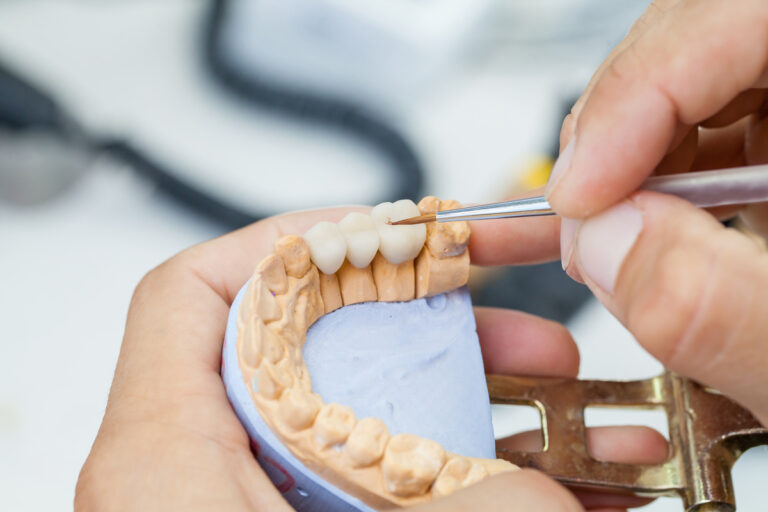
Bridges: where there are teeth missing, a bridge can restore and replace those missing teeth. Typically they take the form of crowns on either side of the missing tooth, and they hold the “pontic” (or false) tooth. Bridges are the most popular options to fill the gap when there are missing teeth.

Full Mouth Reconstruction: In cases where patients need to reconstruct their smile on a larger scale, many different restorative options are available to fully reconstruct their mouth.

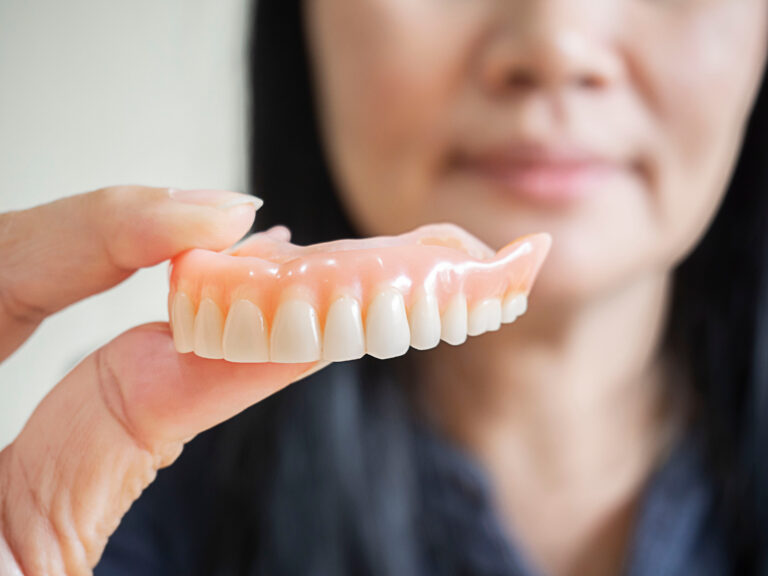
Denturesacrylic base prostheses placed over gums when a full or partial set of teeth are missing. Today there are removable or fixed, partial or full.

Veneersa thin piece of porcelain layer used to provide your mouth with a natural look, and give them strength. Veneers are placed and fixed on the damaged tooth’s enamel.

Jaw Treatment: Treatment of jaw bones and tissues due to TMJ (temporomandibular joint) disorders, or other causes of pain.

Dental Surgery: Dental and Maxillofacial surgeries needed due to birth defects, problems resulting from cancer or traumatic injuries.

In Conclusion, What Are the Benefits of Seeing a Prosthodontist?

  • A prosthodontist knows exactly how to deal with the replacement and restoration of missing teeth. They also have the knowledge to make them look perfectly natural.
  • A Prosthodontist knows exactly how to make your teeth get their usual normal functions. Your teeth not only need to look good, but function well. That’s why aligning the bite is so important.
  • With improved gums, bite and smile, your whole body health (and self-esteem) will benefit. You’ll chew better, enjoy your meals and look amazing.

As the American College of Prosthodontists puts it: “Everyone can enjoy the confidence, fullness of life, and overall well-being that comes from a healthy mouth and an attractive smile.”

Prosthodontist FAQs

What Procedures do Prosthodontists Do?

They perform all the replacement and restorative treatments when there are damaged or missing teeth. These include crowns, bridges, veneers, implants and full mouth rehabilitations. Some also deal with maxillofacial issues arising from different causes, such as accidents or cancer treatments.

Can a Prosthodontist Perform General Dental Treatments?

Yes, they can. And in fact, many of them do. Because of their graduate and post graduate instruction, prosthodontists have the general knowledge to perform general treatments such as check ups, cavity fillings, etc. But they have the skills to do treat more complex cases, such as implants, crowns and full mouth rehabilitations.

Will My Insurance Cover the Cost of my Prosthodontist Visit?

Typically, dental insurance covers general dentistry treatments. However, depending on the case, type of insurance and company, some patients may get coverage for restorative treatments such as crowns or dental implants. The best way to know if your insurance will cover your treatment is to get the information directly from your dental provider.

Can a Prosthodontist Extract Teeth?

Yes, they can do extractions. Patients need extractions in extreme cases where a tooth is severely damaged or where there is periodontal (gum) disease. Extractions may also be needed when preparing your mouth for restorative treatments such as implants or dentures, for example.

Does a Prosthodontist Do Dental Implants?

Absolutely. Other dentists may perform dental implant treatments if they have taken courses and training in that area. But with prosthodontists, you make sure the practitioner has had specific and professional training for at least three years to place dental implants (and any other tooth replacement method).

Can a Prosthodontist Do Dentures?

Yes. In fact, given that a prosthodontist is a board certified professional trained to do this kind of procedure, he or she is the best dentist for dentures. They have qualified training to carry out, manufacture, fit and place dentures in the most effective way.

General Dentistry 860x574 1 -Ocean Breeze

Cosmetic Dentist, General Dentist and Prosthodontist: Who Do I Choose?

Understanding the difference between a general dentist, a cosmetic dentist and a prosthodontist can help you to choose your dentist based on your actual oral health needs.

You might need to get some dental work done and start wondering what kind of dentist you should see. So you may ask yourself: “Should I visit a general dentist, a cosmetic dentist or a prosthodontist?” The answer will depend on the type of dental issue you are dealing with. 

For example, you will most likely see a general dentist if you are in pain or if your problem mainly has to do with preventive care. If you are mostly concerned about the look of  your smile, you may go for a cosmetic dentist, but actually the best option in this case would be to see a prosthodontist. Why is that? In this article we will tell you! 

Cosmetic Dentist, General Dentist & Prosthodontist

Typically, a general dentist and a cosmetic dentist have the same initial training and education.  They both perform general treatments such as regular checkups, fillings and dental crowns. They can fix cavities and repair teeth. You can also get hygiene appointments and teeth whitening treatment in either type of office. 

But there are other factors that set them apart that need to be taken into account.

Cosmetic Dentist, General Dentist & Prosthodontist: Training

However, while a general dentist mainly focuses on preventive care and routine treatments, a cosmetic dentist is also concerned with the look of your smile. By attending professional courses or programs, a cosmetic dentist acquires specific training on the field of aesthetics and develops certain skills that will help improve the appearance of your teeth.

cosmetic dentistry 1 1024x341 1 -Ocean Breeze

This is why cosmetic dentists are supposed to be better trained to perform aesthetics-related treatments such as bonding, porcelain veneers, porcelain crowns, or smile makeovers.  

Cosmetic dentists try to provide you with good oral care while giving you a white, fresh and natural smile. For example, when getting a posterior (back) crown, a cosmetic dentist will try to make the cap look beautiful so that it contributes to the general aesthetics of your mouth, even if you or others can see it or not.

Cosmetic Dentist, General Dentist & Prosthodontist: Experience

Aside from training, day-to-day experience is another important aspect to take into account during the decision making process. Cosmetic dentists are usually better trained than general and family dentists in aesthetic cases because they perform these dental procedures all day long, on a diverse pool of patients. 

To put it bluntly: It’s not the same to do a couple of full mouth veneer cases a year versus one case a week. As with any other profession, practice makes perfect.

Cosmetic Dentist, General Dentist & Prosthodontist: Cost and Quality

Cost and quality are other factors to consider when deciding what type of dentist you should visit.  

Usually, both general and cosmetic dentists charge similar fees. There might be a slight variation in prices, but these differences may have to do with the materials used or the doctor’s added training. 

A cosmetic dentist will probably suggest you to have your dental work done with materials that preserve the look and the aesthetics of your smile; i.e. utilizing better bonding supplies or superior dental laboratories for your porcelain veneers or porcelain crowns. As a result, you may pay a few more bucks for that procedure. But that difference will not be significant.

Cosmetic Dentist vs. General Dentist vs. Prosthodontist

If you are interested in getting a dazzling smile, you may be thinking: “A cosmetic dentist could be a good option for me”. But, even though both prosthodontists and cosmetic dentists perform similar procedures and they both take care of patients who need cosmetic and restorative treatments, there is an important difference between a prosthodontist and a cosmetic dentist.  

According to the American Dental Association, “prosthodontics is the dental specialty pertaining to the diagnosis, treatment planning, rehabilitation and maintenance of the oral function, comfort, appearance and health of patients with clinical conditions associated with missing or deficient teeth and/or oral and maxillofacial tissues using biocompatible substitutes”. 

While cosmetic dentists are general dentists who have attended seminars and courses in  cosmetic dentistry, prosthodontists are specialists recognized by the ADA who have obtained, after three extra years of university training, a postgraduate certificate in prosthodontics. As a result, they are the most qualified professional to take care of both the correct function and the best aesthetics of your mouth.

In general, prosthodontics specialize in more involved procedures and tend to perform more complex restorative and cosmetic cases.

The Most Common Prosthodontist Procedures

In the last few decades, dentistry has witnessed amazing developments in techniques and materials. Thanks to these innovations, prosthodontists can make your smile look perfectly natural. 

There are many different procedures that can be used depending on your specific needs. Prosthodontists can perform regular cosmetic procedures such as:

But they are specially trained in restorative and reconstructive treatments as well.  They are the most qualified dentists when it comes to repairing or replacing damaged or missing teeth and taking care of maxillofacial tissues. Some of the procedures prosthodontists use when restoring the function and the look of your teeth and gums include:

Since prosthodontists are highly qualified professionals, they also deal with complex treatments that require a team of specialists as well as temporomandibular joint disorder syndrome (TMJ/TMD), injuries caused by traumas or accidents, sleep apnea, snoring and other sleep disorders. 

Why Should I Visit a Prosthodontist Near Me?

If you are not sure about what type of dentist you should visit. Remember that all these aspects are important to the overall health, look and functioning of your mouth. 

Sometimes, you may find yourself taking shortcuts to cope with your dental problems in the short term. But why not get the chance to see a dental professional who can provide you with comprehensive oral health care in the best possible way? 

Bottomline: if your main concern is aesthetics, probably your best bet is to see a cosmetic dentist or, preferably, a prosthodontist, who’s a specialist with postgraduate education recognized by the American Dental Association. You can’t go wrong with that.

Also, when you choose a dentist, you need to find someone who can not only keep your mouth functioning well and healthy, but also achieve the best aesthetic result for your smile. 

If you want to learn more about the difference between cosmetic dentist vs general dentist, feel free to email or call Ocean Breeze at 

Email: contact@OceanBreezeProsthodontics.com

Phone: (561) 265-1998

bad breath 860x484 1 -Ocean Breeze

Bad Breath: Causes and Solutions

Few things are more embarrassing than having bad breath.  People who suffer from bad breath feel extremely uncomfortable about this issue. Fortunately, knowing the causes of halitosis is the first step to put an end to this problem in a healthy and simple way.

Why Do I Suffer From Bad Breath?

  • FOOD. There are several reasons why you may suffer from bad breath. To begin with, the food we eat is directly related with having a permanent bad smell in your mouth. Sometimes we eat all kinds of “smelly foods” (like garlic, onions, cheese) which makes it difficult to do away with the strong odor set in your mouth.
  • BAD HABITS. Unhealthy habits such as smoking or drinking alcohol can give you halitosis. If you drink or smoke, or have in the past, you know the simplest way to not have a bad smell in your mouth is simply avoiding the bad habit altogether.
  • MEDICAL CONDITION. Bad breath can be a side effect of taking medication or undergoing certain medical treatments. Sometimes the problem might be more serious with bad breath resulting from digestive issues or yeast infection. Ulcers or reflux diseases can cause a very bad smell in your mouth. If this is the case, it is important to have a medical checkup to find a solution.
  • NO ORAL CARE.  Bad breath typically results from lack of good oral care. If your mouth is not properly and regularly cleaned, germs accumulate while plaque forms between your teeth. Such accumulation of bacteria will not only damage your teeth but will also give you that undesirable bad odor in your mouth. Keeping good dental habits like brushing and flossing twice daily (cleaning your tongue, too) and getting at least two dental checkups per year is the right way to make sure you have a fresh, clean and healthy mouth.   

What if I Don’t Do Anything About it?

HALITOSIS 300x300 1 -Ocean Breeze

Bacteria that builds up in your mouth can lead to more serious problems such as gingivitis or gum disease. Unhealthy gums are the perfect place for germs to grow, and this means the odor will develop too. Make a consultation if you notice any sign of inflammation of your gums to avoid not only bad breath but also more serious periodontal problems in the future.

You might think you want to solve the problem right away just by getting a quick rinse with a mouth wash or using special toothpaste. Yet the results will only be temporary and underlying roots of your bad breath will remain in your mouth! But there’s plenty you can do. First of all, if you think your bad breath comes from troubles associated with your teeth or gums, take a close look at your oral hygiene habits and talk to your dentist to get a professional cleaning and checkup. Drink lots of water to ensure the right amount of saliva can flush the food particles left in your mouth. You may also want to try other healthy habits like drinking green tea as it has been found to have incredible oral benefits on teeth and gums. All of these steps provide an easy and healthy way to keep bad breath away.

If you want to learn more about the relation between  bad breath and periodontal disease, or wish know about other holistic ways of eliminating halitosis, feel free to email or call Ocean Breeze at 

Email: contact@OceanBreezeProsthodontics.com 

Phone: (561) 265-1998 

smile makeover delray beach with implants 1 -Ocean Breeze

Prosthodontist Near Me: Surefire Tips to Help You Choose the Right One

Whether you have damaged or missing teeth, or you simply realize you’re due for a dental checkup,  you might be interested in finding a good prosthodontist near me. To be able to find the “best prosthodontist near me”,  you need to take a look at some important things.

Here’s a quick list of tips:  

1. What Kind of Dental Professional Do You Need? 

First, you have to think of the kind of dentist you want to find. Many patients are happy to see a specialist instead of a general dentist. Why? Because they prefer to get high quality oral treatments.

Prosthodontists are specialists with skilled training in restoring teeth and maxillofacial tissues. They also perform complex cosmetic procedures with the best outcomes. 

Prosthodontics is, in fact,  one of the nine specialties officially recognized by the ADA. As specialists, prosthodontists have to attend 4 years of dental school,  plus three years of training in advanced training.

This extended education allows “prosthos” to become highly qualified professionals.

Prosthodontists specialize in:

  • mouth restoration
  • restoration of natural teeth
  • restoration of missing teeth
  • restoration of damaged oral tissues
  • aesthetic dentistry

So by choosing a prosthodontist, you are making sure you will treat your oral health in the most effective way. Besides, if you’re seeking cosmetic improvement of your smile, a prosthodontist has guaranteed training in the most advanced and updated state-of-the-art procedures and materials.  

2.Find a Dentist with Good Reputation and Training

Once you’ve decided on the right dental professional to take care of your oral health, you need to check if this dentist has good reputation and training. Find about her or his certifications. Take a look at their school training. Read online reviews to find what other patients are saying about the dentist you’re choosing. 

It’s useful to have in mind that ADA (American Dental Association)  members keep ongoing training and updated dental practices. That’s why choosing an ADA prosthodontist is another guarantee for good dental work. 

Also, consider this: try to find someone who is recommended by a friend, co-worker, family member, or anybody whose opinion you really trust. It is very important to get high quality dental work because when it comes to your oral health, you want to be in safe hands.

3. Is Insurance your Main Concern When Choosing your Prosthodontist Near Me?

If you’re looking for a good prosthodontist near you, you should also find a balance between insurance, costs and benefits. To make it clearer: if you decide to see a prosthodontist because you have some important dental issues to solve (let’s say implants, crowns, dentures or bridges), you should try to find someone you can trust.

And this decision should rest on a more solid basis than insurance alone. 

In dentistry, many patients suffer the consequences of cheap dental work. On occasions, getting your dental work at the first office you find might bring along future problems. Everyday you hear about patients complaining about poor dental procedures they have gone bad.

Besides, insurance plans do not typically cover those treatments that go beyond a simple cleaning or filling. So it may happen that you limit yourself to the list of in-network providers only to end up paying more money in the long run.

Try to avoid dentists with poor training or experience in restorative or cosmetic treatments. 

Instead, try to choose the dentist that suits your needs best. Then, check for insurance coverage, reimbursements, or payment plans.

Usually, 50 to 80 %of treatments involving crowns, bridges, bonding, or other procedures are covered by insurance, although that will depend a lot on the type of plan you have. By getting proper and effective treatments you will avoid spending more money in the future.

Remember in dentistry, as in many other things in life, you get what you pay for. 

4. Find a Helpful Office with a Caring Staff

Finding a trustworthy professional is key. However, your experience at the dental office will also highly depend on how well the staff makes you feel. A kind staff will:

  • answer phone calls politely
  • try to fit you in case of an emergency or severe pain.
  • ask for previous x-rays to avoid over exposure of radiation and paying more money
  • make you feel at home and relaxed every time you go in for an appointment.
  • help you out with paperwork and insurance coverage. (Many dental offices are willing to help you find out the benefits of your insurance and file your claims for you to your insurance provider).
  • give you all the necessary information. Sometimes it is hard to determine procedures or prices over the phone (office staff are not doctors!) But, a helpful staff will give you a range of costs before your treatment. They can also guide you on the kind of appointment you should get.

5. Make Sure your “Near Me Prosthodontist”  is in Fact Near You

Picking a specialist in your area is the best choice for getting to your appointments regularly and on time. 

Driving long distances can make you feel distress much before getting to the dental office. Besides, if you have to cancel or reschedule your visit,  finding a dentist or prosthodontist who is near the place where you work or live will make things much easier. 

Remember  your dentist will be taking care of your oral and whole body health. So it is important you have easy access to your dental practitioner. If you are in Boca Raton or in Delray Beach try to find a professional at your reach. 

However, you may find a dentist you really trust and you feel comfortable with, but who is rather far from your area.  Then, you need to think what’s best for you. In other words: find a balance between quality and distance. It may happen that you find someone who is a bit far away from your area, but the practice is much more effective and  you make sure you visit the office fewer times.

6. If Possible, Find a Holistic Dental Office. 

A prosthodontist who can take care of both your oral and whole body health will certainly make your best choice. Why? Because your mouth is part of your whole body system. So a dentist who can take into account the effects and links between your oral treatments and the rest of your body will have a more complete view of your oral health.  

Holistic dental practice is beneficial because it:

  • takes into account your whole body, not only your mouth and teeth
  • takes into account your nutrition and health habits
  • makes use of biocompatible materials that do not harm your body
  • performs the least invasive treatments possible
  • will provide a relaxing and comfortable experience during your visit.  Relaxation techniques and essential oils, for example, can be part of a holistic practice. 

Both holistic and specialized dental practices can give you the best experience when dealing with your oral care. When trying to find the best prosthodontist near you, make sure you consider these tips.

To sum up, remember to:

  • take into account the dentist’s training
  • look at what other people are saying about the dentist you choose 
  • make a good choice based on your specific needs (making a balance between costs and benefit)
  • find a friendly staff
  • find a professional who can treat you as a person, not just your mouth
  • choose an office that practices holistic dentistry

You deserve to be treated in the best and most caring way. Finding a good prosthodontist near you will not only make you feel at ease but also help your mouth and your wallet in the long run. 

deep cleaning -Ocean Breeze

Do I Really Need a Deep Cleaning?

A deep cleaning is recommended when a patient presents some form of periodontal (gum) disease. Periodontal disease can be described as a silent, persistent bacterial infection that can affect your gums and the bone that supports your teeth as well as your overall body health. Periodontal disease has been associated with increased risks of stroke, heart disease, pregnancy complications and other respiratory infections.

According to the ADA, more than 70% of US adults suffer from some form of periodontal disease. Problem is that sometimes patients don’t really know what they are getting into. They wonder why they should proceed with the treatment or even if they need the treatment at all.

HOW DO I KNOW IF A DEEP CLEANING IS REALLY NECESSARY?

I hate to break it to you, but chances are that if a dentist recommended a periodontal (deep) cleaning, you will most likely need it. But the most important aspect of this process is not only the diagnosis, but also to understand the causes of the disease, and how to prevent it in the future. That is why choosing a holistic dentist, someone who looks at the big picture, looks at the root of the problem and spends the necessary time educating you, could be beneficial not only for your teeth, but for your overall health.

Gum Disease Treatment -Ocean Breeze

So how do you know if you need a deep cleaning? There are some indicators that can help you determine if your gums are healthy or have active bacterial infection:

– Your gums are red, swollen and/or tender

– Your gums  bleed after brushing or flossing – healthy gums should NEVER bleed

– You suffer from persistent bad breath

– You have pain while chewing

– Your teeth are loose

OK, I NEED A DEEP CLEANING. HOW DO I PAY FOR IT?

So, how do you keep a deep cleaning within your budget? Many times, when a dentist presents a treatment, it will include many services that can be postponed or maybe avoided. For instance, even though there are many benefits to using an electric toothbrush, if you want to keep your costs down, you can restore your gums back to health using a conventional toothbrush.

Another way to save is to do a quadrant at a time (like your upper right, for example) or half a mouth. It is not ideal, since you are dealing with active infection, but when finances are a problem, doing some work is better than no work at all.

Finally, start brushing and flossing! The simple act of brushing and flossing on a regular basis may significantly decrease (but will not eliminate) the active infection, and may also help decrease the cost of the treatment. You can also use an antiseptic mouthwash, which is used to kill the bacteria causing the infection.

In the end, you will need to have your teeth professionally cleaned, especially because most of the infection tends to lay below the gums, where you or your brush have no access. When you do, ask your doctor or hygienist to educate you on how to floss and brush properly. A bad flossing or brushing technique can sometimes do more damage than good.

If you want to learn more about periodontal disease or need to know if you really need a deep cleaning, feel free to email or call us at

Email: info@drsrohrer.com

Phone: (561) 265-1998

675acb48ae7b2f6106222ff7 9E9A9705 min -Ocean Breeze

Transform Your

Smile,

Transform Your

Life
If you’re ready to reclaim your confidence, we’re here for you.
Get started by booking or calling today.

Get In Touch

Request an Appointment

**Requested time is not final until you receive confirmation from our office. Please do not submit any Protected Health Information (PHI).

"*" indicates required fields

This field is for validation purposes and should be left unchanged.
Are you a New or Existing Patient?*
AM/PM*