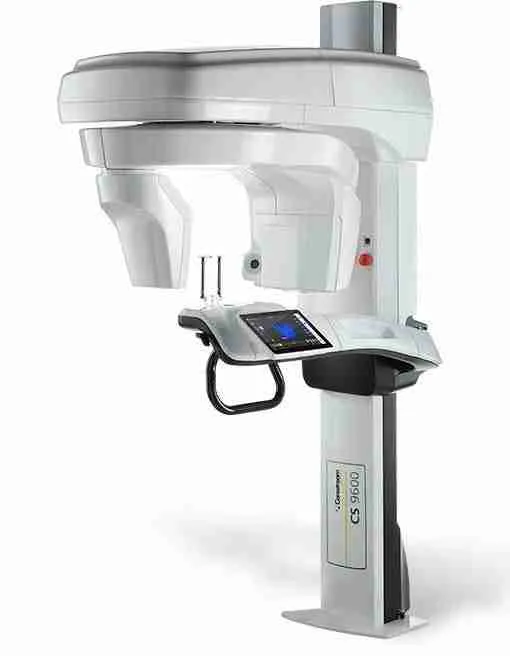
A dental CBCT scan is a Cone Beam Computed Tomography scan used in dental diagnosis. In some cases, patients may need a cone beam CT scan when regular X-ray procedures are not enough. For dental implants, orthodontics or root canal planning, for example, the doctor may need a CBCT scan to get a clearer and more detailed series of images of the mouth.
Cone beam CT scans can provide high quality images. These images not only show the surface of your teeth, bone and gums, but also the different layers and in-betweens. These detailed images allow your doctor to make a deeper evaluation of your mouth prior to your treatment.
Why Should You Get a Dental CT Scan?
Benefits of Dental CT Scan
High-Quality Diagnosis
CBCT scans provide high quality 3D images in a fast, non-invasive way. These high-quality images help your doctor achieve a more accurate diagnostic, treatment planning and evaluation of certain oral conditions.
Accurate Planning for Dental Implants
Cone beam x-rays, or CBCT scans, are used for carefully planning dental implants before the surgery. At Ocean Breeze, we emphasize CBCT scanning technology for implants to ensure precise placement and optimal outcomes.
More Benefits, Less Risks
As recommended by the ADA, CT scans should be performed only when necessary to avoid unnecessary radiation exposure. However, a minimal exposure to a CBCT scan will enable a careful and accurate treatment to regain a healthy and functional mouth.
Diagnosis of Abnormal Conditions
CBCT scans can help your doctor visualize if there are abnormal lesions or tumors in your mouth. A clear image of abnormal conditions can help treat the problem sooner and more accurately.
Fast Procedure
Medical professionals use this state-of-the-art technology as it provides the finest images in a matter of seconds. This also means less time exposed to radiation, plus high quality images of dental and soft tissue structures.
Totally Painless
You will not experience any kind of pain or discomfort during the CBCT scanning procedure. The accuracy of images will allow for a successful and accurate treatment plan in case of oral surgery, implant surgery or any other kind of complex dental procedure needed.

At Ocean Breeze, we prioritize our patients’ wants and needs, so any treatment will be discussed during the comprehensive exam with detailed information about what is going on in your mouth.
1. During the initial comprehensive exam, your doctor will evaluate if a CBCT scan is needed.
2. If so, the doctor will choose the best protocol with the lowest possible dose to avoid unnecessary radiation exposure.
The Diagnostic Process
3. The scan itself will last about 40 seconds, but you will be asked to wait a couple more minutes to check if the images have been clearly taken.
4. After your oral health professional analyzes these images, he or she will be able to set out an accurate treatment plan based on what images reveal.
FAQs
Dental CT Scan FAQs
How Do I Know If I Need CT Scan?
During the initial comprehensive exam, your doctor will evaluate if a CBCT scan is needed. In case your treatment plan requires a detailed evaluation of your internal mouth structure, you will probably be a candidate for a CBCT scan.
How much is CT Scan?
Dental insurance coverage varies, but some plans cover x-rays and scans. Keep in mind we are a fee-for-service office. However, we work with PPO plans as out-of-network providers. Our staff files the claims for you so you can get reimbursed directly shortly after treatment has been completed.
Can CT Scan Detect Cancer?
A CBCT scan combines x-rays and images to recreate detailed pictures of your mouth. If a patient has some kind of abnormality in the mouth, the CBCT scan images will be able to detect if there are abnormal lesions or tumors.
Is CT Scan Safe?
Although CBCT scans may have a higher level of radiation than regular dental x-rays, for certain treatments the benefits far outweigh the risks. The cone beam computed tomography procedure itself only takes a few seconds. Besides, it is totally painless.
Where Can I Get CT Scan Near Me?
At Ocean Breeze, we use the CBCT scan when needed. CBCT scans can help your doctor visualize in detail the conditions of your teeth, tissues, jaw, etc. A clear image of abnormal conditions can help treat the problem sooner and more accurately.
Get In Touch
Request an Appointment
**Requested time is not final until you receive confirmation from our office.
Please do not submit any Protected Health Information (PHI).
"*" indicates required fields
Transform Your
Smile,
Transform Your
Life
If you’re ready to benefit from advanced 3D imaging for your dental treatment in Delray Beach, our team at Ocean Breeze is here for you. Dr. Nicholas Goetz uses CBCT scanning technology to provide precise diagnoses and treatment plans, particularly for dental implant procedures. As a maxillofacial prosthodontist, Dr. Goetz understands the critical importance of detailed imaging for successful outcomes.