Ready to schedule? Call or book online today.

(561) 265-1998 Book Now
Insurance Accepted

Prosthodontic treatments covered by most insurance plans

Se Habla Español | Falamos Português

675acf91bad034d5383d6e6c 9E9A9709 min -Ocean Breeze

Blog

Stay informed and take care of your dental health with our informative blog articles.

Discover the Latest Blogs

Stay informed with our informative and engaging blog posts.



dentist and patient discussion about planned teeth treatment in

What to Expect During Your First Maxillofacial Prosthodontic Consultation

Walking into a dental office for the first time, especially one focused on complex restorative care, can bring a mix of emotions. Whether you have been referred by your general dentist or found your way here after years of avoiding a problem you knew needed attention, your first maxillofacial prosthodontic consultation is far less intimidating than most people imagine. In fact, it is the moment when confusion gives way to clarity, and when a path forward finally begins to take shape.

At Ocean Breeze Implant & Esthetic Dentistry in Delray Beach, Dr. Nicholas Goetz and his team understand that arriving at that first appointment takes courage. Dr. Goetz is among a select group of approximately 150 maxillofacial prosthodontists practicing in the United States, bringing advanced training and a precision-driven approach to some of dentistry’s most complex cases. That first consultation is not about pressure or procedures. It is about understanding who you are, what you need, and how to build a plan that will last a lifetime.

What Happens Before You Ever Sit in the Chair

Preparation makes the visit smoother, and a little bit of advance thought goes a long way. You will be asked to complete some paperwork before your appointment, covering your medical history, current medications, past dental treatments, and any specific concerns or goals you are hoping to address. If you have existing X-rays or records from a previous dentist, bringing those along is helpful, though not required. The team at Ocean Breeze can take new imaging right in the office if needed.

It is also worth thinking ahead of time about what has been bothering you most. Whether it is discomfort when chewing, the appearance of your smile, missing teeth, or a long-standing issue you have never quite gotten around to addressing, articulating your concerns clearly helps Dr. Goetz build the most accurate picture of your needs from the very start. You can explore the full range of dental services offered at Ocean Breeze to get a sense of what may apply to your situation before you arrive.

What the Consultation Actually Involves

The first thing you will notice is that this is not a rushed appointment. Dr. Goetz takes the time to listen before he does anything else. The consultation begins with a detailed conversation about your dental history, your health background, and what brings you in. According to the National Institute of Dental and Craniofacial Research, nearly 1 in 5 adults experience moderate-to-high dental fear that prevents them from seeking oral care. A patient-centered, unhurried approach is one of the most effective ways to change that experience. At Ocean Breeze, the goal is always to make sure you leave with more answers than questions.

A Comprehensive Examination

After the conversation, Dr. Goetz will conduct a thorough clinical examination. This exam typically includes a close look at your teeth, gums, bite alignment, and jaw function. Thanks to our investments in advanced intraoral scanning technology, digital imaging may also be incorporated when it supports a more accurate diagnosis. CBCT scanning is particularly valuable for evaluating bone structure in patients who may be candidates for implants or full-arch restoration. Technology at Ocean Breeze is used to support clinical judgment, not replace it.

The following elements are typically assessed during the examination phase of your consultation:

  • Existing restorations: any crowns, bridges, dentures, or implants you currently have are evaluated for fit, function, and longevity
  • Bite and jaw alignment: occlusion is examined to identify any imbalances contributing to wear, discomfort, or functional challenges
  • Bone and tissue health: the condition of the gums and underlying bone informs what treatment options are available and most appropriate
  • Esthetic goals: the visual aspects of your smile are discussed in relation to what is achievable within a comprehensive treatment plan

Every finding from the exam is explained to you in plain language, so you always know what is being observed and why it matters.

The Treatment Planning Discussion

Once the examination is complete, Dr. Goetz will walk you through his findings and present a treatment plan tailored specifically to you. This is the part of the consultation most patients find most valuable. Rather than a one-size-fits-all recommendation, the plan reflects your unique circumstances, goals, and the complexity of your case. Ocean Breeze takes on cases that other practices refer out, which means patients with significant dental needs are in capable, experienced hands. You can read more about why patients choose Ocean Breeze on their website.

What to Bring and How to Prepare

Arriving prepared can help you make the most of your visit. Bringing a list of your current medications and supplements is especially helpful, since these can affect your treatment options. If you have dental insurance, bring your information with you so the team can review how your benefits may apply.

Ocean Breeze is not in-network with insurance providers, but they will file claims on your behalf and help you pursue any reimbursement available through your PPO plan. If you’re wondering what your first visit will involve, the new patient resources page is a great place to start.

Begin Your Journey at Ocean Breeze Implant & Esthetic Dentistry

There is a reason Dr. Nicholas Goetz is trusted with cases that go beyond the scope of general dentistry. His training in maxillofacial prosthodontics, including a fellowship at UCLA, and his experience as a civilian maxillofacial prosthodontist for the U.S. Army and VA Medical Hospital reflect a depth of clinical experience matched by very few practitioners in the country. That background shapes every consultation, ensuring that even the most complex treatment plans are built on a foundation of precision, honesty, and long-term thinking.

If you have been putting off an appointment, wondering whether your case is too complicated, or simply looking for a dentist who will take the time to understand your needs, the first step is the most important one. Reach out to our team today to schedule your consultation and take that first step toward a smile that works and feels the way it should.

Teeth treatment talk, dentist and patient engaging in a discussion with a model, dental consultation exemplifies patient-centered dentistry, emphasizing personalized care and informed choices.

How All-on-X Dental Implants Can Restore Your Smile in One Day

Waking up and knowing that by the time your head hits the pillow tonight, you could have a full, beautiful smile again sounds almost too good to be true. All-on-X dental implants can restore an entire arch of missing or failing teeth in a single appointment. This fixed, permanent-looking prosthesis is supported by just four to six strategically placed implants, making it a reality for those seeking a complete smile restoration.

At Ocean Breeze Implant & Esthetic Dentistry in Delray Beach, Florida, this kind of life-changing transformation is exactly what we do. Led by Dr. Nicholas Goetz, one of approximately 150 board-certified maxillofacial prosthodontists in the United States, our practice offers a level of full-arch dental implant training and precision that most dental offices simply cannot match. Dr. Goetz completed his fellowship at UCLA and served as a civilian maxillofacial prosthodontist for the U.S. Army and VA Medical Hospital, giving him a depth of clinical experience built on some of the most complex cases in the field.

What Are All-on-X Dental Implants?

All-on-X is a full-arch tooth-replacement approach that uses four to six implants, often strategically angled in the jaw, to anchor a complete row of prosthetic teeth. Unlike traditional dentures that rest on the gums and can shift or slip, All-on-X provides a fixed solution that looks, feels, and functions like natural teeth. The “X” in All-on-X simply refers to the number of implants used, which can vary based on each patient’s anatomy and clinical needs.

The procedure typically begins with a thorough evaluation, including digital imaging and precise surgical planning. On treatment day, any remaining teeth in the arch are removed if necessary, the implants are placed, and a temporary but fully functional prosthesis is attached. Patients leave with a complete smile they can use right away. A final, permanent restoration is delivered after the healing period is complete.

The Role of Digital Planning in Your Outcome

One of the reasons All-on-X results at Ocean Breeze are so consistently strong is the precision of digital planning for All-on-X implants before a single implant is ever placed. Advanced 3D imaging and digital surgical guides allow Dr. Goetz to map the exact angle, depth, and position of each implant relative to your bone structure and bite. This removes guesswork entirely and sets the foundation for a prosthesis that fits with precision from day one.

Who Is a Candidate for All-on-X?

All-on-X is designed for patients who have lost most or all of their teeth in one or both arches, or whose remaining teeth are failing and cannot be restored. Many patients who have been told they are not candidates for traditional implants due to bone loss may still qualify for All-on-X, because the angled implant placement is specifically designed to maximize available bone. A comprehensive evaluation considers factors including bone density, gum health, and overall medical history.

A long-term study published in PubMed that tracked All-on-4 outcomes for up to 18 years reported a cumulative prosthetic survival rate of 98.8%, confirming that full-arch implant restorations are a validated, durable solution for patients with significant tooth loss. Not everyone is the right candidate, and an honest assessment matters. That is something Dr. Goetz takes seriously at every consultation.

How All-on-X Compares to Other Options

When you are missing most of your teeth, the alternatives to All-on-X typically include traditional removable dentures or implant-supported dentures. Each option carries its own considerations, and understanding the differences helps you make an informed decision. Here is how All-on-X stacks up:

  • Fixed in place: All-on-X prostheses are screwed into place and cannot be removed at home, unlike removable dentures that require nightly soaking and adhesives.
  • Bone preservation: Implants stimulate the jawbone the way natural tooth roots do, helping prevent the bone resorption that occurs with dentures over time.
  • Chewing strength: All-on-X patients typically recover a significant percentage of their natural biting force, allowing them to eat many foods they previously could not chew.
  • Long-term investment: Although the initial cost is higher than that of traditional dentures, many patients feel that the long-term comfort, reliability, and confidence All-on-X provides make it well worth considering.

For patients weighing their options, a full-arch dental implant guide can provide additional context on what to expect from each approach.

Restore Your Smile at Ocean Breeze Implant & Esthetic Dentistry

There are very few dental providers in the country with the training and experience that Dr. Nicholas Goetz brings to full-arch implant care. As a maxillofacial prosthodontist with fellowship training from UCLA and years of work treating the most demanding cases in military and VA healthcare settings, Dr. Goetz approaches every All-on-X case with the kind of precision and commitment that produces lasting results. At Ocean Breeze Implant & Esthetic Dentistry, we believe every patient deserves a solution built to last, not one built to get by.

If you are ready to find out whether All-on-X is the right path for you, we would love to talk. Contact our office to schedule your consultation with Dr. Goetz and take the first step toward a smile that changes everything.

Professional Dentist showing jaw and teeth the x-ray photograph

All-on-X vs. Traditional Dental Implants: Which Full-Arch Solution Is Right for You?

When you’re weighing your options for replacing an entire arch of teeth, the choice between All-on-X and traditional dental implants can feel overwhelming. Both are permanent, implant-based solutions, but they differ significantly in how they work, how many implants are involved, and which patients are best suited for each approach. Understanding those differences is what helps you make a confident, informed decision.

At Ocean Breeze Implant & Esthetic Dentistry in Delray Beach, Dr. Nicholas Goetz brings a rare level of training to this conversation. As one of approximately 150 maxillofacial prosthodontists in the country, Dr. Goetz has the advanced training and hands-on experience to evaluate your specific anatomy, bone structure, and long-term goals before recommending a path forward. Our full-arch dental implant options are designed with that precision in mind.

What Is All-on-X?

All-on-X is a full-arch restoration approach that uses a fixed number of implants, typically four to six, to support an entire set of upper or lower teeth. The prosthesis is anchored to those implants and does not come out, making it a permanent, non-removable solution. The term “X” reflects the variable number of implants used, depending on the patient’s needs.

One of the most appealing aspects of All-on-X is that it can often be completed with fewer implants than a traditional full-arch approach, even in patients with some degree of bone loss. Two of the implants are placed at an angle in the back of the jaw, which maximizes contact with available bone and reduces, or sometimes eliminates, the need for bone grafting.

Who Benefits Most From All-on-X?

All-on-X tends to be a strong fit for patients who have lost most or all of their teeth and are currently wearing or considering removable dentures. It also works well for patients with moderate bone loss who want a fixed solution without undergoing extensive preparatory procedures. If you’ve been told you’re not a good candidate for individual implants, All-on-X may still be an option worth discussing.

What Are Traditional Full-Arch Dental Implants?

Traditional full-arch dental implants involve placing a greater number of individual implants throughout the jaw, often six to eight or more, each of which integrates directly with the bone. This approach distributes chewing forces more evenly across the arch and can provide an exceptionally stable foundation for a fixed prosthesis or implant-supported dentures.

Because more implants are involved, this method typically requires adequate bone volume throughout the jaw. Patients with significant bone loss may need bone grafting beforehand, which adds time to the process. However, for patients with good bone density, the traditional approach can produce results that feel and function remarkably close to natural teeth.

How the Two Approaches Compare

Both solutions deliver life-changing outcomes, but the right fit depends on your clinical picture. Here are the key factors that typically guide that decision:

  • Bone volume: All-on-X is more accommodating for patients with bone loss, while traditional implants require greater bone density across the arch.
  • Number of implants: All-on-X uses fewer implants with angled placement; traditional full-arch restorations use more implants placed vertically.
  • Timeline: All-on-X may allow for faster treatment completion; traditional approaches may require additional preparatory steps.
  • Force distribution: A higher implant count in traditional restorations spreads biting forces more evenly over time.

According to a study published by the American Dental Association, fixed full-arch implant-retained prostheses placed on the same day as implant surgery demonstrate high success rates, underscoring that both approaches, when performed by a trained provider, can deliver durable, long-term results.

The American Dental Association has also highlighted the strong outcomes associated with these procedures. As noted in a 2019 specialty scan published by the ADA:

“Dentists who provide fixed full-arch implant-retained prostheses for patients on the day of implant placement can expect a high success rate.”

Both approaches also require careful planning around the final restoration. Whether you’re receiving a zirconia prosthesis or an acrylic arch, the fit, bite alignment, and esthetic outcome all depend on the precision of the treatment plan. This is where Dr. Goetz’s training in dental implant crowns and full-arch restorations makes a meaningful difference.

What the Evaluation Process Looks Like

Before any full-arch solution can be recommended, a thorough evaluation is essential. Dr. Goetz uses digital implant surgical guides and advanced imaging to assess bone quality, jaw structure, and bite mechanics. That diagnostic process informs not just which approach is appropriate, but exactly how many implants are needed, where they should be placed, and what kind of final restoration will serve you best over the long term.

This level of planning reflects the maxillofacial prosthodontist training that sets Dr. Goetz apart from a general dentist or even a conventional prosthodontist. The scope of that training encompasses both the surgical and restorative sides of full-arch care, which means Dr. Goetz can manage complex cases from the first evaluation through final delivery of your new smile.

Find the Right Full-Arch Solution at Ocean Breeze Implant & Esthetic Dentistry

Choosing between All-on-X and traditional dental implants is not a decision that can be made from a checklist alone. It requires a provider who understands the nuances of full-arch rehabilitation and has the training to execute it well. At Ocean Breeze Implant & Esthetic Dentistry, Dr. Goetz brings fellowship-level training from UCLA and years of experience treating complex, multi-stage cases that many providers won’t take on. You can learn more about what sets our practice apart on our why choose us page.

If you’re ready to explore whether All-on-X or traditional implants are the right path for you, we invite you to take the first step. Contact our team to schedule a consultation and find out what full-arch restoration could look like for your smile.

Edlerly man watching his dentist prepare a dental drill

The All-on-X Treatment Timeline: What to Expect from Consultation to Final Restoration

From the moment you sit down for your first consultation to the day your final restoration is placed, the All-on-X process unfolds in a series of carefully planned stages, each one building toward a complete, lasting smile. For most patients, the full journey takes anywhere from six to twelve months, and knowing what lies ahead can make every step feel far less daunting.

At Ocean Breeze Implant & Esthetic Dentistry in Delray Beach, Dr. Nicholas Goetz guides patients through this process with a level of care and precision few practices in the country can offer. As one of approximately 150 maxillofacial prosthodontists in the United States, Dr. Goetz brings advanced training in complex oral rehabilitation to every case, ensuring your treatment is not only thorough but built to last. If you have been wondering whether full arch dental implants might be right for you, understanding the timeline is the best place to begin.

Stage One: Consultation and Comprehensive Evaluation

The process begins long before a single implant is placed. Your initial consultation is one of the most important appointments in your entire treatment, and it involves far more than a conversation.

What Happens During Your Consultation

Dr. Goetz will conduct a complete oral health evaluation, reviewing your bone density, gum health, and bite function to determine whether you are a strong candidate for All-on-X. A key part of this evaluation is CBCT scanning technology, which produces a detailed three-dimensional image of your jaw. This imaging allows Dr. Goetz to precisely map your anatomy and identify any areas where preparatory work, such as bone grafting or extractions, may be needed before moving forward. The goal of this stage is not just to determine candidacy but to design a treatment plan tailored entirely to your mouth.

Preparing for Surgery

Some patients require preparatory procedures before implant placement can begin. If bone loss has occurred, bone grafting may be recommended to create a stable foundation. This step, when necessary, adds healing time to the overall timeline. Remaining teeth may also need to be extracted in advance. According to research published by the National Institutes of Health, proper pre-surgical planning is a critical factor in implant success. Once preparatory work is complete and healing has occurred, you are cleared for surgery.

Stage Two: Implant Placement and Temporary Restoration

This is the appointment many patients look forward to most. On the day of your surgery, Dr. Goetz places the titanium implant posts into your jawbone at carefully calculated angles. What makes All-on-X remarkable is that patients typically leave with a full set of functional temporary teeth on the same day, allowing you to smile, speak, and eat without going through a toothless healing period. You can read more about whether you may be a candidate in our guide on being a good candidate for All-on-X dental implants.

The temporary restoration protects your implants during the most important stage of healing, called osseointegration. During this process, the titanium posts gradually bond with your jawbone to create a strong, stable foundation for your final restoration.

This healing phase usually takes about three to six months. Following Dr. Goetz’s post-operative care instructions during this time is important for helping your implants heal properly and supporting a successful long-term result.

Stage Three: The Final Restoration

Once osseointegration is confirmed, you return to Ocean Breeze to have your final, permanent restoration placed. This prosthesis is custom-crafted using detailed records gathered throughout your treatment and is designed to look, feel, and function like natural teeth.

Receiving your final restoration is an important milestone, and many patients describe seeing their completed smile for the first time as a genuinely transformative moment.

Throughout this stage, Dr. Goetz reviews your bite, ensures proper function, and makes any final refinements. Patients who have chosen implant-supported dentures or full-arch options often remark that the permanence and stability of the result far exceed their expectations. This is the moment the timeline was always building toward.

Begin Your All-on-X Journey at Ocean Breeze Implant & Esthetic Dentistry

The All-on-X timeline requires patience, but every phase has a purpose. From the precision of your CBCT scan to the placement of your final restoration, each step is designed to deliver a smile that will serve you for decades. Dr. Nicholas Goetz’s advanced training as a maxillofacial prosthodontist, combined with his experience handling complex cases that others often decline, means patients at Ocean Breeze receive an extraordinary level of care from start to finish.

If you are ready to learn whether All-on-X is right for you, we invite you to take the first step today. You can explore our digital CT scan technology to understand how we plan your treatment, or contact our office to schedule your comprehensive consultation with Dr. Goetz.

Happy elderly woman enjoying her beautiful toothy smile looking to the mirror in the dental office

All-on-6 Dental Implants: When You Need More Support

Replacing a full arch of teeth is one of the most life-changing decisions a person can make. For many patients, the thought of living without a complete, functional smile has been a quiet weight carried for years, affecting the foods they eat, the way they speak, and the confidence they bring to everyday interactions. Full-arch implant solutions have given thousands of people their smiles back, and among those options, All-on-6 dental implants stand out as a particularly powerful choice for patients who need a little more from their restoration.

Not every jaw is the same, and that’s exactly the point. Some patients arrive with significant bone loss, a wider arch, or other anatomical factors that call for greater coverage and load distribution across their arch. When that’s the case, our team at Ocean Breeze Implant & Esthetic Dentistry Implant & Esthetic Dentistry in Delray Beach works with patients to determine whether All-on-6 implants represent the right path forward. As a practice led by Dr. Nicholas Goetz, one of approximately 150 maxillofacial prosthodontists in the entire country, we take a deeply personalized approach to dental implants in Boca Raton and the surrounding South Florida region, mapping every treatment to the precise needs of the individual patient.

What Makes All-on-6 Different?

The fundamental principle behind this concept is that a full arch of replacement teeth can be anchored to the jawbone using a strategically placed set of implants, rather than one implant per tooth. The All-on-6 approach places six implants throughout the arch instead of four, and this distinction carries important clinical significance.

Greater Bite Force Distribution

With six anchor points instead of four, the bite force a patient generates is distributed across a broader base. This added distribution can reduce the mechanical load placed on each individual implant, which matters especially in the upper jaw. Research published in Clinical Case Reports by the University of Ha’il found that six implants are particularly recommended for maxillary restorations, as the upper jaw tends to have lower bone density and a thinner cortical layer compared to the mandible, making broader support a clinically sound choice.

Extended Coverage Area for Greater Stability

The sixth implant also extends the coverage area further back in the arch, which can improve the stability of longer prostheses and reduce the prosthetic arm length between the last implant and the end of the restoration. For patients with a naturally wider smile or those restoring the upper arch specifically, this added reach can make a major difference in both function and long-term outcomes.

Who Is a Good Candidate?

All-on-6 dental implants are often the right fit for patients who have been told they may not be the best candidates for a four-implant approach, or for those whose anatomy naturally calls for greater coverage. 

Patients who have experienced moderate to significant bone loss over the years may benefit from the expanded support that six implants provide. While more severe bone loss may require preparatory procedures before any implant placement, many patients with reduced bone volume can move forward with All-on-6 without those additional steps. The upper jaw is the most common scenario, given that it naturally carries less density than the lower jaw. Patients with a wider dental arch or those who have had traditional dentures for extended periods may also find that six implants create a more stable and comfortable restoration than four would allow.

A thorough evaluation is the only way to know for certain which approach is the right one, and at Ocean Breeze Implant & Esthetic Dentistry, that evaluation is comprehensive. We utilize dental CT scan technology to capture detailed three-dimensional images of the jawbone before any treatment recommendation is made. This CBCT imaging allows Dr. Goetz to assess bone density, volume, and structure with a level of precision that two-dimensional X-rays simply cannot provide, ensuring that every implant placement decision is grounded in accurate data rather than estimation.

How the Procedure Unfolds

The treatment process for All-on-6 dental implants follows a well-established sequence designed to maximize comfort and long-term success. It begins with a comprehensive consultation that includes a full oral health assessment, a review of medical history, and the CBCT scan mentioned above. From there, Dr. Goetz develops a detailed digital treatment plan that maps out exactly where each of the six implants will be positioned for optimal support and longevity.

On the day of surgery, the six implants are placed directly into the jawbone at carefully calculated positions. Patients typically receive a provisional fixed prosthesis shortly after surgery, allowing them to leave the office with a functional and natural-looking smile. This means no prolonged period of going without teeth during the healing phase, which typically spans several months as the implants integrate with the surrounding bone through a process called osseointegration.

Once the bone has fully integrated with the implants, the final custom prosthesis is fabricated and placed. This final restoration is designed to function, feel, and look like natural teeth, giving patients the ability to eat, speak, and smile without the limitations that came with their previous dental challenges. Those interested in exploring full mouth reconstruction as part of a broader treatment plan will find that All-on-6 can serve as a cornerstone of that larger process.

All-on-6 vs. All-on-4: Understanding the Relationship

It’s worth addressing the relationship between these two options directly, because many patients arrive having already researched one or the other. Both approaches are excellent, clinically supported solutions for full-arch tooth replacement, and neither is universally superior to the other. The right choice comes down to the specific anatomy of your mouth, the condition of your jawbone, and the particular arch being restored.

All-on-4 dental implants in Delray Beach remain a highly effective option for many patients, particularly those with adequate bone density or those restoring the lower jaw. A 2023 retrospective study published in Clinical Implant Dentistry and Related Research, following 217 patients for up to 13 years, found that both four- and six-implant full-arch restorations demonstrated high and comparable long-term implant survival rates, with the six-implant approach appearing more predictable in certain clinical measurements. This reinforces what experienced maxillofacial prosthodontists have long understood, with both options having an important place, and the clinical picture of each individual patient determines which is best suited for them.

Begin Your Journey at Ocean Breeze Implant & Esthetic Dentistry Implant & Esthetic Dentistry

Dr. Nicholas Goetz brings both advanced specialty training and a genuine passion for transformative dentistry to every patient he sees. A Florida native who completed his undergraduate, dental, master’s degree, and specialty residency training entirely at the University of Florida, Dr. Goetz carries the rare designation of a maxillofacial prosthodontist, a credential held by only a select group of practitioners in the United States. That level of expertise matters significantly when it comes to treatment planning for complex restorations like All-on-6, where every angle, implant depth, and prosthetic load calculation shapes the patient’s long-term outcome.

If you’ve been wondering whether All-on-6 dental implants could be the right answer for your smile, the best next step is a conversation. Our team is here to listen, evaluate, and guide you toward the option that will serve you best for years to come. Contact our office to schedule your consultation and take the first step toward a smile that feels as complete as it looks.

Red and white ribbon awareness in doctor’s hand for Aplastic Anemia,Deep Vein Thrombosis (DVT),Head & Neck Cancer,Oral Cancer,Squamous Cell Carcinoma.

When a Cancer Diagnosis Changes Everything: How Maxillofacial Prosthodontics Can Restore Your Smile and Your Life

A cancer diagnosis reshapes the world as you know it, and when that diagnosis involves the mouth or throat, the effects can reach far beyond treatment, touching the way you eat, speak, and show up in the world. Head and neck cancers, including those affecting the oral cavity and throat, are more common than many people realize. According to the American Cancer Society, approximately 60,480 new cases of oral cavity or oropharyngeal cancer are expected in the United States in 2026 alone. For survivors navigating life after treatment, the physical and emotional toll can feel overwhelming, but there is a path forward.

At Ocean Breeze Implant & Esthetic Dentistry, we understand that survivorship is only the beginning. Dr. Nicholas Goetz is among a select group of approximately 150 maxillofacial prosthodontists practicing in the United States, making him uniquely equipped to help patients reclaim the form and function that cancer treatment can take away. From complex oral reconstructions to crafting lifelike prosthetics, our care is built around one goal: restoring not just your smile, but your quality of life.

What Does Oral and Neck Cancer Treatment Do to the Mouth?

Surgery, radiation, and chemotherapy are often lifesaving, but they can leave lasting changes to the structures of the mouth, jaw, and throat. Patients may experience bone loss in the jaw, removal of portions of the palate or tongue, damage to the salivary glands, and significant changes to how they bite, chew, and swallow. These changes are not cosmetic concerns; they directly affect everyday function and, in many cases, nutrition and communication.

The side effects of treatment can also accumulate over time. Radiation in particular can cause tissue fibrosis, dry mouth, and difficulty opening the jaw, a condition known as trismus. For many survivors, managing these ongoing effects becomes a long-term part of life that requires specialized care.

The Role of the Maxillofacial Prosthodontist

Not every dental provider is trained to address the complex reconstructive needs of cancer survivors. A maxillofacial prosthodontist is a dental specialist who has completed advanced training in the restoration of oral and facial structures affected by disease, trauma, or surgery. Dr. Goetz completed his maxillofacial prosthodontics fellowship at UCLA and went on to serve as a civilian maxillofacial prosthodontist for the US Army and the VA Medical Hospital before establishing his private practice in Delray Beach. That background in treating some of the most complex cases in the country informs every patient interaction we have.

How Maxillofacial Prosthodontics Supports Recovery

Our prosthetic rehabilitation for cancer patients encompasses a wide range of treatments designed to rebuild what cancer and its treatment may have altered. These are some of the ways we help survivors move forward:

  • Obturator prostheses: When surgery removes part of the palate, an obturator prosthesis fills the opening, allowing patients to eat, speak, and swallow with far greater ease.
  • Maxillofacial implants: For patients who have lost teeth or bone as a result of surgery or radiation, dental implants can anchor crowns, bridges, or full arch restorations to create a stable, natural-looking result.
  • Facial prosthetics: In cases involving the loss of facial structures such as an ear, nose, or orbital tissue, we can design custom prosthetics that restore appearance and confidence.

Every treatment plan begins with a thorough evaluation and, when appropriate, digital imaging that gives us a precise picture of the structures we are working with.

Rebuilding Function After Surgery or Radiation

One of the most meaningful things we do for cancer survivors is restore the ability to eat comfortably. Chewing and swallowing difficulties are among the most common long-term effects of head and neck cancer treatment, and they can significantly impact nutrition and overall health. Through a combination of restorations, prosthetics, and, when appropriate, full mouth reconstruction, we work to return patients to a diet and lifestyle that feels as close to normal as possible.

Speech rehabilitation is another important component of recovery. When portions of the tongue, palate, or jaw are affected, communication can change dramatically. Properly fitted oral prosthetics and restorations can help patients regain clarity and confidence in their voice, which has a profound effect on professional and social life.

Oral Cancer Screening and Catching It Early

Prevention and early detection remain the most powerful tools in the fight against oral cancer. Routine oral cancer screenings allow us to identify abnormal tissue changes before they progress. We recommend that all patients, especially those with a history of tobacco or alcohol use, maintain regular screenings as part of their preventive dental care.

For patients already in survivorship, ongoing monitoring is equally important. Changes in the oral cavity after treatment should always be evaluated promptly, and having a provider who understands the landscape of post-cancer oral health makes all the difference.

Begin Your Restoration Journey at Ocean Breeze Implant & Esthetic Dentistry 

Dr. Goetz’s training, his fellowship at UCLA, and his years serving patients with complex rehabilitative needs have shaped a practice built for cases others may not be equipped to handle. When you walk through our doors, you are not just a patient with a dental concern; you are someone whose full recovery matters to us. To learn more about Dr. Goetz and what sets our approach apart, we invite you to explore our practice.

Whether you are in active treatment, recently finished, or years into survivorship, it is never too late to address the oral effects of cancer care. Contact us today to schedule a consultation and take the first step toward restoring your function, your appearance, and your confidence.

Thank you for helping. Top view on a positive minded female patient relaxing on a dental chair and looking at a dental professional with her eyes full kindness

Everything You Need to Know About Dental Crowns

Getting told you need a dental crown can feel like more news than you were ready for. Maybe you knew something was wrong with your tooth, or maybe the recommendation came out of a routine checkup and caught you completely off guard. Either way, the moment you hear the word “crown,” the questions start piling up fast.

The good news is that dental crowns are one of the most well-understood and time-tested restorations in dentistry, and with the right care team guiding you, the process is far more manageable than it might seem. At Ocean Breeze Implant & Esthetic Dentistry Implant & Esthetic Dentistry in Delray Beach, Dr. Nicholas Goetz brings the training of one of roughly 150 maxillofacial prosthodontists in the United States to every dental crown and bridge case he takes on. Here is everything you need to know before your next appointment.

Why Dental Crowns Are Recommended

A dental crown is a tooth-shaped cap that fits over the entire visible surface of a tooth, restoring its size, shape, strength, and appearance. When a filling is no longer enough to protect a tooth on its own, a dental crown steps in to do the job. Think of it as a full sleeve that wraps around a tooth that has been through enough to need that extra layer of support.

The most common reasons a dental crown becomes necessary include large areas of decay that compromise the structure of the tooth, fractures that put the tooth at risk of splitting, and teeth that have been through root canal therapy and need reinforcement. If you are dealing with a broken or cracked tooth, a dental crown is often one of the first restorative options your care team will consider. Dental crowns are also the visible, functional piece placed on top of a dental implant once it has integrated with the bone.

Choosing the Right Type of Dental Crown

Not every dental crown is made the same way, and the material your care team recommends will depend on where the tooth is located, how much force it takes when you chew, and how visible it is when you smile. If you want a deeper breakdown before your consultation, our guide on which dental crown type to choose covers each material in detail. The most common options available today include the following:

  • Zirconia crowns: Strong, chip-resistant, and available in tooth-matching shades. A reliable choice for both front and back teeth.
  • Porcelain-fused-to-metal (PFM) crowns: A metal base with a tooth-colored porcelain surface. Durable and time-tested, though a faint dark line near the gum line can sometimes appear on front teeth over time.
  • All-ceramic (lithium disilicate) crowns: The go-to for cases where esthetics matter most. These reflect light similarly to natural enamel, making them nearly impossible to distinguish from surrounding teeth.
  • Gold and metal crowns: The most durable option with the longest track record. Gentle on opposing teeth and ideal for molars that stay out of sight.

Material choice also influences what you can expect to invest, and our breakdown of types of dental crowns and what they cost walks through the typical price ranges for each option so you can weigh esthetics, longevity, and budget side by side. The right dental crown for your situation is always a conversation, never a default choice. In some cases, when only part of the tooth surface is compromised, an onlay may be a more conservative alternative worth discussing with Dr. Goetz.

What the Process Actually Looks Like

Dental crown placement typically takes two visits. At the first, the tooth is prepared, any decay is removed, and digital scans capture the precise shape needed for a perfect fit. A temporary dental crown protects the tooth in the meantime while the permanent restoration is fabricated. Our team uses CBCT scanning technology to plan each case digitally before a single step is taken in the chair, so there are no surprises.

At the second visit, the temporary crown is swapped out for the permanent one, which is checked carefully for fit and bite before being cemented in place. A little sensitivity in the days following is completely normal and fades quickly as the tooth settles in.

How Long Dental Crowns Last

With proper care, dental crowns hold up for well over a decade. Research published through the National Institutes of Health found that crown design and maintenance are strongly tied to long-term survival, with gold crowns showing 10-year survival rates near or above 95% and modern zirconia and ceramic options performing comparably.

Regular cleanings, consistent brushing and flossing, and wearing a night guard if you grind your teeth all go a long way toward protecting your investment.

Get Your Dental Crowns at Ocean Breeze Implant & Esthetic Dentistry Implant & Esthetic Dentistry

Whether you need a single dental crown or are working through something more involved, the level of planning and precision behind your care matters enormously. Dr. Nicholas Goetz completed his undergraduate, dental school, master’s, and specialty residency training all at the University of Florida and went on to serve as a civilian maxillofacial prosthodontist for the US Army and the VA Medical Hospital before establishing his private practice in Delray Beach. That depth of training shapes every material choice and every step of the process.

While we are not in-network with insurance companies, we file claims on your behalf and help you secure any reimbursement your PPO plan allows. When you are ready to take the next step, contact us today to schedule your consultation and find out exactly what your dental crown treatment will look like.

Close-up of a dental bridge spanning teeth 5 and 7, showcasing detailed prosthetic work. Concept of dental restoration, fixed bridge, and oral health care.

Dental Bridges: Types, Procedure, and Costs

Losing a tooth changes more than just how your smile looks. It affects how you bite, how you speak, and even how the surrounding teeth hold their position over time. When a gap is left unfilled, neighboring teeth can shift toward the open space, and the bone beneath can begin to deteriorate. For many patients, a dental bridge offers a reliable, natural-looking way to close that gap and restore both function and confidence without the need for surgery.

Our team at Ocean Breeze Implant & Esthetic Dentistry Implant & Esthetic Dentistry in Delray Beach understands that no two smiles are the same. That’s why we take a careful, encompassing approach to evaluating tooth replacement options for each patient. As part of a select group of fewer than 150 maxillofacial prosthodontists in the United States, Dr. Nicholas Goetz brings a depth of restorative knowledge that goes well beyond what a general dental office can offer. If you’re exploring your options, our crown and bridge services are a great place to start the conversation.

What Is a Dental Bridge?

A dental bridge is a fixed dental restoration that literally bridges the gap created by one or more missing teeth. It consists of one or more artificial teeth, called pontics, held in place by dental crowns that are cemented onto the natural teeth or implants on either side of the gap. Once placed, a traditional bridge is not removable. It functions, looks, and feels much like your natural teeth. Unlike a partial denture, which can be taken in and out, a fixed tooth bridge becomes a permanent part of your smile that you care for just like the rest of your teeth.

Bridges have been used in restorative dentistry for decades, and for good reason. They are a well-documented, time-tested solution for replacing one or more missing teeth without requiring surgery. A 2023 review published through the National Institutes of Health found that dental bridges for partial tooth loss demonstrate high survival rates and minimal failure rates, making them a clinically sound option for the right candidates.

Choosing the right candidate is exactly why a thorough evaluation with a knowledgeable restorative professional matters so much before committing to any tooth replacement option. Bridges are especially ideal for patients who have healthy, stable teeth on either side of the missing space and who are looking for a fixed, non-surgical solution. They can also be supported by dental implants rather than natural teeth, depending on the clinical situation. Understanding all of your options and the differences between them puts you in the best position to make a decision you’ll feel confident about for years to come.

Dental Bridge Types

Understanding the different dental bridge types helps patients make informed decisions during treatment planning. Not every bridge is appropriate for every situation, and the right choice depends on the location of the missing tooth, the condition of the surrounding teeth, the health of the underlying bone, and the patient’s overall oral health goals. Before recommending any particular type, our team evaluates each of these factors carefully.

There are four main types of dental bridges, including:

  • Traditional bridges are the most common option. They use crowns cemented onto the two natural teeth flanking the gap, with a pontic suspended between them, and are typically recommended when structurally sound teeth exist on both sides of the space.
  • Cantilever bridges are similar to traditional bridges but are anchored on only one side rather than two. These are generally used in areas with less chewing pressure, as placing too much force on a single abutment tooth can create long-term stress on that tooth and the surrounding bone.
  • Maryland bridges use a metal or porcelain framework bonded to the backs of the adjacent teeth rather than full crowns. They are more conservative and require minimal alteration of neighboring teeth, though they may not hold up well under heavy bite forces.
  • Implant-supported bridges are anchored to dental implants rather than natural teeth, making them a preferred option when multiple consecutive teeth are missing or when neighboring teeth are not strong enough to support traditional crowns. They also help preserve jawbone density over time.

Each type has its own set of advantages and limitations, and the right choice is always made in the context of the full clinical picture.

The Dental Bridge Procedure: What to Expect

For many patients, one of the most important questions is simply what the process looks like from start to finish. The dental bridge procedure typically takes place over two to three appointments, and while it does require some preparation of the surrounding teeth, it is a well-established, comfortable process when managed with care.

The First Appointment

During the initial visit, the abutment teeth are prepared by gently reshaping them to accommodate the crowns that will anchor the bridge. The amount of tooth structure removed depends on the type of bridge being placed. Digital impressions or scans of the area are taken so the bridge can be fabricated to precise specifications at a dental laboratory. A temporary bridge is placed over the prepared teeth in the interim to protect them and maintain the esthetics of your smile while the permanent restoration is being created.

At Ocean Breeze Implant & Esthetic Dentistry Implant & Esthetic Dentistry, we use advanced scanning technology to capture detailed digital impressions of the treatment area. Our intraoral scanner eliminates the need for traditional putty impressions, producing more accurate digital models that improve the fit, comfort, and function of the final restoration. This kind of precision matters when it comes to a restoration that will be cemented permanently in place.

The Final Placement Appointment

Once the permanent bridge is ready, you will return for a fitting and placement appointment. The bridge is checked for fit, color match, and bite alignment, then carefully cemented into place. Any fine adjustments are made at this stage to ensure a natural, comfortable result. Patients typically find their bridge feels very close to their natural teeth within a short adjustment period, and that eating, speaking, and smiling return to normal quickly.

Caring for Your Bridge After Placement

The long-term success of a dental bridge depends heavily on how well it is maintained. You must be diligent about cleaning beneath the pontic, where the artificial tooth rests against the gumline. Special flossing aids, such as floss threaders or water flossers, make this much easier and help prevent plaque buildup in areas a regular toothbrush cannot reach.

Regular professional cleanings are equally important, as the gum tissue and bone surrounding the abutment teeth need consistent attention to stay healthy. With proper home care and routine dental visits, a well-placed bridge can last 10 to 15 years or longer. The materials used in the restoration, your bite forces, and the overall health of the supporting teeth all play a role in determining longevity. For patients with broader restorative needs, it may also be worth exploring whether a full mouth reconstruction would address the larger picture alongside a bridge.

How Much Does a Dental Bridge Cost?

The cost of a dental bridge varies depending on a number of factors: the type of bridge, the number of pontics being placed, the materials used in fabrication, and the overall complexity of the case. In general, a traditional three-unit bridge can range from approximately $2,500 to $6,000 or more. Implant-supported bridges typically carry a higher overall cost because they incorporate the surgical component of placing the implants before the bridge can be fabricated and seated.

It is also worth considering the long-term value of addressing tooth loss promptly. When a missing tooth is left untreated, the consequences tend to compound over time. Neighboring teeth can drift and tip into the gap, creating bite misalignment that places uneven stress on the jaw. The bone in the area of the missing tooth gradually resorbs without the stimulation of a tooth root, which can affect the shape of the face and complicate future restorative options.

Patients who delay treatment often find themselves facing more extensive and expensive solutions down the road, including dentures or complex reconstructive care. While we are not in-network with insurance providers, we file claims on your behalf and help you maximize any PPO reimbursement available to you. Our team is happy to walk you through your financial options during your consultation so that cost does not stand between you and the care you need.

Dental Bridge vs. Dental Implant: Which Is Right for You?

One of the most common questions patients ask when exploring tooth replacement is whether they should pursue a bridge or a dental implant. Both options can restore a missing tooth effectively and beautifully, but they function in very different ways, and each has distinct advantages depending on the patient’s situation.

How They Differ Structurally

A dental implant replaces the root of the missing tooth by placing a titanium post directly into the jawbone. Over time, the bone integrates with the implant, creating a stable foundation that functions similarly to a natural root. A crown is then attached to the implant, restoring the visible portion of the tooth. An implant is a fully self-contained restoration that does not rely on adjacent teeth at all.

A dental bridge, by contrast, uses the surrounding teeth as support. Those neighboring teeth must be prepared and crowned in order to anchor the bridge. This means that healthy tooth structure from adjacent teeth is altered in the process, which is an important consideration for some patients.

Factors That Influence the Decision

Implants are often considered the preferred long-term option for single-tooth replacement because they preserve the jawbone, do not alter neighboring teeth, and can last a lifetime with proper care. However, not every patient is an implant candidate. Insufficient bone volume, certain medical conditions, or a preference for a shorter treatment timeline can all make a bridge the more appropriate choice.

For patients who are missing multiple consecutive teeth, the decision becomes more nuanced. An implant-supported bridge may offer the advantages of both options, combining implant stability and bone preservation with a bridge-style restoration spanning the gap. This is a situation where the guidance of a skilled restorative professional is especially valuable.

The decision between these two approaches is highly individualized and should never be made based on a general rule. At our office, Dr. Goetz takes the time to evaluate bone density, gum health, bite function, and overall restorative goals before recommending a treatment path. Patients managing significant tooth loss across multiple areas of the mouth may also want to explore options such as All-on-4 or implant-supported solutions during the same consultation.

Are You a Candidate for a Dental Bridge?

Most adults who are missing one or more teeth and have reasonably healthy surrounding teeth are potential candidates for a traditional dental bridge. The ideal candidate has sufficient bone support in the area of the missing tooth, healthy gum tissue, and adjacent teeth that are strong enough to serve as anchors. Patients with active gum disease or untreated decay in the supporting teeth will typically need those issues addressed before a bridge can be placed.

For patients who have been missing a tooth for an extended period, some bone loss in the area may have already occurred. This is worth evaluating through imaging before treatment begins, as the degree of bone loss can influence which type of bridge or restoration is most appropriate. At our office, we use advanced digital imaging and CBCT scanning technology to assess the full landscape of your oral health before making any recommendations.

Age is rarely a limiting factor for bridge placement. Patients of all backgrounds and life stages come to us for restorative care, and we work to meet each person wherever they are on their dental health journey. What matters most is a thorough understanding of your current oral health and what you’re hoping to achieve.

Schedule a Consultation at Ocean Breeze Implant & Esthetic Dentistry Implant & Esthetic Dentistry

Whether you’ve recently lost a tooth or have been living with a gap for years, it’s never too late to explore what’s possible. Dr. Nicholas Goetz completed his undergraduate degree, dental school education, master’s degree, and specialty residency all at the University of Florida, and he brings that deep foundation of training to every restorative case he evaluates. Our Delray Beach office welcomes patients from across South Florida who are ready for a smile that looks natural, functions reliably, and lasts.

To find out whether a dental bridge is the right solution for your smile, we invite you to contact our office and schedule a consultation. We’re here to answer your questions, walk you through every option available to you, and help you move forward with confidence in your smile and your care.

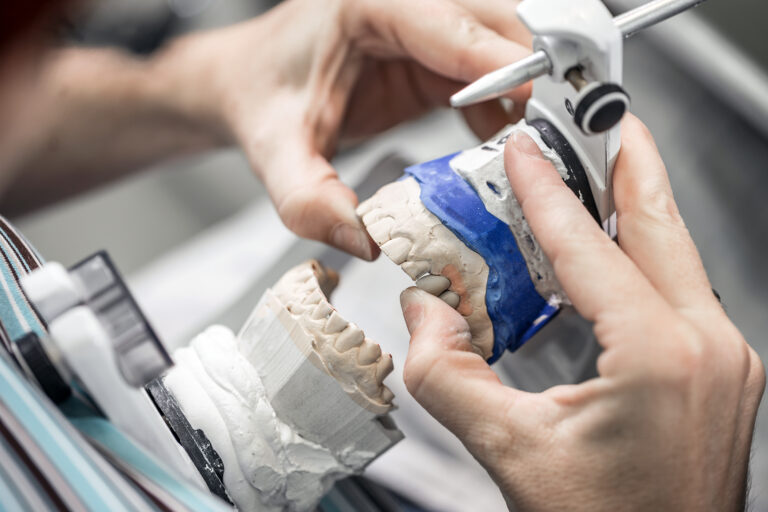
Dental technician working with tooth dentures at prosthesis laboratory

Prosthodontist vs. Periodontist: Which Specialist Do You Need?

You’ve just left your dentist’s office with a referral in hand, and now you’re staring at two unfamiliar words: prosthodontist and periodontist. They sound similar, they both deal with teeth, and yet they serve two entirely different purposes in your oral health care. If you’ve been wondering which one is right for your situation, you’re not alone.

At Ocean Breeze Implant & Esthetic Dentistry in Delray Beach, our team understands how confusing dental specialties can be. Our practice is led by Dr. Nicholas Goetz, a maxillofacial prosthodontist and one of approximately 150 such professionals in the entire country. Whether your concern involves restoring missing teeth, rebuilding your smile after years of wear, or addressing a complex oral health condition, knowing who does what will help you feel confident walking through our door.

What Does a Maxillofacial Prosthodontist Do?

If your dental needs involve restoring or replacing teeth, a maxillofacial prosthodontist is the specialist you want in your corner. Our prosthodontic treatments focus on returning full function and a natural appearance to smiles affected by missing teeth, damaged structures, or complex bite issues. Prosthodontics is one of nine dental specialties recognized by the American Dental Association, and it encompasses everything from dental implants and crowns to full-mouth rehabilitation and TMJ-related concerns.

According to the American College of Prosthodontists, prosthodontists complete three or more additional years of post-doctoral training beyond dental school in an accredited residency program. That training focuses specifically on the diagnosis, treatment planning, rehabilitation, and maintenance of patients with missing or deficient teeth and oral structures. The specialty also carries a strong emphasis on dental biomaterials and laboratory procedures, meaning the physical restorations are designed with precision from start to finish.

This depth of preparation is what sets a maxillofacial prosthodontist apart from a general dentist performing similar procedures. It is also worth noting that a maxillofacial prosthodontist often serves as the central coordinator in complex cases, developing an overarching treatment plan and ensuring every phase connects seamlessly from start to finish. This coordination role is one reason patients with the most involved dental needs are frequently referred to this specialist first.

Common Conditions Treated by a Maxillofacial Prosthodontist

Patients are typically referred to a maxillofacial prosthodontist for several key needs. This list is meant to illustrate the scope of care rather than serve as a complete picture of everything involved:

  • Missing teeth: Patients seeking implants, bridges, or dentures to restore function and appearance.
  • Damaged or worn teeth: Teeth needing crowns or full-mouth rehabilitation due to injury, grinding, or decay.
  • Complex bite issues: Temporomandibular joint (TMJ) disorders and bite dysfunction affecting daily comfort.
  • Esthetic concerns: Overall appearance and symmetry of the smile requiring coordinated restorative care.
  • Post-cancer reconstruction: Oral rehabilitation following cancer treatment affecting the teeth or facial structures.

A great way to understand the scope is to think of it this way: where a periodontist focuses on the foundation of the tooth, a maxillofacial prosthodontist focuses on what is built on top of it.

What Does a Periodontist Do?

A periodontist focuses on the health of the tissues that support your teeth, namely the gums, the periodontal ligament, and the underlying bone. Where a maxillofacial prosthodontist restores and replaces, a periodontist diagnoses, treats, and maintains. If you’ve been told you have gum disease, are experiencing gum recession, or need tissue grafting before an implant can be placed, a periodontist is the specialist guiding that phase of your care.

Our periodontal treatments address the supporting structures of the teeth, and this work is often foundational. Prosthodontic restoration cannot succeed without a healthy base to build upon. Periodontists also receive three or more years of additional post-doctoral training after dental school, with their scope of practice centered on preventing, diagnosing, and treating conditions that affect the gums and surrounding bone.

The field includes a significant surgical component, as periodontists are trained to perform procedures that reshape, graft, or regenerate damaged tissue and bone. One thing many patients don’t realize is how closely gum health is tied to overall health. Research has continued to strengthen the connection between periodontal disease and systemic conditions including cardiovascular disease and diabetes, which means keeping your gums healthy is about far more than your smile.

Patients are referred to a periodontist when concerns like gum disease, bone loss around existing teeth, gum recession, crown lengthening, or deep cleaning treatments such as scaling and root planing arise. When gum disease progresses without treatment, the damage to bone and tissue can compromise your ability to receive restorative treatment later. Addressing periodontal concerns early creates a healthier environment for everything that follows.

When You Might Need Both

Many patients with complex dental needs require the care of both a periodontist and a maxillofacial prosthodontist at different stages of their treatment. A periodontist may treat active gum disease and prepare the tissue and bone before an implant is placed. Once the environment is stable and healthy, a maxillofacial prosthodontist takes over to design and place the final restoration.

These two specialties are not competing with each other. They are complementary, and the best outcomes often come when both are involved at the right time. This kind of coordinated care is common in cases involving dental implants in Boca Raton and surrounding areas. If a tooth has been lost due to long-standing gum disease, the process of replacing it often involves treating the underlying tissue damage before any restorative work begins. Our team at Ocean Breeze Implant & Esthetic Dentistry works collaboratively with other specialists when your care calls for it, so you are always receiving the right treatment at the right time.

Additionally, some cases involving oral surgery may overlap with both specialties, particularly when bone grafting is needed to support an implant. Understanding how these disciplines work together, rather than in isolation, gives you a fuller picture of your own care and helps set realistic expectations for the timeline of your treatment.

How to Know Which One You Need First

Figuring out where to start can feel overwhelming, especially if your dental situation has been building for a while. The most straightforward way to approach it is to focus on your most pressing concern right now. If you are noticing symptoms related to your gums, such as bleeding when you brush, persistent bad breath, sensitivity along the gumline, or visible recession, a periodontist should be your first call.

If your primary concern is a missing tooth, a failing restoration, or a bite that no longer functions comfortably, a maxillofacial prosthodontist is the right starting point. In many cases, your general dentist will already have a recommendation ready, having reviewed your full dental history and current X-rays. Their guidance is a reliable first step when you are unsure which direction to go.

It is also worth remembering that these are not permanent categories. A patient might start with periodontal treatment, transition to prosthodontic care, and then return for periodic periodontal maintenance once restorations are in place. Your dental health is ongoing, and the specialists involved in your care may shift as your needs evolve over time.

The Key Difference in Plain Terms

The simplest way to explain the difference between a prosthodontist vs. periodontist is this: periodontists treat the structures that hold your teeth in place, and maxillofacial prosthodontists restore or replace the teeth themselves. Both play essential roles in comprehensive oral health care, and neither can fully succeed without the other when conditions are complex.

If your primary concern is swollen or bleeding gums, bone loss, or the health of your gum tissue, a periodontist is where you start. If your primary concern is a missing tooth, a damaged crown, a worn smile, or full-mouth rehabilitation, a maxillofacial prosthodontist is the right fit. When both concerns exist at once, the order of treatment matters, and your care team will help map that out clearly.

Choose Ocean Breeze Implant & Esthetic Dentistry for the Care You Deserve

Dr. Nicholas Goetz brings a remarkable combination of training and dedication to every patient he sees. A Florida native, Dr. Goetz completed his undergraduate degree, dental school, master’s degree, and dental specialty residency all at the University of Florida before going on to serve as a civilian maxillofacial prosthodontist for the US Army and the VA Medical Hospital. He is among a select group of approximately 150 maxillofacial prosthodontists practicing in the United States today. To learn more about his background, you can meet Dr. Goetz and see what sets his approach apart.

Our Delray Beach practice serves patients throughout South Florida who are looking for specialty-level care delivered with warmth and precision. We know dental decisions can feel daunting, and our goal is to make every step of the process feel clear, supported, and manageable. If you are ready to move forward, we invite you to reach out to our team and schedule a consultation. Whether you know exactly what you need or you are still figuring it out, we are here to help you find the right path forward.

Doctor hold dental implant, artificial tooth roots into jaw, root canal of dental treatment

Understanding Your Prosthodontic Treatment Timeline

Starting a prosthodontic treatment plan can feel like a big undertaking, especially when you’re not sure what to expect or how long the process will take. Whether you’re considering dental implants, full mouth reconstruction, or a new set of dentures, knowing the phases ahead helps you feel prepared and confident every step of the way. Prosthodontic care is not a one-size-fits-all process, and timelines can vary quite a bit depending on your unique oral health needs.

At Ocean Breeze Implant & Esthetic Dentistry Implant & Esthetic Dentistry in Delray Beach, Florida, we take a thorough, patient-centered approach to every treatment plan. Dr. Nicholas Goetz, among a select group of fewer than 150 maxillofacial prosthodontists in the United States, works closely with each patient to map out a clear, customized path from consultation to final restoration. Here is a general look at what that path typically involves.

The Initial Consultation and Diagnostic Phase

The first phase of any prosthodontic treatment is the comprehensive consultation. This is where everything begins, and it may be more involved than a standard dental checkup.

During your initial visit, we conduct a thorough review of your medical and dental history, along with a full clinical examination of your teeth, gums, jaw, and bite. Advanced imaging plays a central role at this stage. We use CBCT (cone beam computed tomography) scanning technology to evaluate bone density, bone volume, and the three-dimensional anatomy of your jaw. The diagnostic phase may take one or two appointments and can include digital impressions, photographs, and bite analysis to reduce the likelihood of complications down the line.

Preparatory Treatments

Once your diagnostic records are complete, we put together a personalized treatment plan. For some patients, care can move relatively quickly into the restorative phase. For others, preparatory work is needed first.

Common preparatory steps include tooth extractions, treatment of gum disease, or bone grafting for patients who have experienced bone loss. These preliminary treatments are not setbacks but rather investments in the long-term success of your restoration. A bone graft, for example, typically requires a healing period of three to six months before implant placement can proceed. We walk you through all of this during your planning appointment, so there won’t be any surprises. Patients considering full mouth reconstruction should expect this preparatory phase to be the most variable portion of the overall timeline.

The Restorative and Surgical Phase

This is the phase where your treatment plan comes to life. Depending on what you need, the restorative phase may involve implant placement, the fitting of crowns or bridges, the delivery of dentures or implant-supported dentures, or a combination of these services. Our prosthodontic treatments are designed to restore both the function and the appearance of your smile in a comprehensive way.

For patients receiving dental implants, this phase includes the surgical placement of the implant post into the jawbone, followed by a healing period called osseointegration, during which the bone fuses with the titanium implant. Research published by the National Institutes of Health notes that implant placement timing significantly affects healing outcomes, long-term stability, and esthetic results, underscoring why careful, individualized planning matters. 

Osseointegration generally takes three to six months, after which the final restoration, whether a crown, bridge, or prosthetic arch, is placed. Throughout this phase, we also provide provisional restorations so you are never without a functional, natural-looking smile.

What Affects Your Timeline?

No two treatment timelines are exactly alike. Several factors can influence how long your overall prosthodontic care takes, and it helps to understand them.

The factors most likely to affect your timeline include:

  • The number of teeth being replaced or restored
  • Whether bone grafting or gum treatment is needed prior to implant placement
  • How quickly your body heals during osseointegration
  • The complexity of your bite and occlusal needs

Your health history, oral hygiene habits, and follow-through with post-treatment care all play a role as well. We share these factors with you openly, allowing you to plan around your treatment and set realistic expectations.

Long-Term Maintenance and Follow-Up

Prosthodontic care does not end when your final restoration is placed. Long-term maintenance is a critical component for protecting your investment and keeping your smile healthy for years to come. We recommend regular follow-up appointments to monitor the condition of your restorations, your gum tissue, and your bite. Patients with implant-supported dentures and All-on-4 restorations benefit from consistent professional care to ensure the supporting structures remain healthy. At home, maintaining a strong oral hygiene routine supports the longevity of all prosthodontic work.

Begin Your Treatment Plan at Ocean Breeze Implant & Esthetic Dentistry Implant & Esthetic Dentistry

Prosthodontic treatment is a process, and having a team that communicates clearly and cares about your experience makes all the difference. At Ocean Breeze Implant & Esthetic Dentistry Implant & Esthetic Dentistry, Dr. Nicholas Goetz brings advanced maxillofacial prosthodontic training from the University of Florida, along with experience gained serving patients at the US Army and the VA Medical Hospital. Our team is committed to making sure you understand your treatment, feel at ease during every phase, and achieve results that last.

We also understand that the financial side of care matters. While we are not in-network with insurance companies, we file claims on your behalf and help you get the most out of your PPO plan. Flexible financing options are also available to help make your care accessible. When you are ready to take the first step toward a fully restored smile, we invite you to reach out to our team to schedule your consultation.

dentist consultation - patient visit at dental clinics office

When to See a General Dentist vs. a Maxillofacial Prosthodontist

You know you need dental care, but you’re not sure who to call. The dental world has a lot of specialists, and knowing who handles what can save you time, money, and a whole lot of confusion. The good news is that the answer is simpler than you think, and getting matched with the right provider from the start makes a real difference in your results, especially when you’re trying to decide between a general dentist and a maxillofacial prosthodontist.

At Ocean Breeze Implant & Esthetic Dentistry Implant & Esthetic Dentistry in Delray Beach, we offer both general dentistry and advanced prosthodontic treatments under one roof. Led by Dr. Nicholas Goetz, one of only about 150 maxillofacial prosthodontists practicing in the entire United States, our team is equipped to handle everything from routine checkups to the most complex oral rehabilitations imaginable.

What a General Dentist Does

A general dentist is your primary care provider for oral health. Think of this type of provider the way you think of your family doctor. They handle the everyday, preventive, and foundational aspects of keeping your mouth healthy. Dental checkups and exams, cleanings, fillings, and straightforward tooth extractions all fall squarely within their scope.

General dentists are the right choice for most people in most situations. If your teeth are generally intact and your concerns center on maintenance, minor decay, or common issues like a chipped tooth or requiring a nightguard, a general dentist is who you need. They build long-term relationships with patients and serve as the first line of defense against developing problems.

What a Maxillofacial Prosthodontist Does

A maxillofacial prosthodontist takes things to an entirely different level. According to the American Dental Association, maxillofacial prosthetics training equips the specialist with the skills to treat certain medically complex patients, including those who have required surgical resection of facial structures and need prostheses to replace them. This is a level of training that goes far beyond what any general dentist receives.

After completing dental school, a maxillofacial prosthodontist spends years in additional residency and fellowship programs focused exclusively on complex oral rehabilitation, missing teeth, full-mouth reconstruction, and craniofacial prosthetics. The cases they treat often involve cancer patients, trauma survivors, individuals with congenital conditions, and anyone who has experienced severe tooth and bone loss. These are not cases a general dentist is trained to manage.

How to Know Which Provider You Need

The line between these two providers is easier to identify than most patients expect. If you are dealing with any of the following, a general dentist is likely your starting point:

  • Routine cleanings: Preventive care and standard hygiene visits
  • Minor decay: Cavities, small fillings, and basic restorations
  • Common concerns: Teeth whitening, sealants, clear aligners, and simple extractions
  • General oral health: Oral cancer screenings and fluoride treatments as part of ongoing care

A maxillofacial prosthodontist is the right choice when the complexity of your case exceeds what general dentistry offers. If you are missing multiple teeth, need dental implants, are rebuilding your bite after trauma, or have a history of oral cancer treatment, you need the kind of specialist-level care that only this type of training provides.

When One Provider Can Offer Both

Not every dental practice draws a sharp line between general and specialty care. At Ocean Breeze Implant & Esthetic Dentistry, our approach bridges both worlds. We see patients who need a routine maxillofacial prosthodontist in Delray Beach and patients who simply want to establish care with a trusted general dental provider. In either case, having access to a maxillofacial prosthodontist means that if something unexpected comes up during your care, the expertise to handle it is already in the room.

This matters more than many patients realize. General dentists refer out complex cases all the time because it goes beyond their general practice training to address them. When your care provider has advanced specialty training from the start, you get a level of diagnosis and treatment planning that goes far deeper than the standard.

Choose Ocean Breeze Implant & Esthetic Dentistry Implant & Esthetic Dentistry

Dr. Nicholas Goetz completed his dental education and specialty residency at the University of Florida, followed by a Maxillofacial Prosthodontics Fellowship at UCLA. He then went on to serve as a civilian maxillofacial prosthodontist for the US Army and the VA Medical Hospital, building experience across some of the most complex dental cases in the country. That breadth of training and real-world clinical experience is what separates our care from what you will find at most practices.

Whether you are coming to us for your first cleaning or a full-mouth rehabilitation, we meet you where you are and build a plan around your actual needs. We file insurance claims on your behalf and work to help you maximize any PPO benefits you may have. To get started with a provider who can handle both routine care and the most complex cases in dentistry, contact our team today.

Medicine, dentistry and healthcare concept, male dentist showing

What Are the Patient Benefits of Having General and Specialty Care Under One Roof?

Most people grow up thinking about dental care in layers. You visit a general dentist for cleanings and checkups, and if something more complex comes up, you’re handed a referral and sent elsewhere to a specialist. However, it feels like navigating a relay race rather than receiving coordinated care. Between scheduling separate appointments, transferring records, and trying to keep track of what each provider said, even a straightforward treatment plan can start to feel overwhelming. This fragmented approach is the norm in many places, but it doesn’t have to be yours.

Ocean Breeze Implant & Esthetic Dentistry Implant & Esthetic Dentistry in Delray Beach, FL, is built around a different idea entirely: that patients deserve a seamless experience where general and prosthodontic treatments live under the same roof, guided by the same team. Dr. Nicholas Goetz, one of a select group of approximately 150 maxillofacial prosthodontists in the United States, leads a practice that bridges preventive care and advanced dental reconstruction without ever asking you to start over somewhere else.

One Provider, One Full Picture

When your general and specialty care happen at the same practice, your provider has access to the complete story of your oral health. There’s no gap between what your general dentist observed six months ago and what a specialist is now trying to understand. Every exam, every X-ray, and every conversation is part of a unified record that informs every decision made on your behalf.

Continuity Leads to Better Outcomes

This continuity matters more than it might seem. According to research published in the Delaware Journal of Public Health (2022), prosthodontics is one of twelve recognized dental specialties requiring advanced post-graduate training beyond general dental education, specifically addressing complex oral health needs that benefit most from expert coordinated care. When you see the same trusted team for both routine visits and complex procedures, patterns are noticed earlier, treatment decisions are made with full context, and follow-through is easier to maintain.

No Referrals, No Gaps

At many practices, a problem identified during a routine cleaning sends you outward into a network of strangers. Here, general dentistry and specialty services flow together naturally. If a cleaning reveals early signs of gum disease, you don’t need to find a new office. If an exam surfaces something that requires more advanced intervention, your team already knows your history, your preferences, and your goals. There’s no awkward introduction, no duplicated diagnostics, and no risk of details falling through the cracks between providers.

The Scope of What’s Possible

Having general and specialty care in one place dramatically expands what can be addressed for patients who need more than a routine visit. Complex cases, in particular, benefit tremendously from this approach.

Comprehensive Treatment Under Experienced Hands

Whether you’re dealing with tooth loss, bite dysfunction, gum concerns, or the desire for a dramatically different smile, encompassing care means treatment that’s planned from the start with the full picture in mind. A full mouth reconstruction, for example, often involves both restorative and general dentistry working in close coordination. When that coordination happens within the same practice, treatment timelines are shorter, communication is clearer, and outcomes tend to reflect a cohesive plan rather than a patchwork of separate efforts.

The following are just some of the areas where patients benefit most from having everything in one place:

  • Routine cleanings and exams that directly inform specialty treatment planning
  • Periodontal treatments coordinated alongside restorative and implant work
  • Advanced diagnostics, including CBCT scanning, used to guide procedures with precision
  • Restorations and reconstructions performed by a maxillofacial prosthodontist from start to finish

When your care is this connected, every step builds on the last rather than beginning from scratch.

The Value of Specialized Training in an Encompassing Setting

Dr. Goetz completed his undergraduate degree, dental school, master’s degree, and specialty residency all at the University of Florida. He later served as a civilian maxillofacial prosthodontist for the US Army and the VA Medical Hospital, building experience treating a wide range of complex dental needs across a diverse patient population. That background shapes the way care is delivered here, with a level of attention and clinical depth that goes beyond what most dental offices are equipped to offer.

Choose Ocean Breeze Implant & Esthetic Dentistry Implant & Esthetic Dentistry

The team at Ocean Breeze Implant & Esthetic Dentistry Implant & Esthetic Dentistry takes pride in offering patients the kind of care that actually makes daily life easier. Choose us because you won’t be sent to unfamiliar offices and will have a team that knows your full dental history. You’ll also have the confidence that comes from being treated by a practice built for both your immediate needs and your long-term oral health. 

If you’re ready to experience what it feels like to have all of your dental care handled by a trusted, encompassing team, we’d love to hear from you. Reach out today through our contact form to schedule your visit and take the first step toward care that’s truly coordinated from beginning to end.

675acb48ae7b2f6106222ff7 9E9A9705 min -Ocean Breeze

Transform Your

Smile,

Transform Your

Life
If you’re ready to reclaim your confidence, we’re here for you.
Get started by booking or calling today.

Se Habla Español · Falamos Português

Get In Touch

Request an Appointment

**Requested time is not final until you receive confirmation from our office. Please do not submit any Protected Health Information (PHI).

"*" indicates required fields

This field is for validation purposes and should be left unchanged.
Are you a New or Existing Patient?
AM/PM