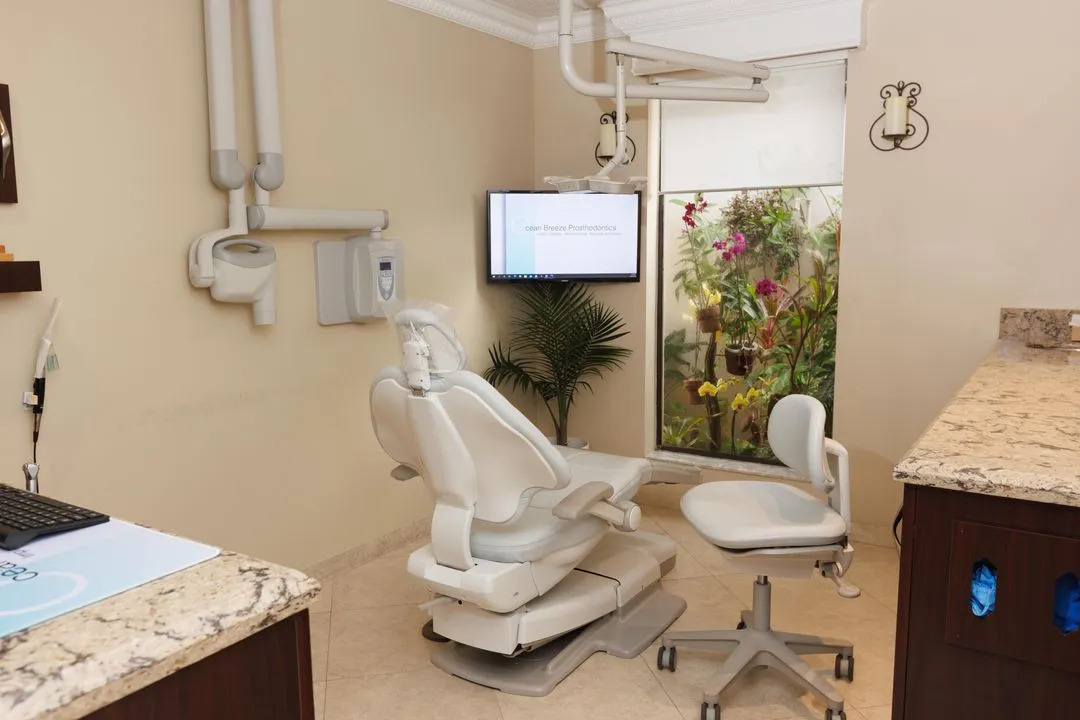
Overcoming dental fear starts with finding an office that treats your anxiety as a real, manageable part of your care rather than something to push through on your own. Most dental fear responds well to a combination of clear communication, a slower pace, and, when appropriate, sedation options that take the edge off a procedure. You do not need to love the dentist’s chair to get the care your teeth need. You just need a team willing to work at your pace.
At Ocean Breeze Implant & Esthetic Dentistry, we hear a version of the same story often: someone has tooth pain but keeps putting off the visit because the anxiety feels worse than the problem. Our general dentistry team builds every appointment around that reality, not around rushing you through it.
Why Dental Fear Happens
Dental fear rarely comes from nowhere. For many patients, it traces back to a difficult experience years earlier, a fear of pain, or simply the loss of control that comes with sitting in a chair while someone works in your mouth. Others feel anxious about the sounds and smells of a dental office long before any instrument touches a tooth.
None of these reactions are unusual, and they do not mean you are a difficult patient. They mean your visit needs a different approach than someone who walks in without a second thought. Telling your dentist and their team exactly what triggers your anxiety, whether it is the drill, the smell, or simply not knowing what comes next, gives us something concrete to work with.
Comfort-Focused Techniques We Use
Setting the Tone Before Treatment Starts
We take time to evaluate your condition and explain what is happening before we start, however small or complex the procedure may be. Our doctors see one patient at a time, so you are never rushed through an appointment to keep a schedule moving.
Relaxation Options Beyond the Chair
Beyond the clinical side, we offer deep relaxation options, aromatherapy, and calming teas and herbs for patients who prefer to stay away from medication when possible. From the music and atmosphere in our waiting room to a team that explains each step before it happens, the goal is a visit that does not feel like something to dread.
Sedation and Pain Management Options
For patients whose anxiety needs more than a calm environment, sedation is worth discussing at your consultation. According to the Cleveland Clinic, options range from nitrous oxide, which wears off within minutes of your appointment ending, to oral sedation taken before your visit for longer or more involved procedures. The right option depends on your level of anxiety, the procedure itself, and your overall health history.
We can walk through which of these options makes sense for your situation during your visit, rather than deciding in advance without knowing your specific concerns.
What to Expect at Your First Visit With Us
A lot of dental anxiety comes from not knowing what happens next. Before any treatment begins, we walk through what a first visit looks like at our office, from the initial conversation about your history and concerns to what a typical exam involves. Knowing the sequence in advance removes a layer of uncertainty that often makes anxiety worse.
If you would rather see the office before committing to an appointment, ask about visiting our facilities first. Meeting the team and seeing the space in a low-pressure setting helps many anxious patients feel more prepared for the actual visit.
Signs Dental Anxiety Might Be Affecting Your Oral Health
Dental fear does not just make appointments uncomfortable. Left unaddressed, it can start to affect your oral health in ways that are easy to miss until they become bigger problems. Watch for:
- Skipped checkups: Pushing off routine visits by months or years, even when nothing feels obviously wrong, often points to avoidance rather than a lack of time.
- Ignored pain: Tolerating tooth pain or sensitivity rather than calling, out of fear that the visit will be worse than the problem itself, tends to let small issues grow.
- Canceled appointments: Repeatedly rescheduling or canceling dental visits at the last minute is a common sign that anxiety, not scheduling conflicts, is the real obstacle.
If any of these sound familiar, it is worth naming the anxiety directly with your dental team rather than continuing to reschedule around it.
How Regular Visits Make Future Appointments Easier
Dental anxiety tends to feed on itself. The longer you go between visits, the more work there is to do at the next one, and the more intimidating that next visit can feel. Staying on a regular schedule, such as the routine checkups we recommend around the new year or any other consistent point in your calendar, keeps visits shorter and more predictable, which tends to make each one easier than the last.
Consistency also lets your dental team get to know your specific triggers over time, so each visit can be tailored a little more closely to what actually helps you.
Schedule a Visit at Ocean Breeze Without the Fear
Dr. Nicholas Goetz and our team see one patient at a time by design, which gives us the room to slow down for patients who need it. That approach, paired with sedation options when appropriate, means anxious patients are not an exception to how we practice. They are a large part of who we see every week.
If dental anxiety is keeping you from getting the care your teeth need, contact us to schedule a visit and let us know what would help you feel more comfortable.
Frequently Asked Questions About Dental Fear and Anxiety
Is it normal to feel anxious about going to the dentist?
Yes. Dental anxiety is common and can range from mild nervousness to a stronger fear that leads people to delay care for years. It often comes from a past experience, a fear of pain, or simply the feeling of losing control while someone works in your mouth. Telling your dental team about it is the first step toward a visit that accounts for it.
What sedation options are available for anxious patients?
Options generally range from nitrous oxide, which takes effect quickly and wears off shortly after your appointment, to oral sedation taken before a longer or more involved procedure. Which option makes sense depends on your level of anxiety, the treatment planned, and your health history, so this is best discussed directly with your dentist during a consultation.
Can I bring someone with me to my appointment if I feel anxious?
In most cases, yes. Having a friend or family member in the waiting room, or in some cases in the treatment room itself, can make a real difference for anxious patients. Let the front desk know when you schedule so the visit can be planned around having support with you.
How do I tell my dentist I have dental anxiety without feeling embarrassed?
Dental anxiety is one of the most common concerns dental teams hear, so there is no need to feel embarrassed bringing it up. A simple, direct statement, such as naming what specifically makes you nervous, gives your dentist the information needed to adjust pacing, explain steps in advance, or discuss sedation before treatment begins.
Will avoiding the dentist because of anxiety make my teeth worse?
Delaying care often allows small issues, such as early decay or gum inflammation, to progress into problems that need more extensive treatment. Regular visits tend to keep each appointment shorter and simpler, which can make future visits less intimidating rather than more, so addressing anxiety directly is usually easier in the long run than avoiding it.