A good candidate for dental implants generally has healthy gums, enough bone in the jaw to hold the implant securely, overall health that allows normal healing, and a commitment to keeping the implant clean once it is placed. None of these are absolute requirements. Many patients who fall short on one factor, such as bone density, become strong candidates once that issue is addressed first.
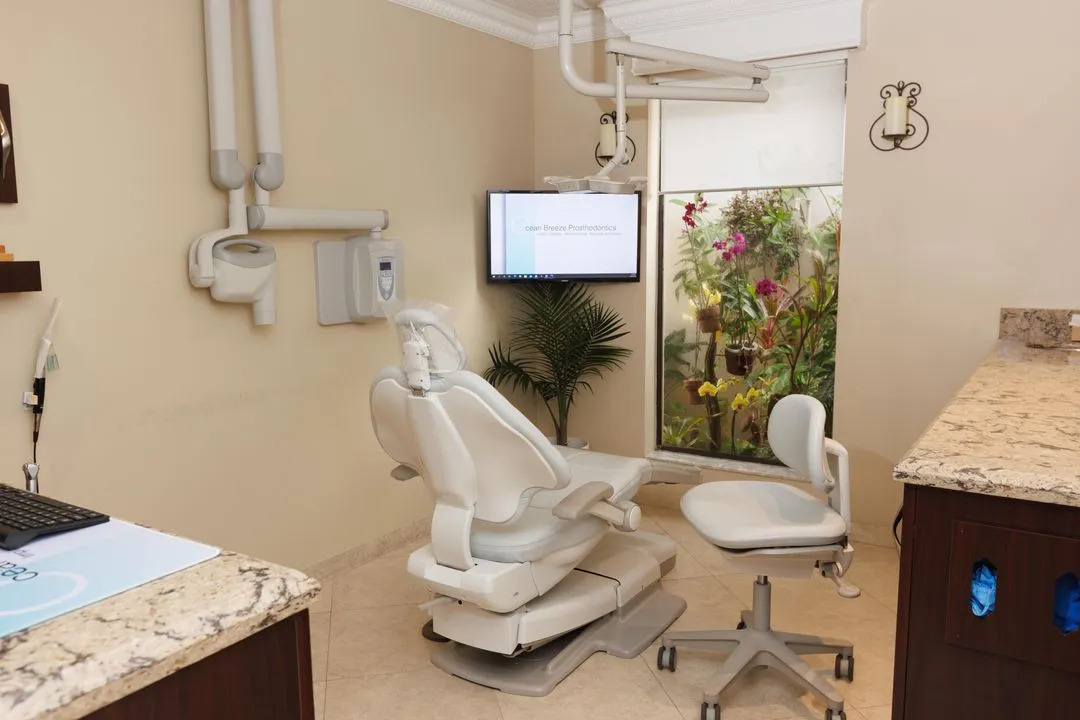
At Ocean Breeze Implant & Esthetic Dentistry, evaluating candidacy is one of the most common conversations we have with patients considering dental implants. Missing teeth affect more than appearance, and most patients want a clear, honest answer about whether implants make sense for their specific situation before committing to treatment.
What Makes Someone a Good Candidate for Dental Implants?
Dental implants work well for most people with missing teeth, but a few factors typically point to a smoother, more predictable case. Here is what we look at during a candidacy evaluation:
- Healthy gums: Patients with gum tissue free of active periodontal disease generally heal more predictably around an implant.
- Adequate bone density: Your jawbone needs enough volume and density to hold the implant securely. We use CBCT scanning to evaluate your bone and plan the case digitally before any surgery happens.
- Manageable overall health: Conditions such as uncontrolled diabetes or certain autoimmune disorders can affect how well your body heals after implant surgery.
- Commitment to oral hygiene: Daily brushing, flossing, and regular checkups matter as much for an implant as they do for a natural tooth.
- Non-smoker status: Smoking is one of the more significant factors linked to implant complications and slower healing.
Falling short on one of these does not automatically rule out implants. Bone grafting, better-managed medical conditions, and improved hygiene habits can turn a borderline case into a good one over time.
Factors That Might Affect Your Candidacy
A few specific factors deserve a closer look during your evaluation, since they can shape both your timeline and the type of implant that makes sense for you.
Age
We generally wait until jaw growth is complete, which is typically by late adolescence, before placing an implant. On the other end of the spectrum, there is no upper age limit. Patients in their seventies, eighties, and beyond regularly receive implants successfully, as long as their overall health supports the procedure.
Medical Conditions and Medications
Certain medical conditions and medications can affect healing after implant surgery, including uncontrolled diabetes, some autoimmune disorders, and medications that suppress the immune system. Smoking is one of the most consistently documented risk factors for implant complications. A 2024 systematic review found that smokers face a meaningfully higher rate of implant failure than nonsmokers, which is why we ask about smoking history in detail during your consultation. Bring a complete medical history to that visit so we can assess your specific risk factors accurately.
Bone Density
Bone loss in the jaw is common after tooth loss, and it does not automatically disqualify you from implants. If a CBCT scan shows insufficient bone, we can typically recommend bone grafting to rebuild a solid foundation before proceeding.
What Happens if You Need Bone Grafting First
Bone grafting adds a step to the timeline, but it does not mean starting over. The procedure rebuilds volume and density in the area where the implant will go, using graft material suited to the size of the defect. Smaller grafts can sometimes be placed at the same time as the implant itself, while larger grafts typically need several months to integrate before the implant can be placed on top.
We walk through the expected timeline for your specific case during your evaluation, since grafting needs vary significantly from one patient to the next depending on how much bone has been lost and where.
How Long Recovery Typically Takes
Recovery after implant placement varies by patient and by how many implants are involved. Most patients return to normal activities within a few days, with the implant site continuing to heal and integrate with the bone over the following months before a permanent crown or restoration is attached. Following your dentist’s instructions on diet, oral hygiene, and any temporary restrictions during that healing period plays a real role in how smoothly the process goes.
Alternative Options if You Are Not a Candidate Right Now
If dental implants are not the right fit for you at this time, several other tooth replacement options remain worth considering. Traditional dental bridges can replace a missing tooth or a row of missing teeth by anchoring to neighboring natural teeth, and while they do not prevent the bone loss that implants address, they provide a functional and aesthetic solution for many patients. Removable partial dentures replace multiple missing teeth at a lower cost than implants, and modern materials make them considerably more comfortable and natural-looking than older designs. For patients missing all their teeth in an arch, full dentures remain a viable, custom-fitted option that balances function and appearance.
Whatever your starting point, we work with you to find a tooth replacement solution suited to your specific situation, not a one-size-fits-all recommendation.
Schedule a Candidacy Evaluation at Ocean Breeze
Our team, led by Dr. Nicholas Goetz, includes one of a small number of maxillofacial prosthodontists in the United States, which means complex implant cases that might otherwise require a referral elsewhere can typically be handled in-house. That combination of general dentistry and specialty-level prosthodontic training gives us a fuller picture of your case from the first consultation.
Whether you need a single tooth replaced or a more involved restoration, an honest candidacy evaluation is the right first step. Contact us through our contact form to schedule your consultation.
Frequently Asked Questions About Dental Implant Candidacy
What disqualifies someone from getting dental implants?
Very few conditions permanently rule out implants. Active gum disease, uncontrolled diabetes, insufficient bone density, and heavy smoking are the factors most likely to complicate a case, but many of these can be addressed first through treatment, bone grafting, or lifestyle changes. A candidacy evaluation is the best way to know where you stand and what, if anything, needs to happen before treatment.
Can I get dental implants if I have bone loss?
In many cases, yes. Bone loss after tooth loss is common, and a CBCT scan can show exactly how much bone remains in the area. When there is not enough to support an implant on its own, bone grafting can rebuild the site first. It adds time to the overall process, but it does not usually rule out implants entirely.
Is there an age limit for getting dental implants?
There is no upper age limit. Patients in their seventies and eighties regularly receive implants successfully, as long as their overall health supports normal healing. The main age-related consideration is on the younger end, since we generally wait until jaw growth is complete before placing an implant.
Does smoking really affect dental implant success?
Yes. Research consistently links smoking to a higher rate of implant complications and slower healing after surgery, since smoking affects blood flow to the gum and bone tissue that needs to heal around the implant. Quitting or reducing smoking before and after treatment can meaningfully improve your odds of a smooth outcome.
What if I am not a good candidate for dental implants?
If implants are not the right fit right now, options such as dental bridges, removable partial dentures, or full dentures remain available depending on how many teeth are missing. Some patients who are not candidates today become candidates later, once a medical condition is better managed or bone grafting has had time to heal.