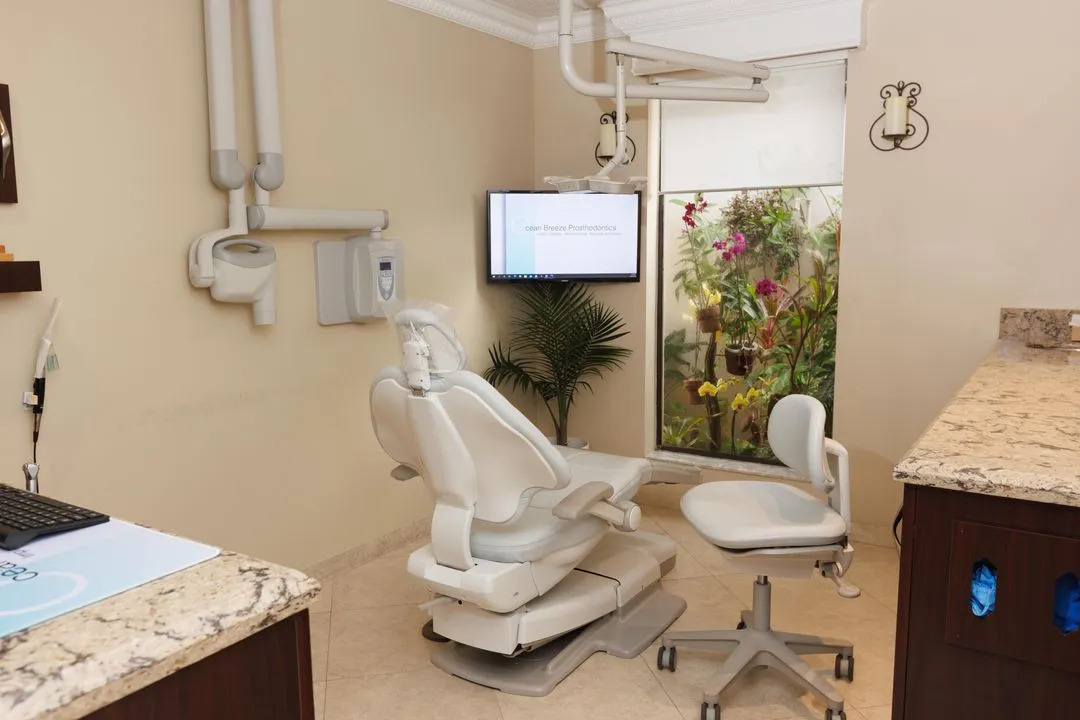
Choosing the right dentist in Delray Beach means a lot more than finding someone to fix a cavity. It’s a decision that affects your long-term health, your comfort, and the kind of care you receive for years to come. Among many other things, you need to have an idea of how dental insurance plans work — specifically, what are the differences between an in-network and out-of-network dentist, and how do you know which is best for you? Contact our office today to find out if we’re the right fit for you and schedule an appointment!
There are many types of insurance plans available. Knowing what PPO, HMO, or Fee-For-Service means will help you make a well-informed decision when choosing your in-network or out-of-network dentist. Remember that, according to the type of insurance you have, your coverage and benefits will vary in different ways.
WHAT IS THE MAIN DIFFERENCE BETWEEN PPO AND HMO PLANS?

HMO plans are Health Maintenance Organization plans. They offer health care coverage for some monthly or yearly fees. HMOs provide coverage that is limited to those providers that work in-network.
This means that with an HMO plan, you have a designated provider who has established a contract with the insurance company to provide health care services at some pre-established rates. This way, the insurance company can set lower premiums for affordable health care. However, with an HMO plan, you will only be able to see in-network dentists.
PPO or Preferred Provider Organization plans also offer health coverage to insurers at some reduced rates, too. But with a PPO plan, your choices open up. Why? A PPO plan allows you to choose any provider working in-network, while you also have the chance of choosing an out-of-network dentist if you wish.
By choosing an in-network dentist, you will receive oral care at some pre-established rates, but you’re limited to those on the list. By choosing an out-of-network practitioner, a customary fee schedule will be established. You will pay for the services you get and then file the claim to be reimbursed.
WHAT ARE IN-NETWORK DENTISTS?

An in-network and an out-of-network dentist is not the same. Dentists who work in-network are also known as participating providers. They are contracted within your insurance company because they have agreed to provide dental services at some negotiated rates.
This means that if you choose an in-network dentist to take care of your oral needs, you will typically be paying less at the time of service. By choosing in-network providers you can get 100% coverage from your insurance for preventative care, such as cleanings and regular checkups.
Some plans offer 50% coverage for more complex restorative treatments such as crowns or bridges. Each dental plan is different, but in general, the benefits of choosing providers that work in-network with your insurance are:
- You pay less out-of-pocket because fees are pre-established with the insurance company.
- You get more coverage and more benefits at the time of service
- Prices are typically lower at in-network offices.
The downsides:
- Options for choosing your own dentists are much more limited.
- Not every dentist on the network list might suit your oral needs.
- You may still have to spend out-of-pocket money because, depending on the plan you have, a copay or deductible may be required.
In Network vs Out of Network: What You Need to Know
Understanding the differences between in network vs out of network providers is key to making the best decision for your oral health. In-network dentists have agreed to accept reduced fees from insurance companies in exchange for being listed as preferred providers. Out-of-network dentists, on the other hand, operate independently and are not bound by these agreements. This independence often allows out-of-network providers to spend more time with patients, use higher-quality materials, and offer a wider range of treatment options. When weighing in network vs out of network, consider not only your budget but also the level of care and personalized attention you want to receive.
What Does Out of Network Mean?
So, what does out-of-network mean exactly? When a dentist is considered “out of network,” it simply means they have not signed a contract with a specific insurance company to provide services at pre-negotiated rates. Out-of-network dentists set their own fees based on the quality of care, materials, and technology they provide. While this may mean higher upfront costs, it also means you have the freedom to choose a provider based on their expertise, reputation, and approach to care—not just because they appear on an insurance company’s list.
HOW DO OUT-OF-NETWORK DENTISTS WORK?

Many highly trained dentists decide to work out-of-network. In other words, these dentists are not contracted with any insurance company and they don’t have pre-established rates. The main benefit of choosing an out-of-network dentist is you are free to choose the one that best suits your needs.
With a PPO plan, your coverage for different dental treatments can range from 100 to 50 or 40%, depending on the type of plan you have. Before scheduling your appointment, ask about insurance coverage, and check for different payment plans and options.
So which are the benefits of choosing an out-of-network dentist?
- For cosmetic or complex dental treatments it is better to choose a dentist that will suit your needs and who has expertise in the field. And this may mean you need to see an out-of-network provider.
- You avoid running the risk of getting low-quality dental treatments just because you have to choose a dentist from the list.
- You can still use your insurance plan to get your money reimbursed directly to your home.
The downsides:
- Out-of-network providers are not subject to any fixed price so fees may be higher.
- You will spend more out of pocket because you (usually) must pay at the time of service.
When evaluating out-of-network providers, it’s worth looking beyond whether a dentist simply accepts your insurance. Consider how long they have been in practice, the types of dental labs and materials they work with, and whether their clinical philosophy matches your expectations for care. An out-of-network office has the freedom to source premium materials and take the time a case truly requires — rather than conforming to cost limitations set by a third-party contract.
Why So Many Patients Choose Out-of-Network Care
For many people, choosing a dentist isn’t really about a list. It’s about trust. When a provider isn’t constrained by network contracts, you’re free to select someone based on word-of-mouth recommendations, online reviews, and your own sense of who you’d feel comfortable with in the chair. That matters — especially for complex or long-term dental care.
The freedom to choose matters more than you might think.
In-network directories can change without notice. A dentist you’ve relied on for years may drop out of your plan, or the plan itself may shift which providers are covered. By contrast, patients who choose out-of-network care often do so because they found a provider they trust and want to keep that relationship regardless of what changes on the insurance side.
A whole-health approach to dentistry.
At Ocean Breeze Prosthodontics, we take a broader view of dental health — one that considers how oral health connects to your overall well-being. This means offering metal-free, biocompatible treatment options where appropriate, minimizing unnecessary exposure to certain materials, and paying attention to how your bite, jaw function, and oral structures relate to your body as a whole. This kind of thoughtful, individualized approach is difficult to deliver inside the time and material constraints that in-network agreements often impose.
Quality of materials and clinical expertise.
Out-of-network dentists are not bound to the material or lab cost thresholds embedded in insurance contracts. This means they can select dental labs based on quality rather than cost — and choose restoration materials based on what’s best for the patient’s long-term outcome. When evaluating any out-of-network provider, pay attention to their credentials, years of experience, the continuing education they pursue, and the quality of the labs they work with. These details reflect the level of care you’ll actually receive.
DOES FEE-FOR-SERVICE MEAN NO INSURANCE ACCEPTED?
Both the in-network and out-of-network dentist can work with insurance. As mentioned before, out-of-network does not mean you can’t use your insurance. It doesn’t mean you won’t get any benefits from your plan either. In fact, most out-of-network dental offices do accept insurance.
Choosing an out-of-network practitioner means you will have to pay for the services at the time of treatment. This is what we call a “fee-for-service office”. Most fee-for-service offices work insurance, but you will typically pay for the services at the time of treatment. Then the dental staff will do everything to help file the claim for you.
Remember that your coverage will vary according to what your insurance plan establishes for out-of-network services. And because out-of-network providers are not contracted with any insurance company, fees will not be pre-negotiated with your company.
THE BOTTOMLINE…
There’s one more thing worth considering: how you feel when you walk into a dental office. A sense of ease and comfort — feeling heard, unhurried, and genuinely cared for — makes a real difference in whether patients follow through with treatment and maintain their dental health over time. The right dental home shouldn’t just be the most convenient or the cheapest option on a list. It should be a place where you want to come back.

Hopefully you’ll probably find this information useful when making a decision when it comes to your oral health care. Ask your insurance company for a list of in-network providers, but remember that with a PPO plan you can choose an out-of-network dentist too. Try to verify the dental office’s status before setting up your appointment. You should try to choose a dentist that suits your needs and still enjoy the benefits of your insurance plan.
So which is best: in-network or out-of-network? That’s a question you will solve by balancing your oral needs, your budget and the insurance benefits established by your insurance company.
If you want to get more information about the difference in-network and out-of-network providers, feel free to email or call Ocean Breeze at
Email: contact@oceanbreezeprosthodontics.com
Phone: (561) 2796999