
Root canals have an unfair reputation. The procedure doesn’t cause pain — it relieves it. Most patients are surprised to find that root canal treatment feels no worse than getting a filling. The discomfort associated with root canals comes from the infection that made treatment necessary in the first place, not the treatment itself.
When infection has reached the pulp — the soft tissue inside the tooth containing nerves and blood vessels — root canal treatment is the only way to save the tooth. Without it, the infection spreads, causes increasing pain, and eventually makes extraction unavoidable. Root canal treatment in Boynton Beach at Ocean Breeze Prosthodontics removes the infected tissue, seals the canal, and sets the tooth up for a custom porcelain crown placed by Dr. Nicholas Goetz — a fellowship-trained maxillofacial prosthodontist and one of approximately 150 in the United States.

The stigma around root canals comes from a time when techniques and anesthesia were far less refined than they are today. Modern root canal treatment is predictable, comfortable, and in most cases completed in one to two visits. What patients typically feel during treatment is pressure — not pain — because the tooth and surrounding tissue are fully anesthetized before any work begins.
More importantly, a root canal saves a tooth that would otherwise require extraction. And saving a natural tooth is almost always the better long-term choice. Natural teeth provide superior biting function, maintain jawbone density, and avoid the additional cost and treatment timeline of implant placement. When Dr. Goetz recommends root canal therapy, it is because the tooth can be saved — and saving it makes sense for your long-term oral health.
Root canal treatment at Ocean Breeze Prosthodontics is end-to-end — from diagnosis through final crown restoration — all in one practice with one provider who understands both the endodontic and prosthodontic components of the case.
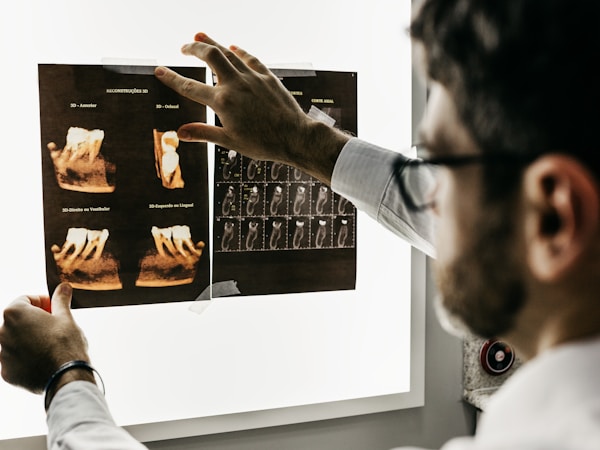
Tooth pain doesn’t always mean you need a root canal, but certain symptoms strongly suggest the pulp has been compromised. If you are experiencing any of the following, call our Boynton Beach office to schedule an evaluation.
Sharp or throbbing pain when you bite down or touch the tooth typically signals that the pulp has become infected or inflamed to the point of active inflammation. This level of sensitivity often means the infection is progressing and prompt evaluation is needed — the longer it goes untreated, the more likely the infection is to spread to surrounding bone and tissue.
Normal teeth are briefly sensitive to very hot or cold stimuli. When sensitivity lingers for more than a few seconds after the hot or cold source is removed, it typically indicates the pulp is inflamed or infected. This lingering sensitivity — particularly to heat — is one of the most reliable clinical signs that root canal treatment is necessary.
Visible swelling in the jaw or face, a persistent pimple-like bump on the gum near the affected tooth (called a dental fistula), or a tooth that has visibly darkened over time all point toward pulp death or active abscess. These signs often indicate the infection has spread beyond the tooth itself and should be evaluated urgently.
Some teeth requiring root canal therapy cause no pain at all. The infection is discovered during a routine exam when digital X-rays reveal a dark spot at the root tip — a periapical abscess that has been quietly developing without triggering pain symptoms. This is one of the strongest arguments for keeping up with regular dental checkups: catching an infected tooth early means simpler treatment, a better prognosis, and a lower risk of complications.

Root canal treatment at Ocean Breeze Prosthodontics is performed by Dr. Nicholas Goetz, who holds a DMD and MS from the University of Florida and completed both a Prosthodontic Residency at UF and a Maxillofacial Prosthodontics Fellowship at UCLA. He then served as a civilian maxillofacial prosthodontist for the U.S. Army and the VA Medical Hospital, where treating complex, compromised dentitions — including teeth with unusual anatomy, significant structural damage, and previous failed treatment — was routine clinical work. He is one of approximately 150 maxillofacial prosthodontists in the United States. Unlike practices that refer root canals out to an endodontist, Dr. Goetz performs the entire treatment in-house — including the crown restoration that follows — so treatment is coordinated end to end at one practice.
Local anesthesia is applied to completely numb the tooth and surrounding tissue. A dental dam isolates the tooth, keeping the area clean and dry throughout the procedure. Most patients are surprised at how comfortable this stage is — you will feel pressure, but not pain. Dr. Goetz takes time to confirm the area is fully anesthetized before beginning any work.
The infected pulp is removed from the root canals using small instruments designed to clean and shape each canal precisely. The canals are rinsed with antimicrobial solution to eliminate remaining bacteria. The number of canals varies by tooth — molars typically have three or four, while front teeth often have just one — which affects the complexity and time required for this step.
The cleaned and shaped canals are filled with a biocompatible material called gutta-percha and sealed to prevent reinfection. A temporary restoration is placed over the tooth to protect it while your permanent crown is being fabricated. Most patients leave this appointment in significantly less pain than when they arrived.
Once the tooth has settled — typically 1 to 2 weeks after the root canal — a custom porcelain crown is prepared and placed to protect the tooth from fracture and restore full function. Dr. Goetz designs the crown to match the surrounding teeth in color, shape, and bite contact. Because the root canal and crown are both handled at Ocean Breeze, the restoration is coordinated with the endodontic work from the start — not treated as a separate afterthought at a different practice.
Root canal treatment followed by a crown is a significant restorative investment, and Ocean Breeze Prosthodontics offers flexible financing through CareCredit, Cherry, and Alpheon to make it manageable. While we are not in-network with insurance companies, we file claims on your behalf and help you maximize any reimbursement your PPO allows. Most plans offer partial coverage for root canal therapy and crowns when they are performed for functional reasons.

Browse real results from restorative and root canal cases at Ocean Breeze Prosthodontics in Boynton Beach.

No — modern root canal treatment is not painful. Local anesthesia completely numbs the tooth and surrounding tissue before any work begins. What patients feel during treatment is pressure, not pain. Any mild soreness in the days following the procedure typically resolves quickly and is easily managed with over-the-counter pain relief. Most patients are surprised at how straightforward the experience actually is.
Most root canals are completed in one to two appointments. Simple cases with straightforward root anatomy are often finished in a single visit. Complex cases — such as teeth with multiple canals, unusual anatomy, or significant infection requiring additional cleaning time — may require a second appointment. Dr. Goetz provides a realistic timeline at your evaluation.
Without treatment, the infection will continue to spread. What starts as a localized abscess can extend into surrounding bone, neighboring teeth, and soft tissue. The tooth will eventually become non-restorable and require extraction — which then creates its own timeline and cost for replacement with an implant or bridge. In some cases, untreated dental infections spread to the jaw, neck, or beyond, becoming a serious medical emergency. Getting treatment early avoids all of this.
In most cases, yes. A root canal-treated tooth has had its pulp removed, leaving the remaining structure more brittle and vulnerable to fracture under normal chewing forces. A crown encases the entire visible portion of the tooth, protecting it from cracking and restoring full function. Back teeth that bear significant chewing load almost always need a crown after a root canal. Front teeth with minimal structural damage may occasionally be restored with a different approach, but Dr. Goetz evaluates each case individually.
Coverage varies by plan. Most PPO plans offer partial coverage for root canal therapy and crown placement when performed for functional reasons. While we are not in-network with insurance companies, we file claims on your behalf and help you maximize any reimbursement your plan allows. Our team reviews your benefits before treatment begins so you understand your costs upfront with no surprises.
A tooth that can be saved should be saved — and root canal treatment at Ocean Breeze Prosthodontics gives that tooth the best possible chance. Dr. Nicholas Goetz, a fellowship-trained maxillofacial prosthodontist and one of approximately 150 in the United States, performs root canal therapy and the crown restoration that follows all in one practice. No referrals, no handoffs, no coordination gaps between your endodontic and restorative care.
If you are in pain or have been told you may need a root canal, don’t wait. Schedule your evaluation at Ocean Breeze Prosthodontics in Boynton Beach today by completing our contact form or calling our office at (561) 265-1998.
**Requested time is not final until you receive confirmation from our office. Please do not submit any Protected Health Information (PHI).
"*" indicates required fields